Rapid CNC Production for Medical Equipment Parts and Prototyping
Rapid CNC Production for Medical Equipment Parts and Prototyping
The medical industry demands absolute precision, making CNC medical equipment and CNC parts production essential for modern healthcare solutions. Combined with rapid prototyping CNC capabilities, manufacturers can now develop life-saving devices faster than ever.

What is CNC machining?
Computer numerical control (CNC) machining is a production technology that uses computer-controlled machines to precisely cut, shape, and form parts. It can create complex geometric shapes in materials such as metal (such as aluminum, steel, and titanium), plastic, or wood.
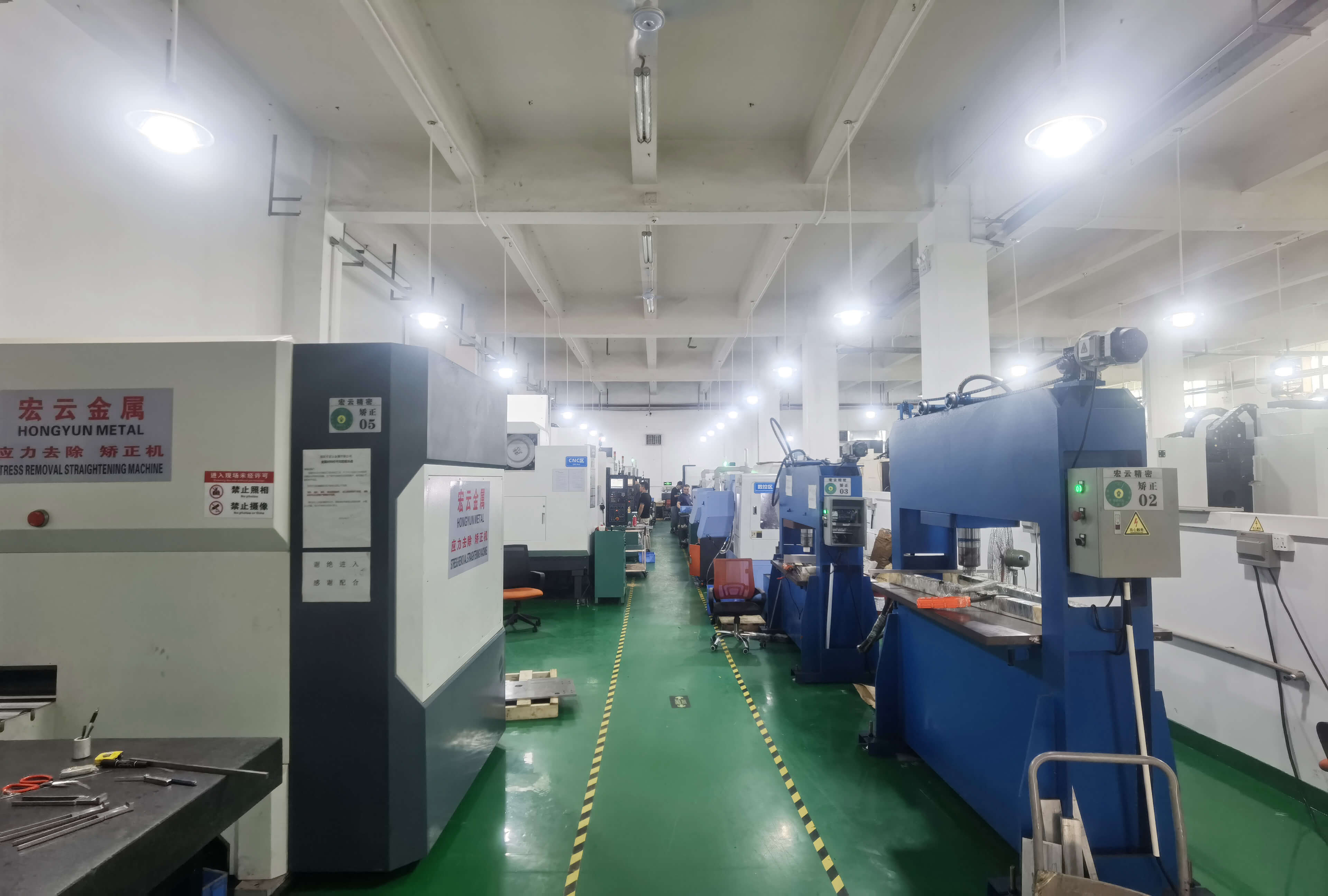
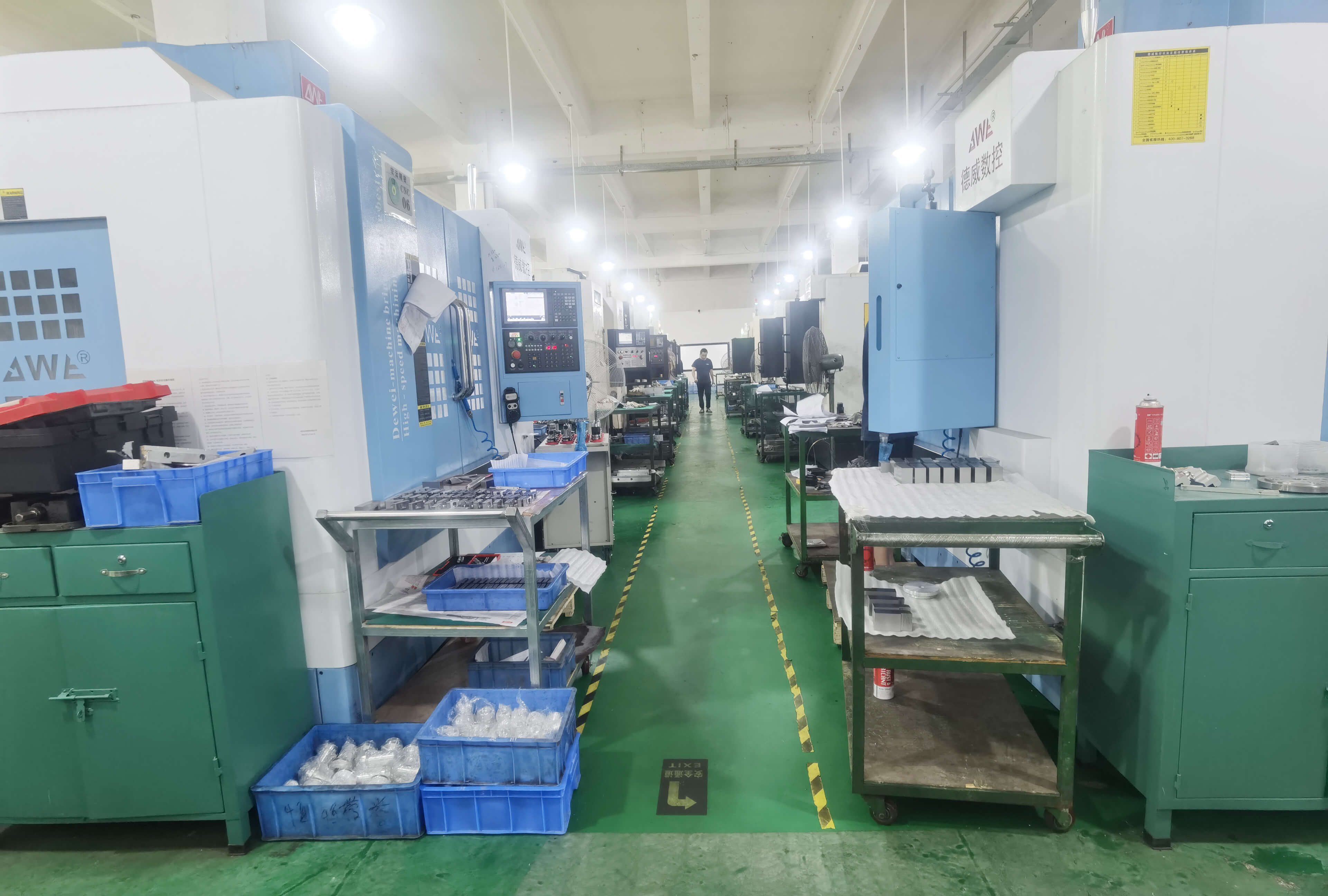
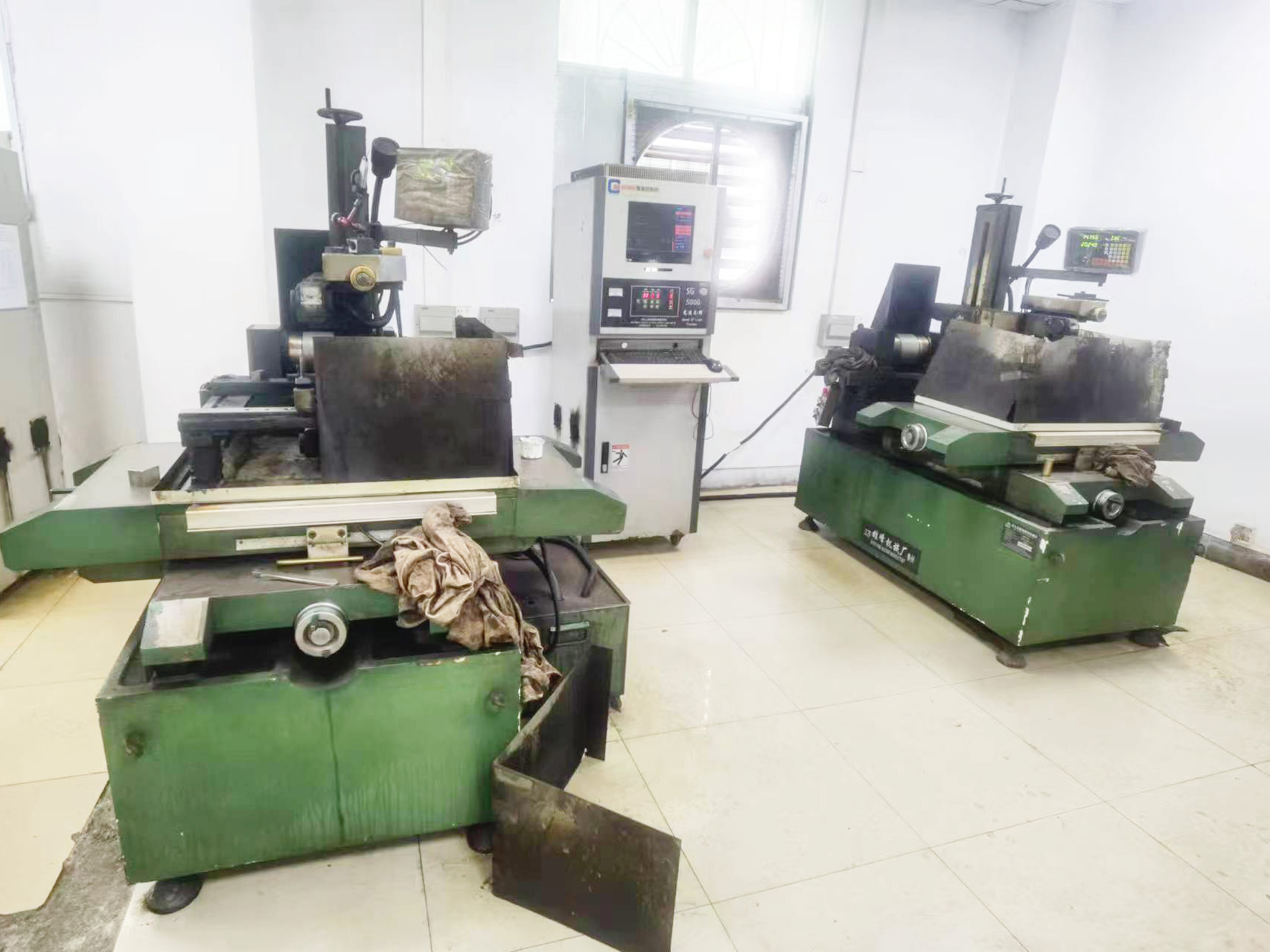
Processing | CNC Turning, CNC Milling, Laser Cutting, Bending, Spinning, Wire Cutting, Stamping, Electric Discharge Machining (EDM), Injection Molding | |||
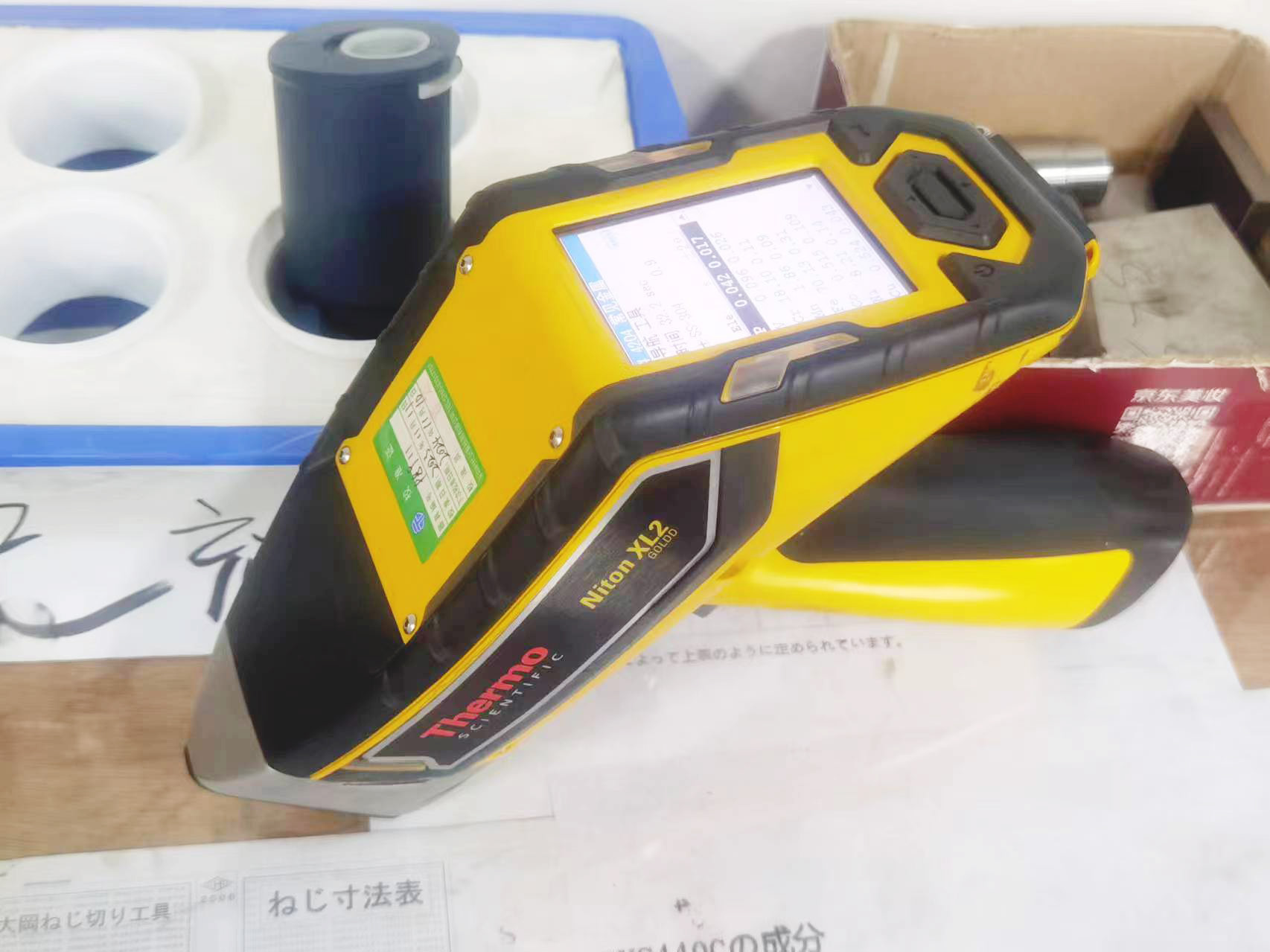
Materials | Aluminum: 2000 series, 6000 series, 7075, 5052, etc. | |||
Stainless steel: SUS303, SUS304, SS316, SS316L, 17-4PH, etc. | ||||
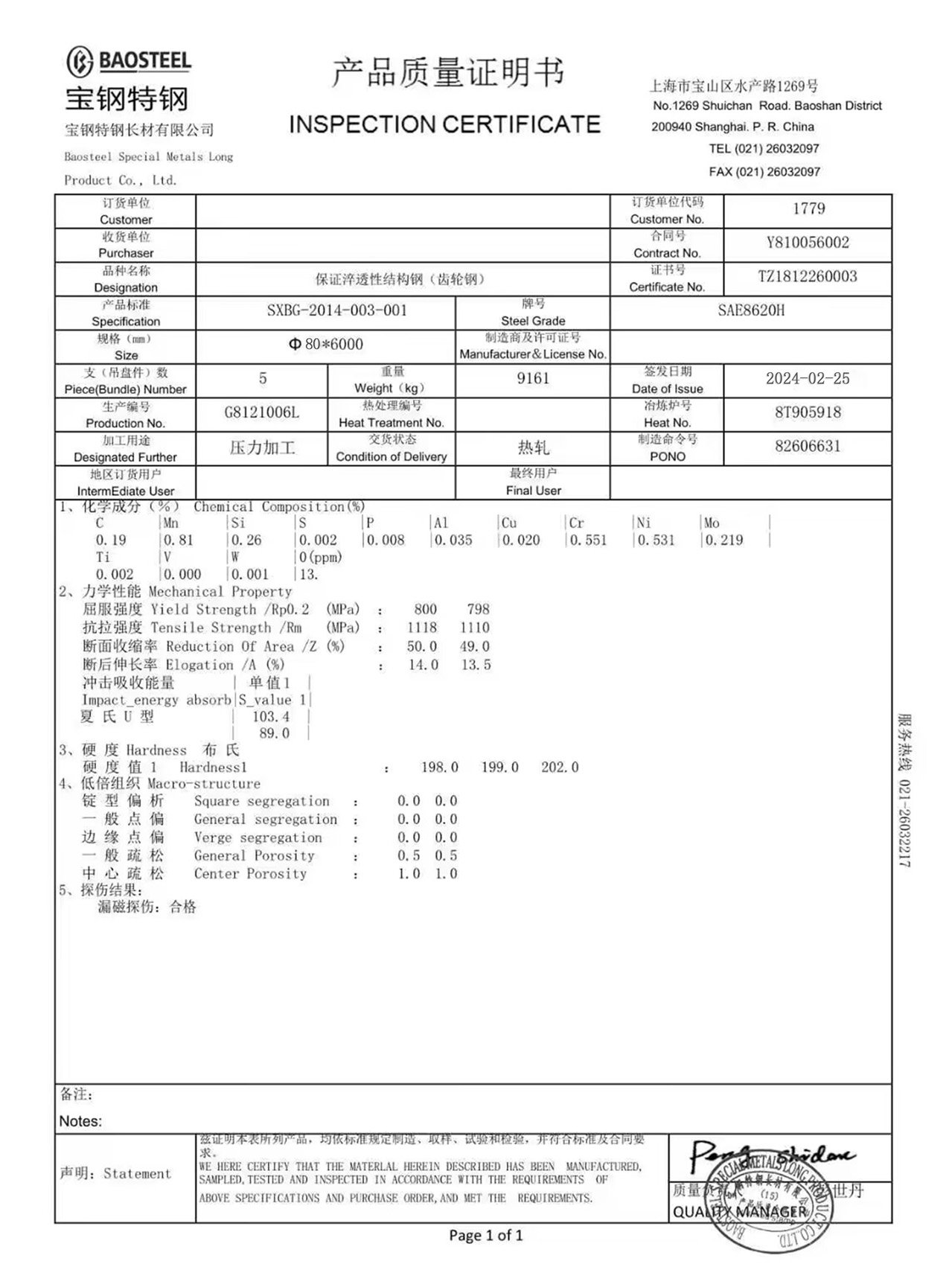
Steel: 1214L/1215/1045/4140/SCM440/40CrMo, etc. | ||||
Brass: 260, C360, H59, H60, H62, H63, H65, H68, H70, Bronze, Copper | ||||
Titanium: Grade F1-F5 | ||||
Plastic: Acetal/POM/PA/Nylon/PC/PMMA/PVC/PU/Acrylic/ABS/PTFE/PEEK etc. | ||||
Surface Treatment | Anodized, Bead Blasted, Silk Screen, PVD Plating, Zinc/Nickel/Chrome/Titanium Plating, Brushing, Painting, Powder Coated, Passivation, Electrophoresis, Electro Polishing, Knurl, Laser/Etch/Engrave etc. | |||
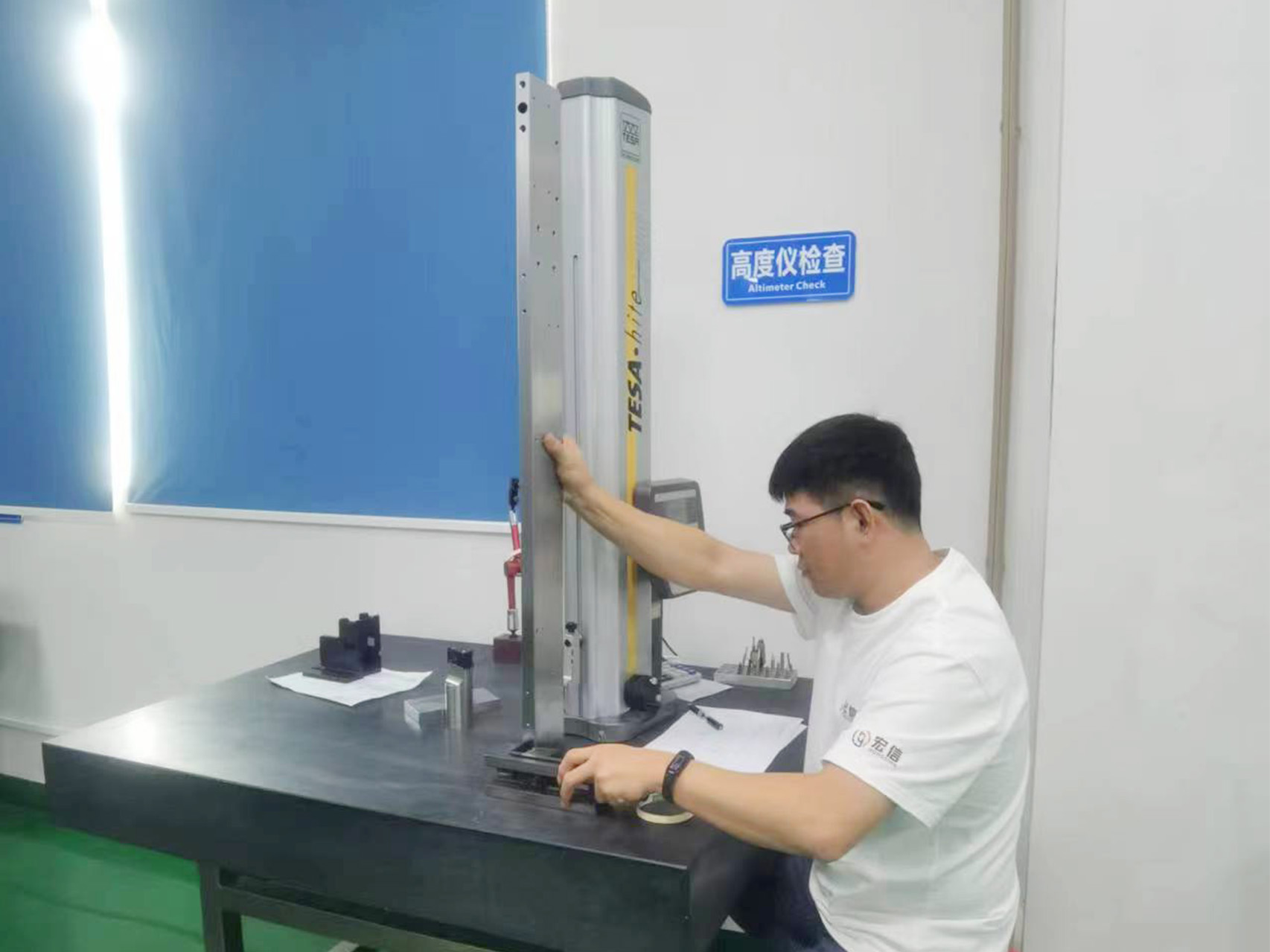
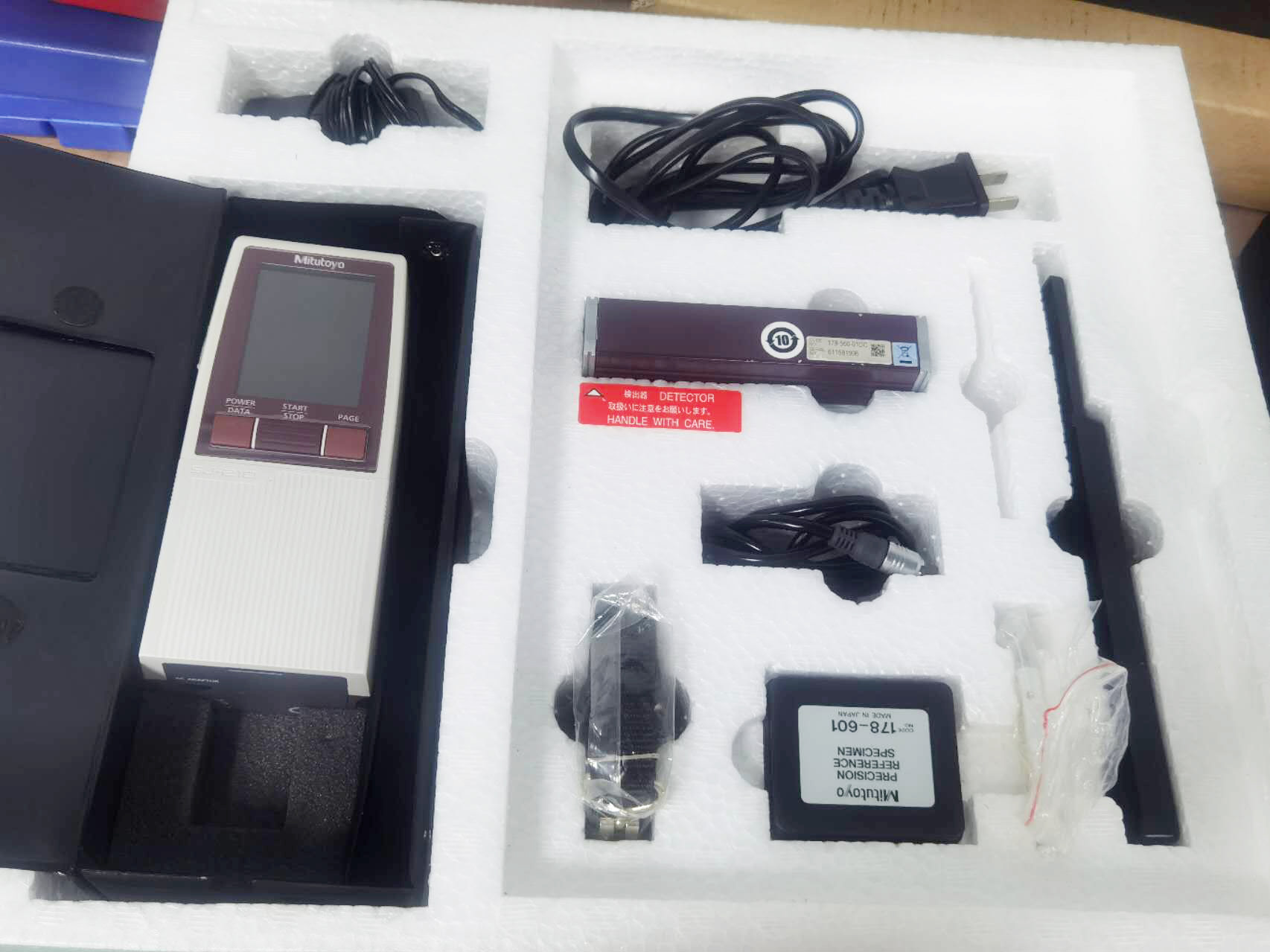
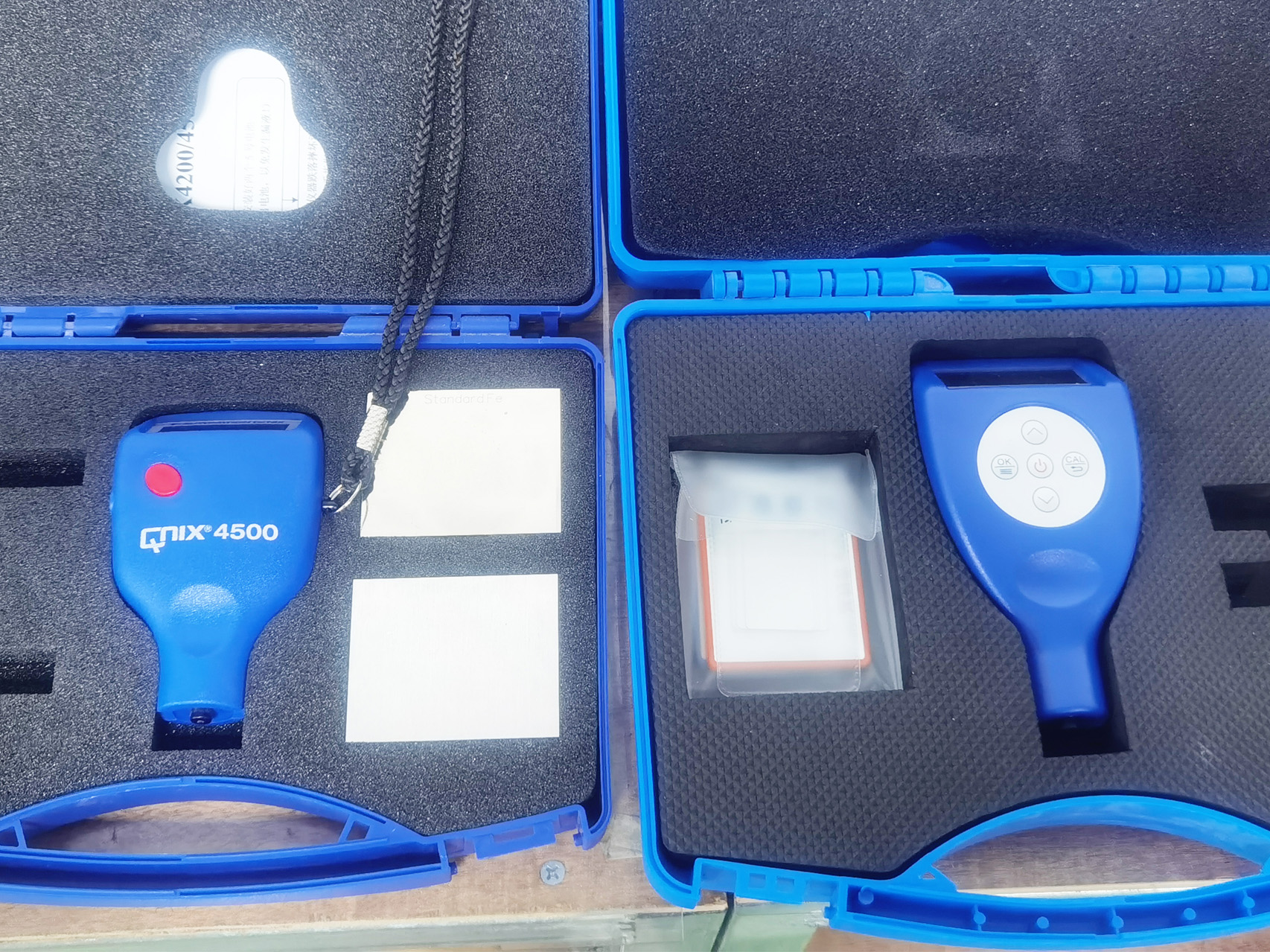
Tolerance | ±0.002 ~ ±0.005mm | |||
Surface Roughness | Min Ra 0.1~3.2 | |||
4.Quick proofing, short delivery time, usually is 3-15 days
How CNC Machining is Transforming the Medical Industry
CNC machining has revolutionized how medical devices and equipment are designed, manufactured, personalized, and used. Its precision, customization, and speed have transformed patient care, enabled personalized treatments, and improved surgical outcomes.
CNC machine tools operate with exceptional precision. This level of accuracy is crucial for the production of surgical instruments, implants, and microdevices used in minimally invasive surgery. The precision and consistency provided by CNC machining improves performance and reduces the risk of complications during medical procedures. This is especially important for surgeons, who rely on ultra-precise and reliable instruments to perform delicate tasks.

Conclusion: Precision That Saves Lives
The combination of CNC medical equipment manufacturing, high-volume CNC parts production, and rapid prototyping CNC capabilities is transforming healthcare technology. As medical devices become more complex and personalized, CNC machining remains the gold standard for precision, reliability, and regulatory compliance.
By partnering with experienced CNC medical manufacturers, companies can accelerate innovation while maintaining the stringent quality standards required in healthcare applications.