Rapid machining of chemical and sintered metal components.
Rapid machining of chemical and sintered metal components.
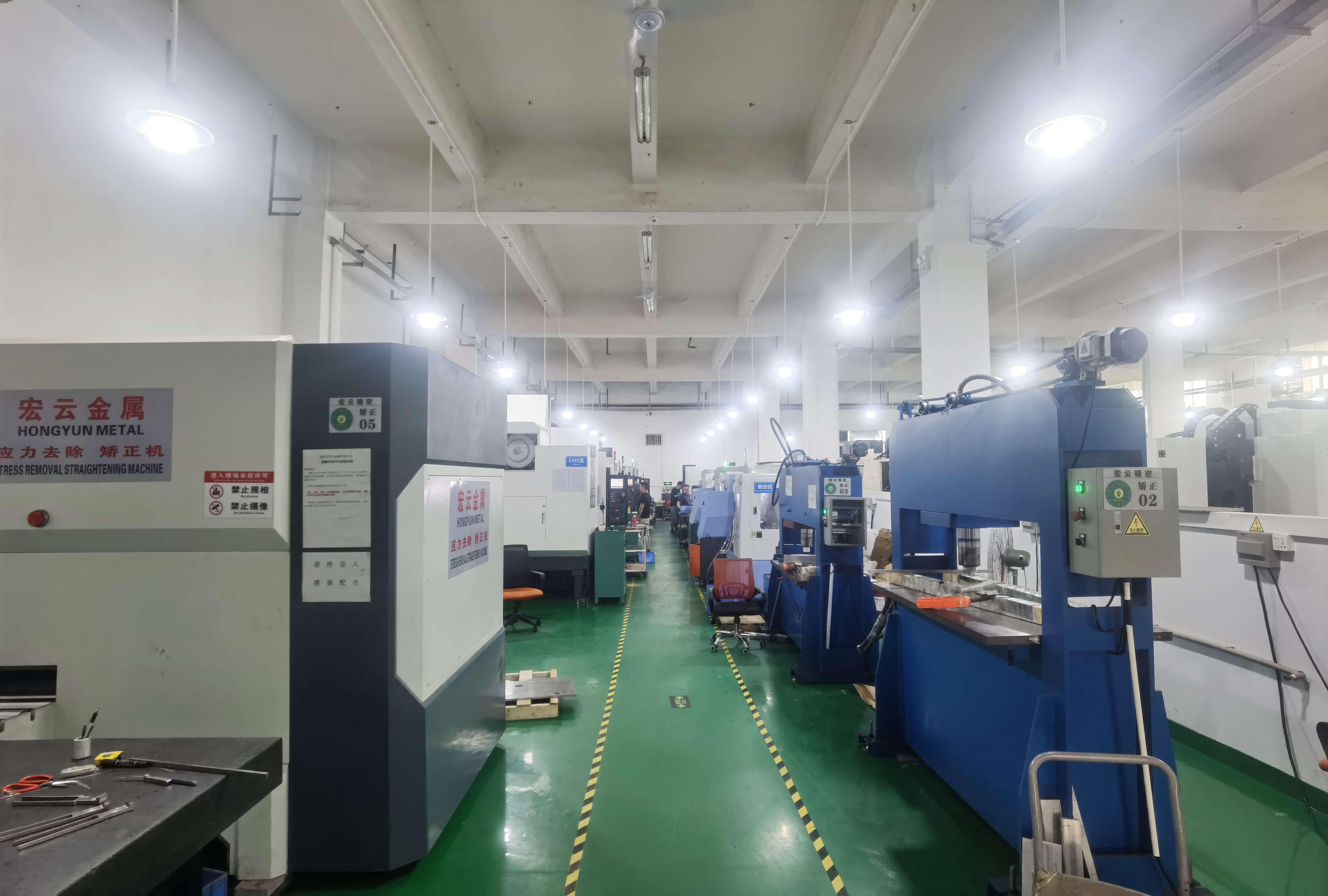
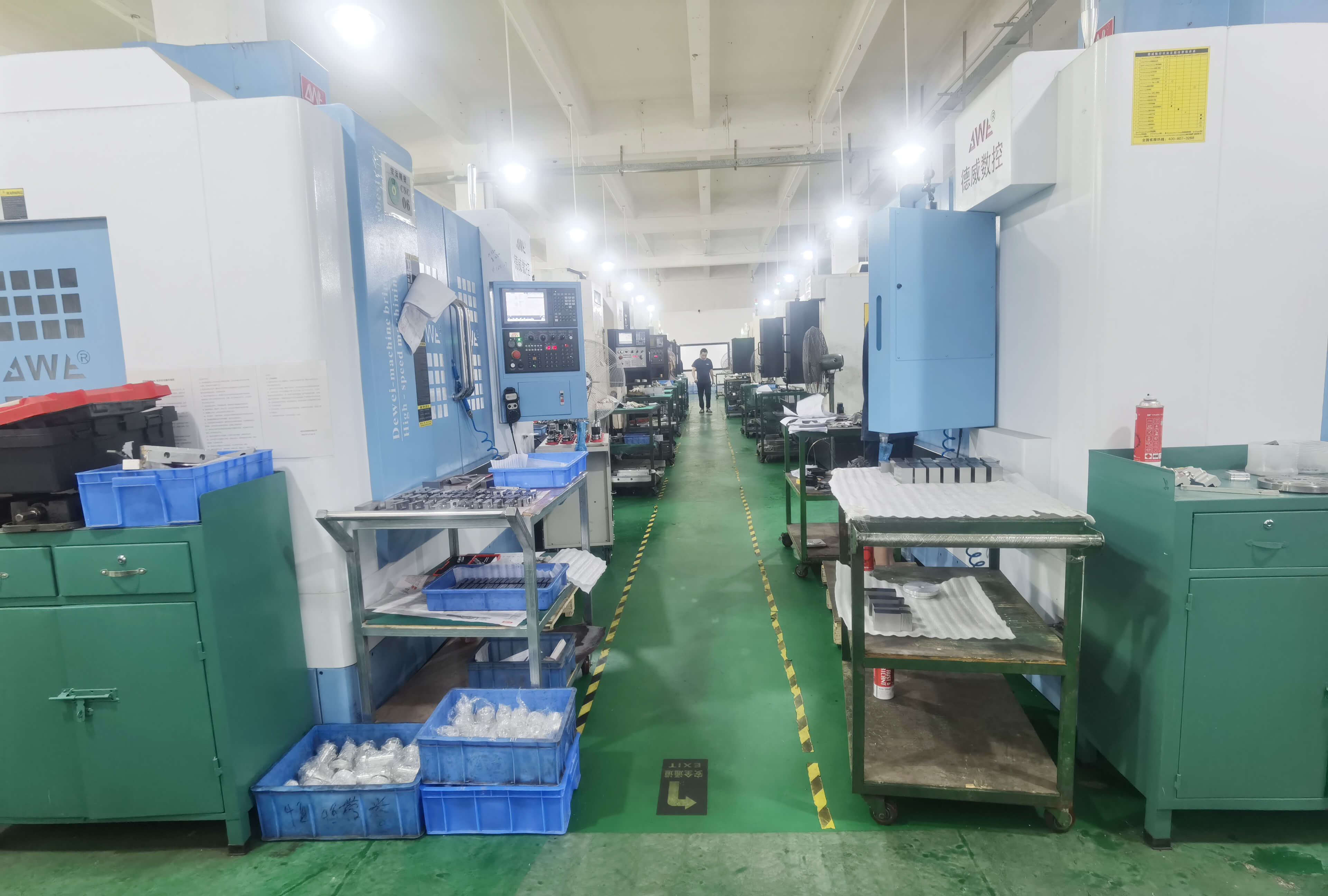
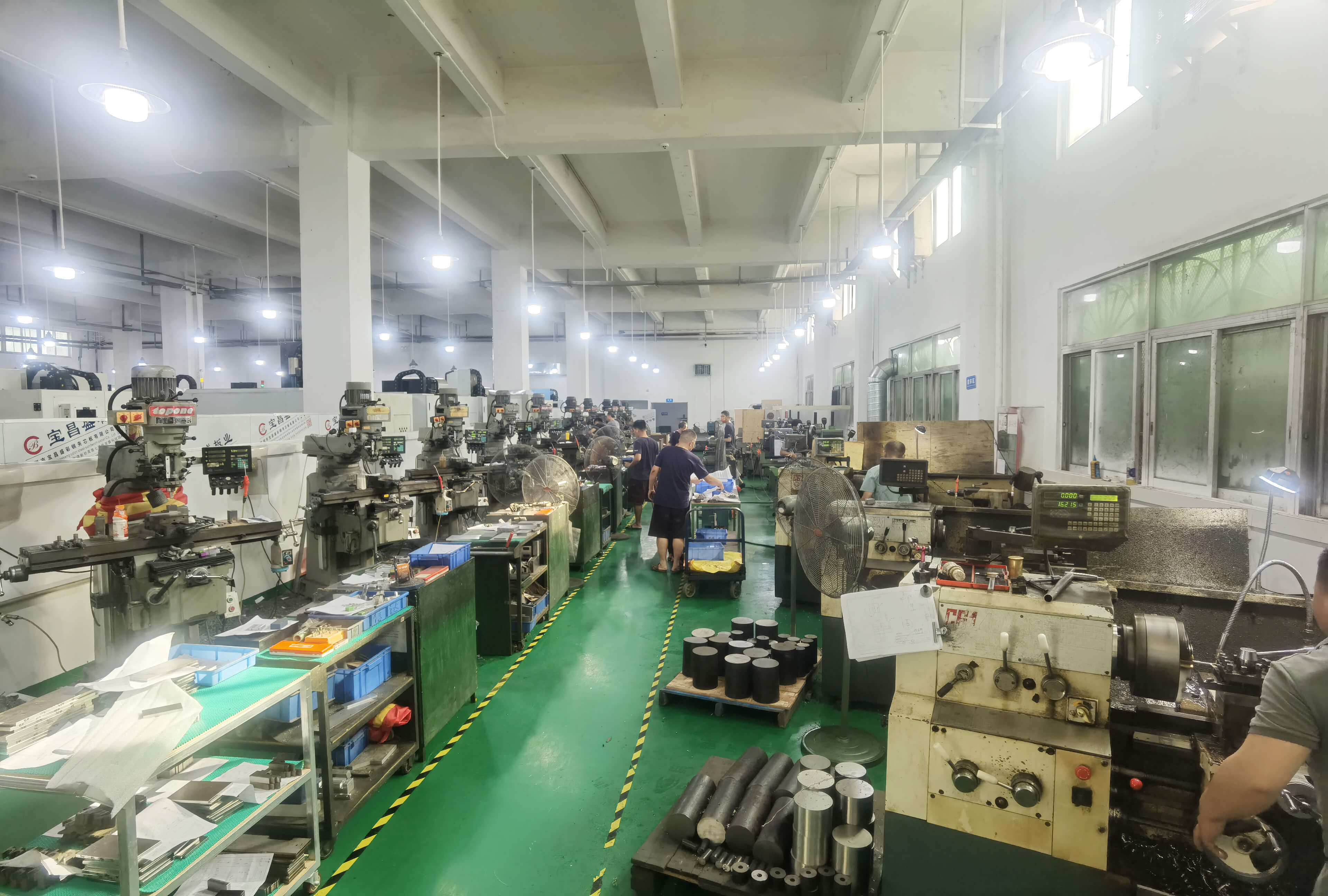
Modern manufacturing has an increasing demand for rapid machining of specialty parts such as chemically machined parts and sintered metal parts. This article explores advanced technologies that combine speed and precision to meet the stringent industry requirements of the aerospace, chemical processing and automotive industries.
Features | CNC Turning Parts | |
Maximum Part Size | 236"x 118"x 24" (6,000 x 3,000 x 610 mm) | 62"Length x 32"Diameter (1,575 mm Length x 813 mm Diameter) |
Minimum Feature Size | 0.020″ (0.50 mm) | 0.020″ (0.50 mm) |
Estimated Delivery Time | 3-7 working days | 3-7 working days |
Standard Tolerance | ISO 2768 MK | ISO 2768 MK |
Precision Tolerance | ±0.0002"(±0.005mm) | ±0.0002"(±0.005mm) |
Threads and Threaded Hole | Standard threads and holes available, also customizable. | Standard threads and holes available, also customizable. |
Edge Conditions | Deburring by default. | Deburring by default. |
Surface Smooth | Ra 0.4 - 1.6μm | Ra 0.4 - 1.6μm |
The sintering industry is an indispensable and important link in the entire steel industry production, and its production quality has a great impact on steel production. With the development of industry, there are fewer and fewer rich ores that can be directly used for blast furnace smelting, so people have to mine poor ores (iron content 25%-40%). However, it is not economical to directly put poor ores into the furnace for smelting, so it still needs to be processed by ore dressing. To beneficiate, the ore must be crushed and ground. The grade of the ore powder after ore dressing is improved, but its particle size does not meet the requirements of blast furnace smelting. Therefore, the ore powder mined and screened must be agglomerated before it can be used for smelting. The main task of sintering production is to agglomerate iron ore powder to provide high-quality artificial rich ore for blast furnace smelting. The basic principle of the sintering process is to mix useful mineral powder (iron-containing raw materials, flux, fuel and return ore, etc.) in a certain ratio and add appropriate moisture. After mixing and granulating, spread it on the trolley of the sintering machine. After the sintering material is ignited on the surface, under the forced air extraction of the lower bellows, the fuel in the material layer burns from top to bottom and releases heat. The mixed material undergoes a series of physical and chemical changes under the high temperature and produces a certain liquid phase. As the temperature of the material layer decreases and cools, the liquid phase consolidates the mineral powder particles into blocks. This process is called sintering.