Precision Machining Components and Services
Hongsinn-871
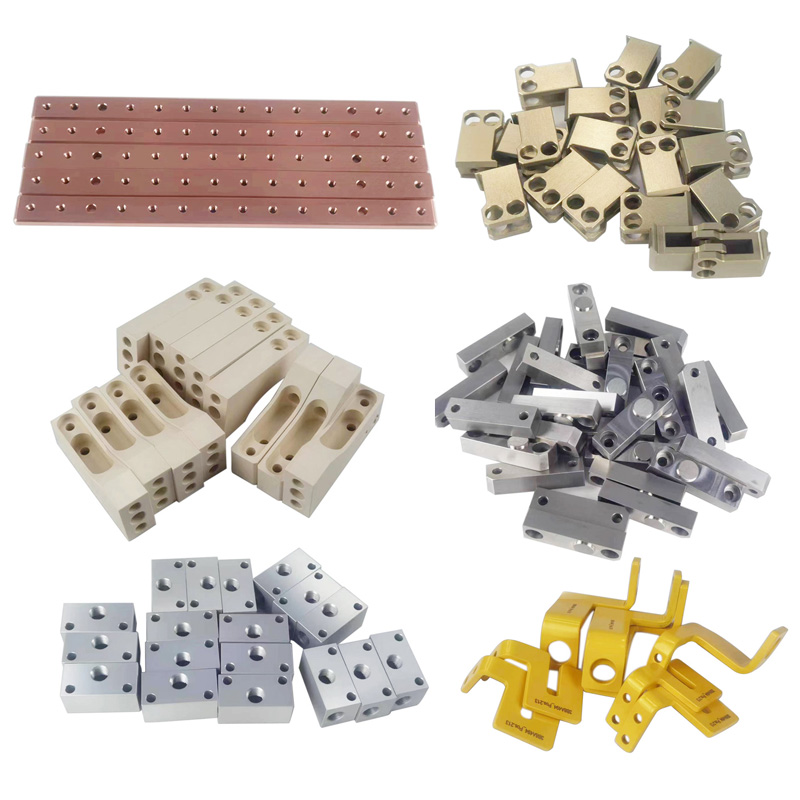
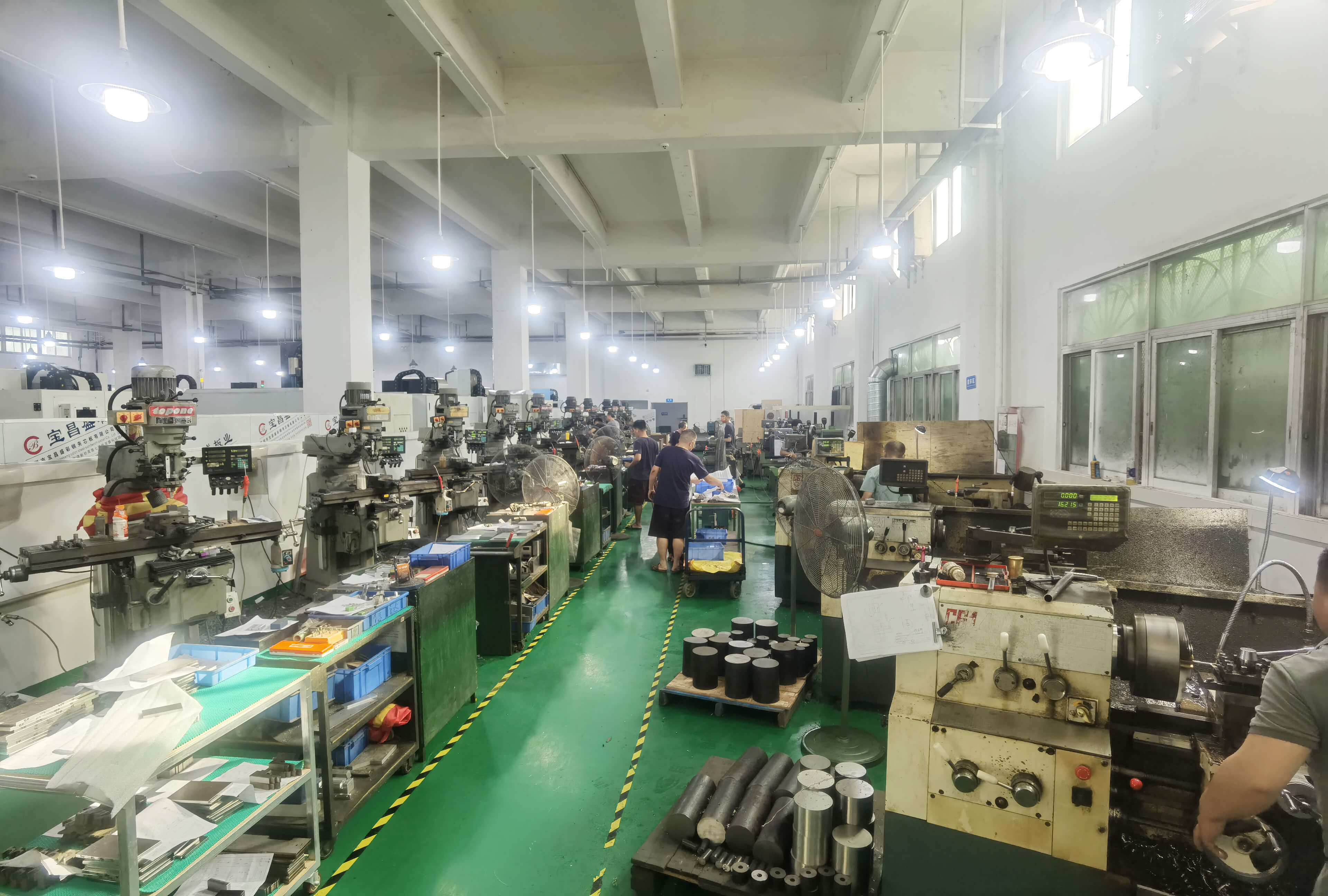
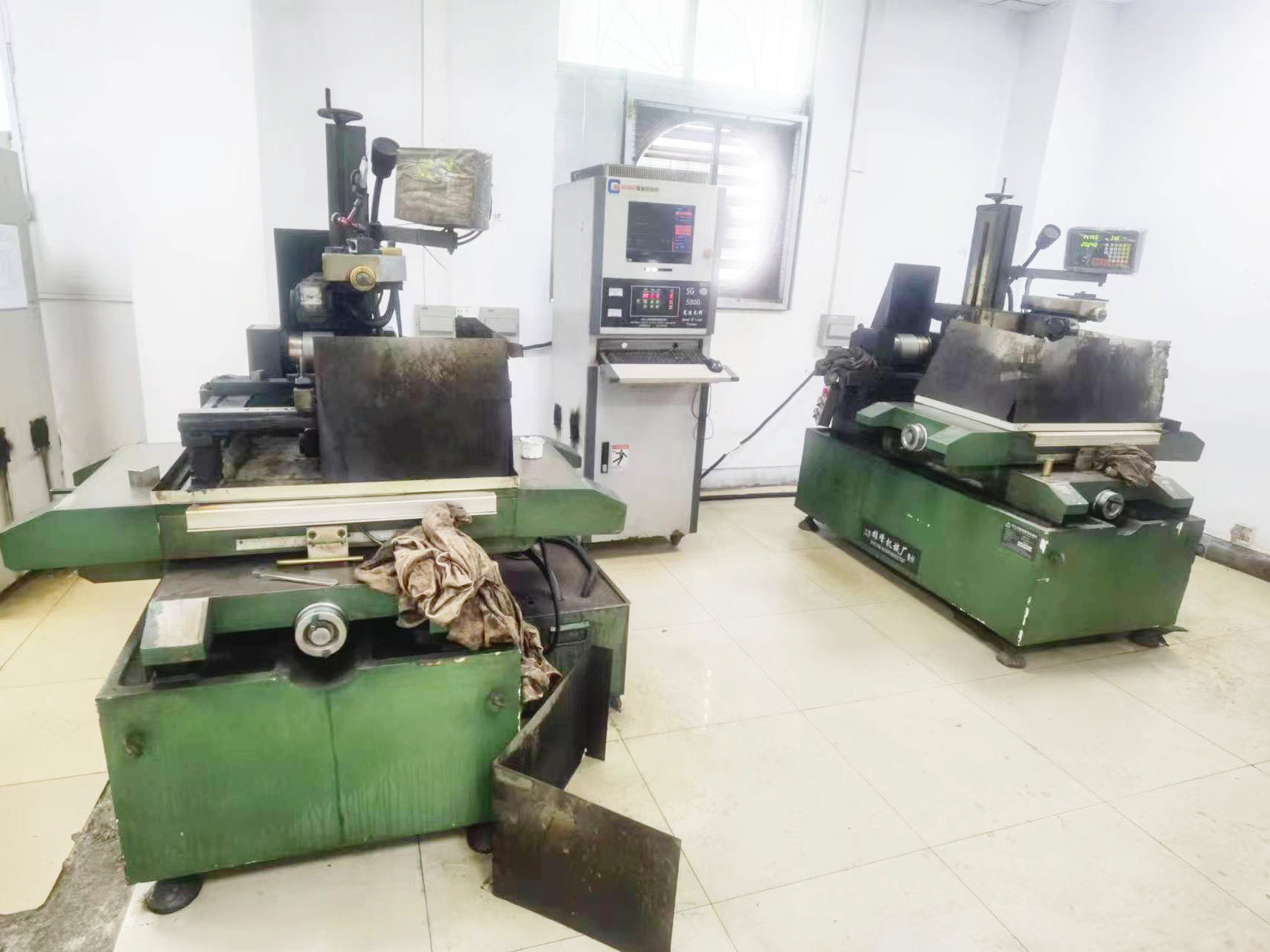
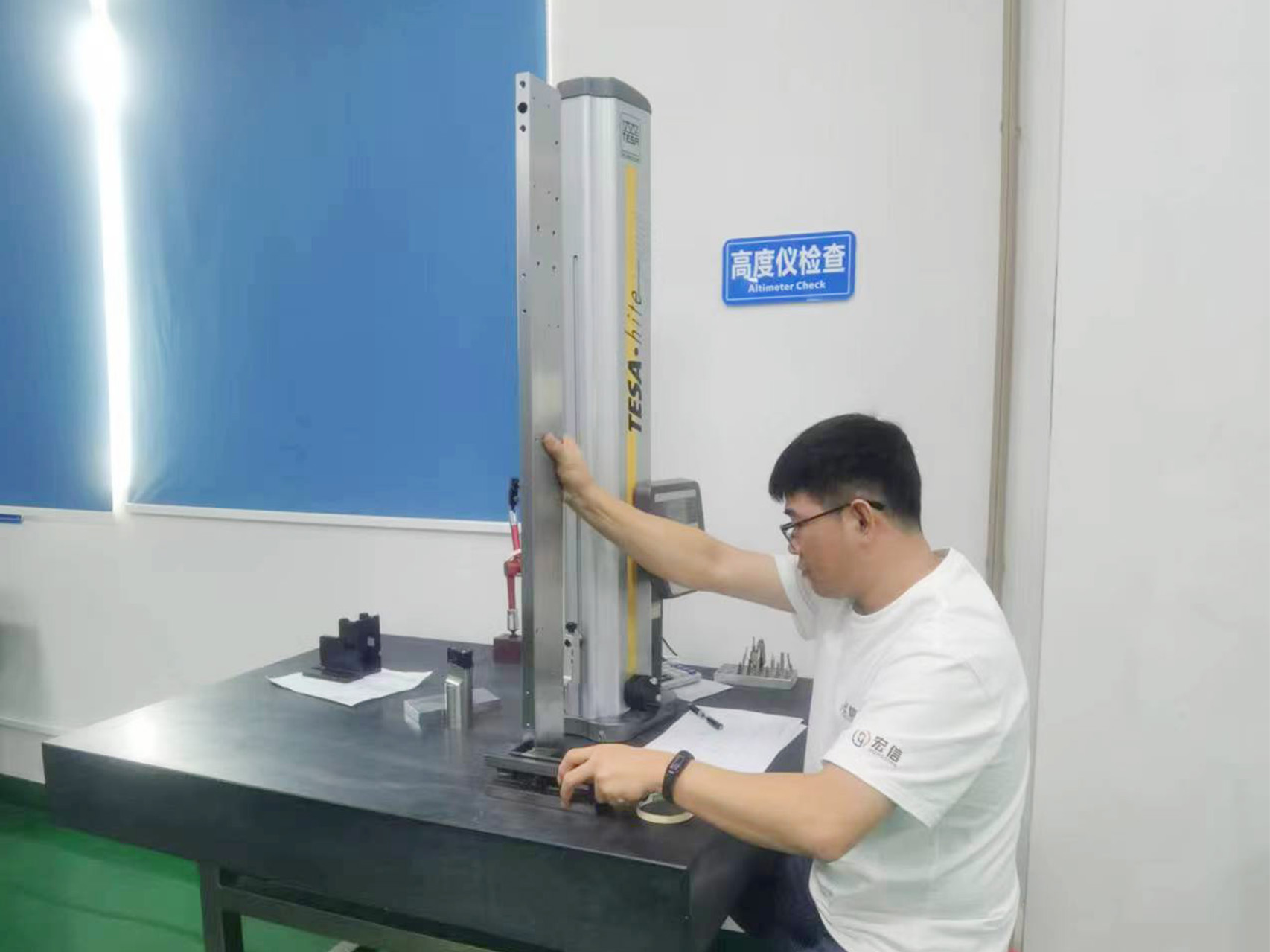
Our precision machining components are designed for accuracy and durability, perfect for various industrial applications.
Delivery
FOB
minimum order
1 piece
Supply Ability
5000piece / Week
Country of Origin
Shenzhen
Stock Time
7~15Day
Quantity:
US $0.59 - US $10.68 / piece
Our precision machining components are designed for accuracy and durability, perfect for various industrial applications.
The terms usinage piece metal (French for metal part machining), comprehensive manufacturing fabrication, and precision machining components collectively describe the complete ecosystem of modern metal part production.
|
Cutting
The cutting process utilizes cutting tools attached to lathes or computer numerical control (CNC) machines to cut aluminum sheets. In many cases, specialized manufacturers may choose dedicated aluminum cutting processes, such as:
Waterjet shearing: This process uses industrial shearing tools to cut aluminum material using a high-pressure water jet mixed with abrasive. Compared to welding and other heat-related cutting processes, waterjet cutting leaves a cleaner and more precise cut surface.
Laser cutting: The laser cutting process uses a laser cutter to cut aluminum parts into the desired shape. The laser machine creates the required pattern based on a CAD model design. This process is popular due to its low energy consumption, clean cutting, and elimination of aluminum sheet contamination.
Plasma cutting: This process uses a plasma cutter to cut aluminum. The cutter cuts aluminum at high speed using a plasma thermal jet, thus reducing the possibility of contamination. The plasma cutting process is efficient and fast, and utilizes a CAD model to cut the aluminum pattern.
Hole Machining
Manufacturing parts may require holes of varying diameters and lengths depending on design features. Depending on the hole size, different processes can be used in aluminum manufacturing to achieve these hole designs. These hole-making processes include:
Drilling: This process uses a drill bit to create a round hole. In most cases, the drill bit rotates and applies pressure to the workpiece. Drilling may require further fine-tuning to meet specific dimensional requirements.
Boring: Boring is typically performed after a hole has already been drilled in the workpiece. This process uses a boring tool; the boring bar rotates and feeds the workpiece, removing a small amount of metal with each revolution to ensure precise dimensions are created according to design specifications.
Tapping: Tapping is the process of cutting threads inside a hole so that bolts or cap screws can fit into it. This process can be done on a lathe, milling machine, tapping machine, or by hand. The cutting tool used to create these threads is called a tap, and its cutting edge is threaded. As the tap is screwed into the hole, it removes excess metal and cuts out the internal thread.