


The bending operation in the sheet metal process includes bending sheet metal into a box and bending long sheet metal, essential techniques for creating functional and precise components in various industries.
The bending operation in the sheet metal process includes bending sheet metal into a box and bending long sheet metal, essential techniques for creating functional and precise components in various industries.
Stainless Steel | SS201,SS301,SS303, SS304, SS316, SS416 etc. |
Steel | Mild Steel, Carbon Steel, 4140, 4340, Q235, Q345B, 20#, 45# etc. |
Brass | HPb63, HPb62, HPb61, HPb59, H59, H68, H80, H90 etc. |
Copper | C11000,C12000,C12000, C36000 etc. |
Aluminum | AL6061, Al6063, AL6082, AL7075, AL5052, A380 etc. |
Iron | A36, 45#, 1213, 12L14, 1215 etc. |
Stainless Steel | Polishing, Passivating, Sandblasting, Laser Engraving |
Steel | Zinc Plating, Oxide Black, Nickel Plating, Chrome Plating, Carburized, Powder Coated |
Aluminum | Clear Anodized, Color Anodized, Sandblasted Anodized, Chemical Film,Brushing,Polishing |
Bike | Automobile Industry | Computer Equipment | Agricultural Equipment |
Textile Equipment | Miscellaneous Equipment | Measuring Instruments | Medical/Dental Instruments |
Safety Equipment | Petrochemical Industry | Pumps Connections | Pharmaceutical Industry |
General Machinery | Pharmaceutical Industry | Fixing Equipment | Industrial Valves |
Sanitary Fittings | Instrumentation Equipment | Food Beverage Processing | Orthopedic Implants |
One of the key aspects of sheet metal bending is the ability to bend long sheet metal efficiently and accurately. When working with elongated sheets, factors like material type, thickness, and bending radius play a crucial role in determining the success of the bending operation. By employing advanced techniques and tools, manufacturers can achieve precise bends in long sheet metal pieces, ensuring they meet exact specifications and quality standards.
The process of bending a sheet metal box involves a series of carefully orchestrated steps to transform a flat sheet into a three-dimensional structure. This process is often used in the production of enclosures, cabinets, and other components where a closed shape is required. By strategically bending the sheet along specific lines and angles, fabricators can create sturdy and functional sheet metal boxes that cater to a wide range of industrial and commercial applications.
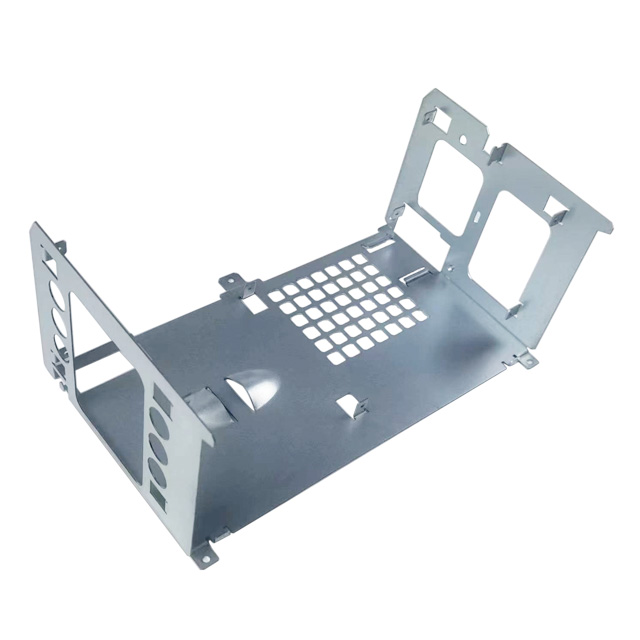

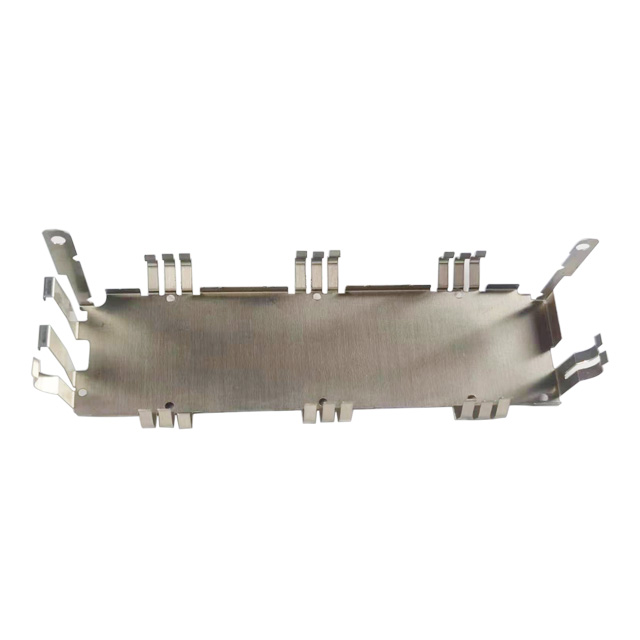
In sheet metal fabrication, the bending operation is not just about shaping the material but also about maintaining structural integrity and dimensional accuracy. Advanced bending techniques, such as air bending, bottoming, and coining, offer flexibility in creating different bend angles and radii while ensuring uniformity across the entire length of the sheet.
Whether it's bending a sheet metal box, executing complex bending operations, or handling long sheet metal pieces, precision and attention to detail are paramount. By leveraging the latest technologies and expertise in sheet metal forming processes, manufacturers can deliver high-quality products that meet the diverse needs of industries such as aerospace, automotive, electronics, and more.


