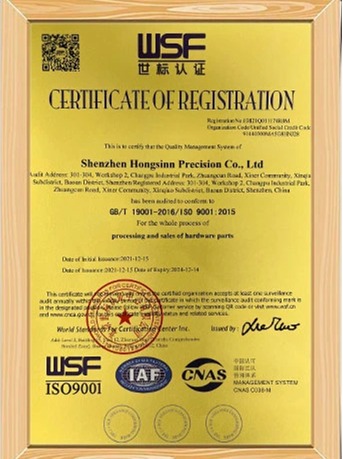
Exploring the Finest in Global CNC Industries for Sheet Metal Work
Hongsinn-491
Unleashing Excellence: Global CNC Industries Redefining Sheet Metal Precision. Discover the Best in CNC Innovation Today!
Delivery
FOB
minimum order
1 piece
Supply Ability
5000piece / Week
Country of Origin
Shenzhen
Stock Time
7~15Day
Quantity:
US $0.59 - US $10.68 / piece
Exploring the Finest in Global CNC Industries for Sheet Metal Work
In today's competitive manufacturing landscape, CNC (Computer Numerical Control) technology plays a crucial role in precision sheet metal fabrication. Whether you're looking for the best CNC machines, exploring global CNC industries, or specializing in sheet metal CNC processes
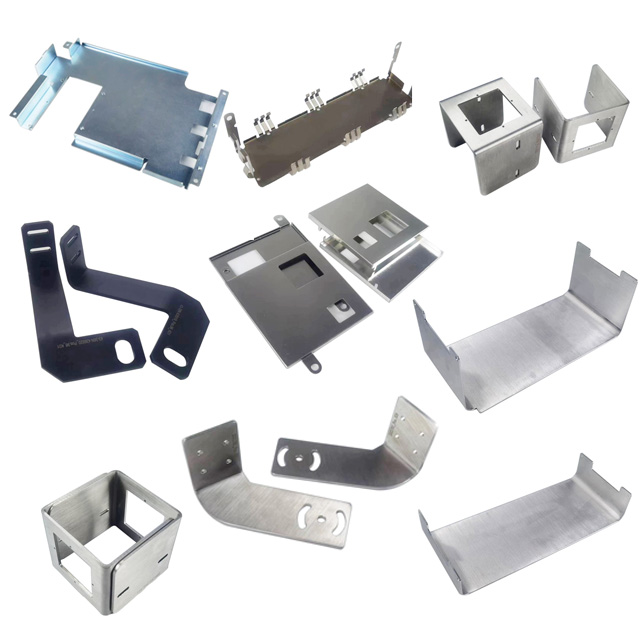
Sheet metal is typically thin, flat metal produced through industrial processes, and its thickness varies widely. Extremely thin sheets are called foil or leaf, while sheets thicker than 6 mm (0.25 in) are called plate, such as sheet steel, a common structural steel.
Sheet metal can be produced as flat pieces or coils. Coils are typically formed from a continuous sheet of metal through a roller cutter. In most parts of the world, sheet metal thickness is measured in millimeters. However, in the United States, sheet metal thickness is typically determined using a traditional, nonlinear measurement method, where higher gauge numbers indicate thinner metal.
Common sheet metal thicknesses range from 30 gauge (0.40 mm) to 7 gauge (4.55 mm). Gauges also vary for ferrous metals and nonferrous metals such as aluminum or copper. For example, in the United States, copper thickness is traditionally expressed in ounces, representing the weight of copper per square foot.
Parts manufactured from sheet metal must maintain a uniform thickness to ensure optimal results.
Processing | CNC Turning, CNC Milling, Laser Cutting, Bending, Spinning, Wire Cutting, Stamping, Electric Discharge Machining (EDM), Injection Molding | |||
Materials | Aluminum: 2000 series, 6000 series, 7075, 5052, etc. | |||
Stainless steel: SUS303, SUS304, SS316, SS316L, 17-4PH, etc. | ||||
Steel: 1214L/1215/1045/4140/SCM440/40CrMo, etc. | ||||
Brass: 260, C360, H59, H60, H62, H63, H65, H68, H70, Bronze, Copper | ||||
Titanium: Grade F1-F5 | ||||
Plastic: Acetal/POM/PA/Nylon/PC/PMMA/PVC/PU/Acrylic/ABS/PTFE/PEEK etc. | ||||
Surface Treatment | Anodized, Bead Blasted, Silk Screen, PVD Plating, Zinc/Nickel/Chrome/Titanium Plating, Brushing, Painting, Powder Coated, Passivation, Electrophoresis, Electro Polishing, Knurl, Laser/Etch/Engrave etc. | |||
Tolerance | ±0.002 ~ ±0.005mm | |||
Surface Roughness | Min Ra 0.1~3.2 | |||
1.Direct OEM/0DM manufacturer, advanced produce technical,the highest tolerance we can reach to ±0.005mm;
2.Complete produce equipment and test equipment. Independent Engineer team, to check drawings, provide quotation, write machining process, guide production.
3.Independent PMC department, to make production plan and manage delivery time.
4.Quick proofing, short delivery time, usually is 3-15 days
4.Quick proofing, short delivery time, usually is 3-15 days
5 .The company has gathered a rich group of technologicallyadvanced modern talents, which has laid a stable foundationfor the long-term development of the company.
6.Complex and difficult surface and functional structureof the hand plate model, We can all mold quickly.xxx
Sheet Metal Types and Processing
Many different metals are used to manufacture sheet metal, including aluminum, brass, copper, steel, tin, nickel, and titanium. Other important sheet metals for decorative purposes include silver, gold, and platinum, with platinum often used as a catalyst.
Sheet metals undergo a variety of processing techniques, primarily cold rolling and hot rolling. In some cases, hot-dip galvanizing may be used to prevent rust from prolonged outdoor exposure. Cold-rolled sheet metal is sometimes coated with a colored coating for both decorative and protective purposes; this type of sheet metal is often referred to as color-coated sheet metal.
By choosing the appropriate metal material and processing technique, the functional and aesthetic requirements of different applications can be met.
Sheet metal has a wide range of applications across multiple industries, including:
Auto and truck bodies: Used in the body structure and exterior shell, providing strength and durability.
Major appliances: Sheet metal is often used for the exterior shell and interior structure of home appliances and industrial equipment.
Aircraft fuselages and wings: In the aerospace industry, sheet metal is used to construct lightweight yet strong fuselages and wings.
Tinplate cans: Used in food and beverage packaging, providing corrosion protection and sealing.
Building roofing: Sheet metal is used in building roofing materials, providing weather resistance and aesthetics.
Furthermore, sheet iron and other high-magnetic permeability materials—known as laminated iron cores—are also important in transformers and electric motors. These materials effectively manage electromagnetic fields, enhancing device performance. By choosing the right sheet metal, you can effectively meet the needs of various applications.

Final Thoughts
Choosing the best CNC machine depends on your specific needs in sheet metal CNC fabrication. Meanwhile, global CNC industries continue to evolve with smarter, faster, and more efficient solutions.
By staying updated with the latest CNC advancements, manufacturers can enhance productivity and maintain a competitive edge.