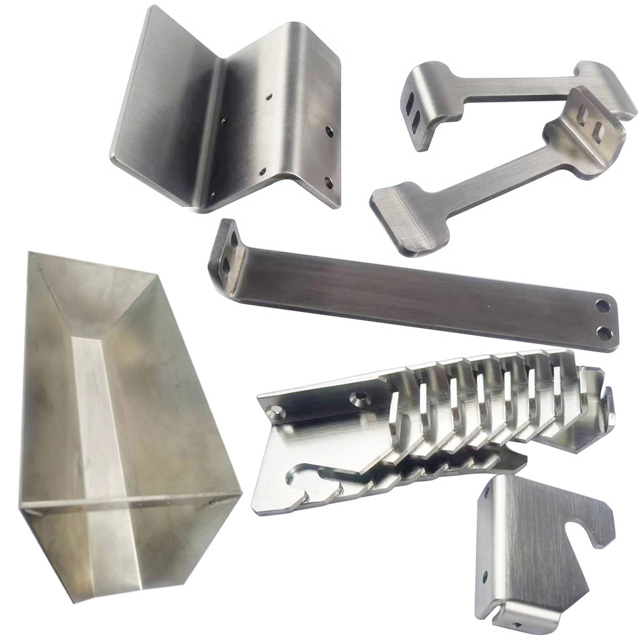
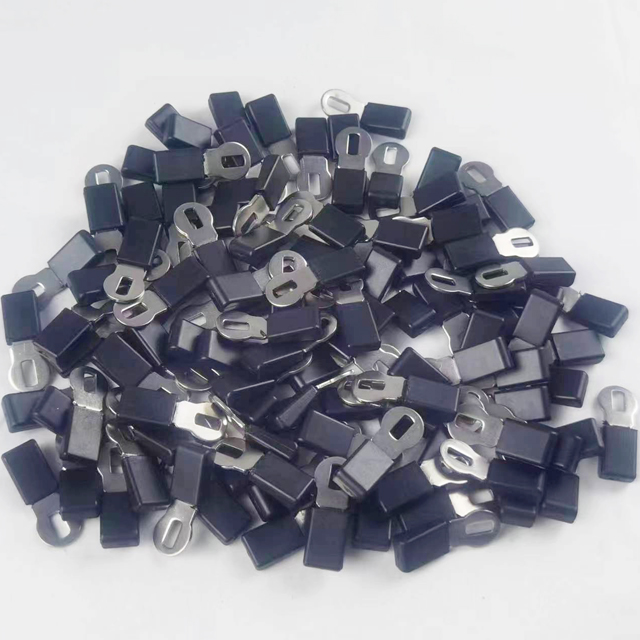
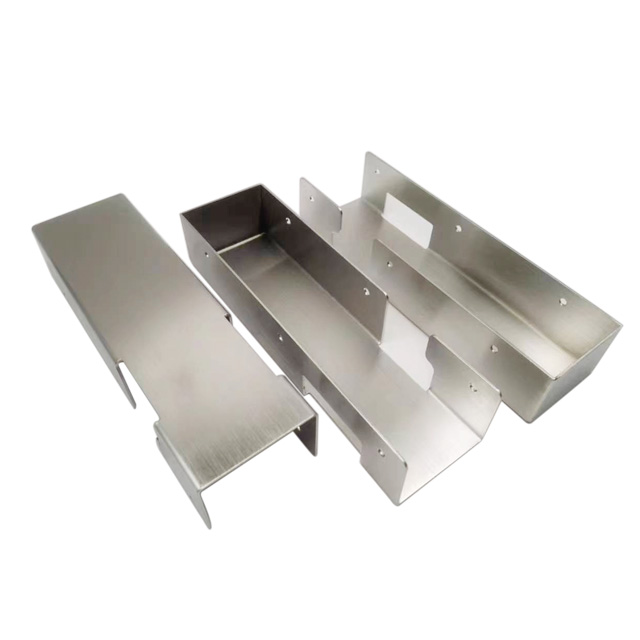
Explore the Crimping, Caulking, and Bending Processes in Sheet Metal Fabrication for precise metal shaping.
Explore the Crimping, Caulking, and Bending Processes in Sheet Metal Fabrication for precise metal shaping.
Process | Stamping, Deep drawing, Laser cutting,Bending, Welding,Drilling, Grinding, Spinning,Die Casting CNC etc |
Aluminum: 2000 series, 6000 series, 7075, 5052, etc. | |
Stainless steel: SUS303, SUS304, SS316, SS316L, 17-4PH, etc. | |
Steel: 1214L/1215/1045/4140/SCM440/40CrMo, etc. | |
Brass: 260, C360, H59, H60, H62, H63, H65, H68, H70, Bronze, Copper | |
Titanium: Grade F1-F5 | |
Surface treatment | Zinc plating, Nickel plating, Powder coated , Paint ,Brushed, Polishing, Anodized , Hot dip galvanizing etc . |
Quality Assurance | ISO9001:2015, ISO13485:2016, SGS, RoHs, TUV |
Tolerance | +/-0.002~+/-0.005mm |
Understanding the Bending Process
Bending involves deforming a metal sheet along a straight axis to create bends or angles. This process is typically performed using a press brake, which applies force to the sheet metal to bend it to the desired angle. Bending can be categorized into several types, including air bending, bottoming, coining, and more, each suitable for different applications and requirements.
Types of Bending Techniques
Air Bending: In air bending, the metal sheet is bent between the punch and the die, leaving a small gap. The bending angle is determined by the depth the punch descends into the die, making it a versatile and widely used bending technique.
Bottoming: Bottoming, also known as die bending, involves bending the metal sheet fully against the die to achieve a precise angle. This technique is ideal for creating sharp bends with high accuracy.
Coining: Coining is a precision bending technique that involves applying high pressure to the metal sheet to create a tight bend radius and sharp corners. This method is commonly used for forming intricate shapes and details.
Factors Influencing Bending
Several factors influence the bending process, including the type and thickness of the metal sheet, the angle of the bend, the tooling used, and the material properties. Understanding these factors is crucial in achieving accurate and consistent bends while minimizing defects such as cracking, wrinkling, or springback.
Tooling and Equipment
Selecting the right tooling and equipment is essential for successful bending operations. Press brakes with various tooling options, such as punches, dies, and backgauges, enable precise control over the bending process, ensuring uniformity and repeatability in forming metal components.
Quality Control and Precision
Quality control measures, such as inspecting bend angles, dimensions, and surface quality, are essential to ensure the accuracy and consistency of bent metal parts. Utilizing advanced techniques like computer-aided design (CAD) and simulation software can help optimize the bending process and minimize errors.