


Bending thick sheet metal, bending sheet metal into a box, and bending sheet metal corners are essential techniques for creating robust, precise, and functional metal structures in various industrial applications.
Bending thick sheet metal, bending sheet metal into a box, and bending sheet metal corners are essential techniques for creating robust, precise, and functional metal structures in various industrial applications.
Material | Aluminum, stainless steel, copper, brass, galvinized etc. |
Size | Customized |
Surface treatment | Powder coating, electroplating, oxide,anodization |
Technics | laser cut, bend, weld, stamp |
Certification | ISO9001:2015 |
OEM | Accept |
Drawing Format | 3D/CAD/Dwg/IGS/STP |
Color | Customized |
Application | Appliance, Auto, Building, Capital equipment, Energy, Instrumentation, Medical device, Telecommunications |
The Challenge of Bending Thick Sheet Metal
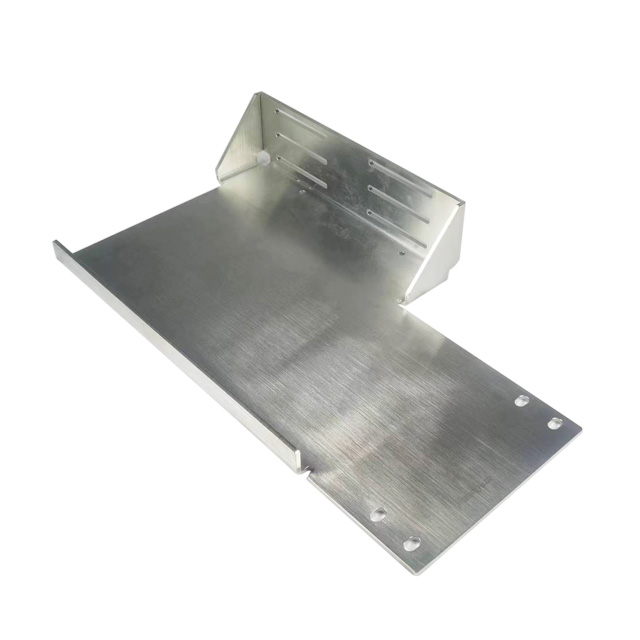
Bending thick sheet metal requires specialized equipment and expertise due to the material’s increased resistance to deformation. This technique is commonly used in heavy industries, such as construction, shipbuilding, and machinery manufacturing, where strength and durability are paramount. Advanced press brakes and hydraulic systems are employed to achieve precise bends without compromising the metal’s structural integrity.
Creating Functional Designs: Bending Sheet Metal into a Box
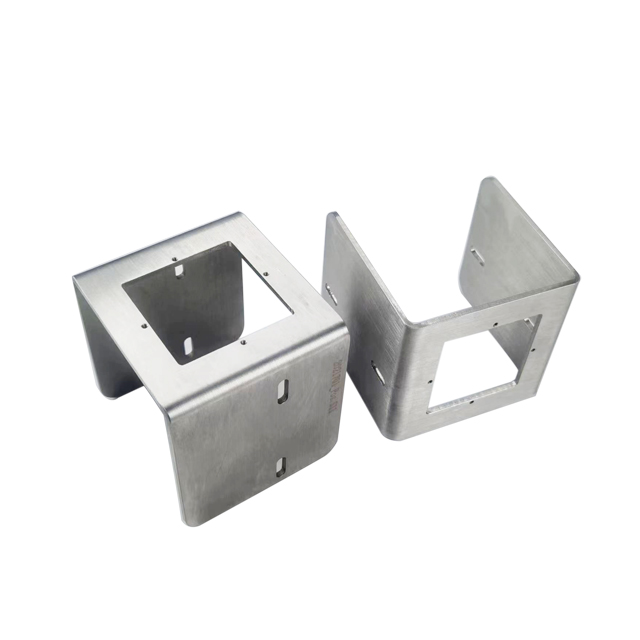
Bending sheet metal into a box shape is a fundamental yet highly versatile technique. This process involves folding metal sheets to form enclosures, containers, or structural frames. Box bending is widely used in electronics, automotive, and storage solutions, where precise dimensions and sturdy construction are essential. The ability to create seamless corners and consistent angles ensures the functionality and aesthetic appeal of the final product.
Precision in Every Angle: Bending Sheet Metal Corners
Bending sheet metal corners is a critical step in achieving clean, sharp, and durable edges. This technique is essential for creating components with tight tolerances, such as cabinets, enclosures, and architectural elements. Proper corner bending ensures that the metal retains its strength and appearance, even in demanding applications. Skilled fabricators use specialized tools to achieve perfect corners without cracking or warping the material.
Advantages of Advanced Sheet Metal Bending Techniques
These bending techniques offer numerous benefits, including the ability to work with a variety of metal thicknesses, the creation of complex geometries, and the production of high-strength components. Bending thick sheet metal ensures durability, box bending provides functional designs, and corner bending delivers precision and aesthetic quality. Together, these techniques enable manufacturers to meet diverse industrial needs.
Applications of Sheet Metal Bending in Industry
The applications of these bending techniques are vast. Thick sheet metal bending is used in structural beams and heavy machinery. Box bending is essential for creating enclosures in electronics and automotive industries. Corner bending is critical for architectural features, furniture, and custom metalwork. These techniques are integral to industries that demand both functionality and precision.
The Role of Technology in Sheet Metal Bending
Technological advancements have significantly enhanced sheet metal bending capabilities. CNC (Computer Numerical Control) machines, laser-guided systems, and automated press brakes allow for greater accuracy, repeatability, and efficiency. These tools enable fabricators to handle complex designs, thick materials, and high-volume production with ease, ensuring consistent quality across all projects.


