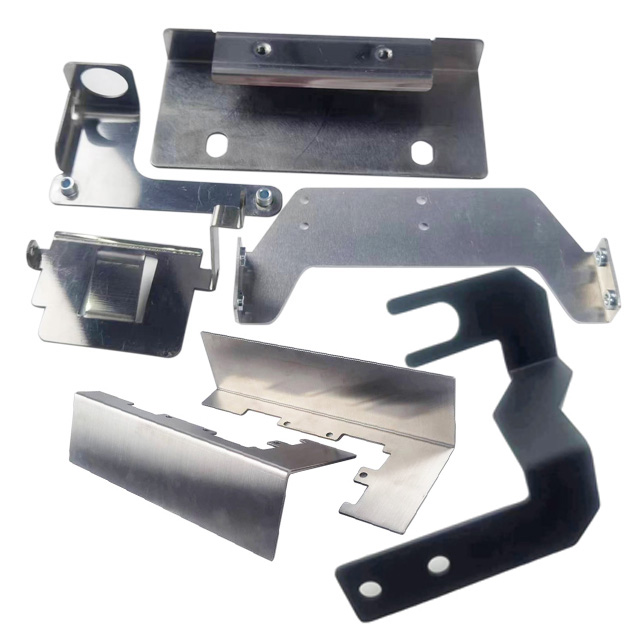
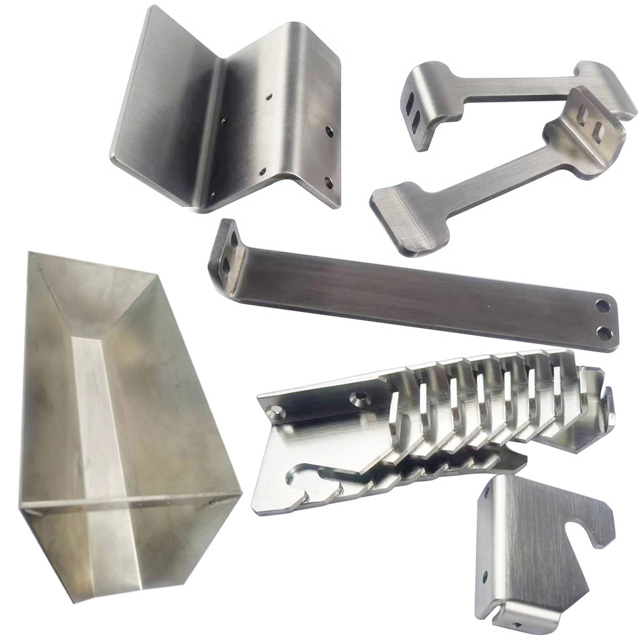
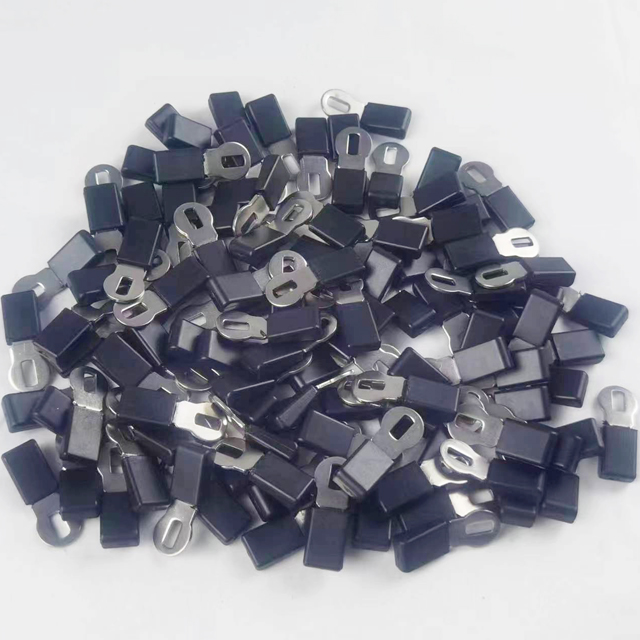
Sheet metal fabrication involves the dinking, cutting, and curling processes to shape and form metal components with precision.
Sheet metal fabrication involves the dinking, cutting, and curling processes to shape and form metal components with precision.
Material | Aluminum, stainless steel, copper, brass, galvinized etc. |
Size | Customized |
Surface treatment | Powder coating, electroplating, oxide,anodization |
Technics | laser cut, bend, weld, stamp |
Certification | ISO9001:2015 |
OEM | Accept |
Drawing Format | 3D/CAD/Dwg/IGS/STP |
Color | Customized |
Application | Appliance, Auto, Building, Capital equipment, Energy, Instrumentation, Medical device, Telecommunications |
The Importance of Cutting in Sheet Metal Fabrication
Cutting is the initial step in the manufacturing process of sheet metal components, where raw metal sheets are transformed into desired shapes and sizes. Whether it's shearing, laser cutting, plasma cutting, or water jet cutting, choosing the right cutting method is essential to achieve the desired results in terms of accuracy, quality, and efficiency.
Types of Cutting Processes
Shearing: Shearing is a common cutting process that involves cutting straight lines on metal sheets using a shearing machine. This process is ideal for cutting large sheets into smaller sizes with clean and precise edges.
Laser Cutting: Laser cutting is a high-precision cutting method that uses a focused laser beam to cut through metal sheets. This process is known for its speed, accuracy, and ability to cut intricate designs with minimal material waste.
Plasma Cutting: Plasma cutting involves cutting metal sheets using a high-velocity jet of ionized gas. This process is suitable for cutting thick metals and is known for its speed and versatility.
Water Jet Cutting: Water jet cutting uses a high-pressure stream of water mixed with abrasive particles to cut through metal sheets. This method is ideal for cutting heat-sensitive materials and producing intricate designs without heat-affected zones.
Factors to Consider in Cutting
When choosing a cutting process for sheet metal fabrication, several factors need to be considered, including the type and thickness of the metal, desired cut quality, production volume, and cost efficiency. It is essential to select the most appropriate cutting method based on these factors to achieve optimal results.
Quality Control and Precision
Precision is paramount in the cutting process to ensure that the metal components meet the required specifications and tolerances. Quality control measures, such as dimensional inspections and material testing, are essential to guarantee the accuracy and quality of the cut metal parts.