


Hem bend sheet metal and hand bend sheet metal techniques, including those used for galvanized sheet metal bending, are essential for creating durable, precise, and aesthetically pleasing metal components.
Hongsinn-282
Unlock the Potential of Sheet Metal with Expert Hem Bend and Hand Bend Techniques – Specializing in Galvanized Sheet Metal Bending for Durable, Precise, and Visually Stunning Components. Perfect for Every Project, Big or Small.
Delivery
FOB
minimum order
1 piece
Supply Ability
5000piece / Week
Country of Origin
Shenzhen
Stock Time
7~15Day
Quantity:
US $0.50 - US $3.29 / piece
Hem bend sheet metal and hand bend sheet metal techniques, including those used for galvanized sheet metal bending, are essential for creating durable, precise, and aesthetically pleasing metal components.
Sheet metal bending is a cornerstone of modern manufacturing, enabling the creation of durable, precise, and aesthetically pleasing components. Among the various techniques, hem bend sheet metal, hand bend sheet metal, and galvanized sheet metal bending stand out for their unique applications and benefits. This article explores these methods, highlighting their importance and versatility in producing high-quality metal parts.
Part Name | stamping parts. | |||
Materials | steel, stainless steel, brass, copper, bronze, aluminum, titanium, silicon steel, nickel plate etc... | |||
Tolerance | 0.01mm. | |||
Surface Treatment | brushing, polishing, electrophoresis, anodize, powder coating, silk screen, laser engraving etc... | |||
Quality System certificate | ISO 9001, ISO14001, REACH, RoHs. | |||
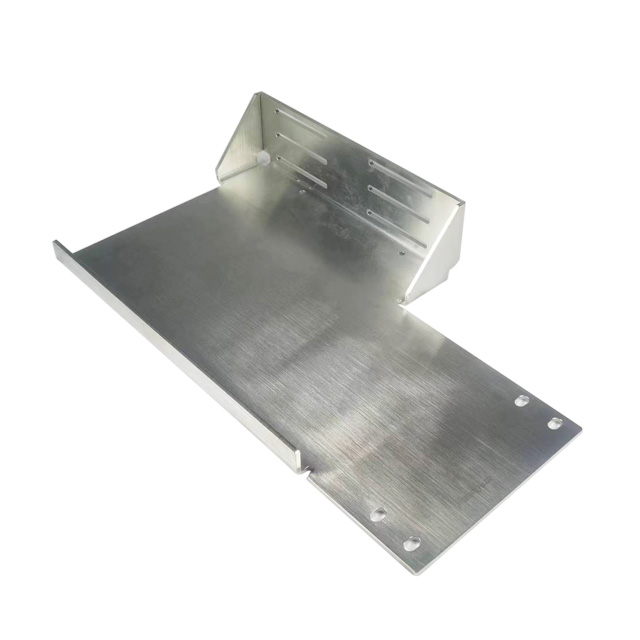
Bending
During manufacturing or installation, galvanized components often need to be bent or formed to facilitate connections or to fit the components into specific locations. Typically, manufacturers perform the bending before hot-dip galvanizing, eliminating the need to return the parts to the manufacturer for further processing and allowing the parts to be shipped directly from the galvanizing facility to the construction site. This direct shipping method saves energy and costs and ensures timely delivery.
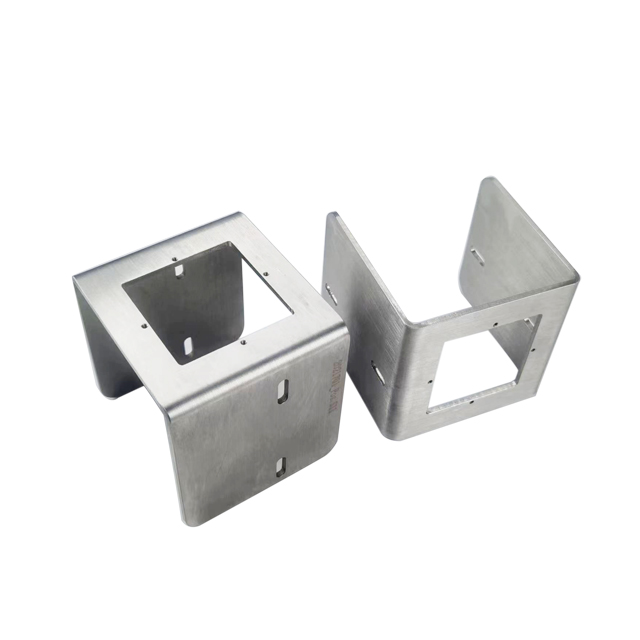
Bending Before Galvanizing
Before galvanizing, manufacturers must consider the effects of cold working on the steel during bending. According to ASTM A 143 recommendations, any part that will be hot-dip galvanized after bending should have a minimum bending radius of at least three times the material thickness. This requirement allows for a certain amount of cold working in the bending area without causing the steel to crack.
Sometimes, bending after hot-dip galvanizing is necessary, especially when parts cannot fit into their intended position. When galvanized steel is bent after the coating has formed, while there are no cold working issues, cracking or crazing of the coating may occur in the bent area. This is normal in galvanized steel, and the cathodic protection properties of the zinc coating are still acceptable for the post-galvanizing bent sections. These cracks or crazing can be repaired using methods described in ASTM A 780 to restore the integrity of the coating.
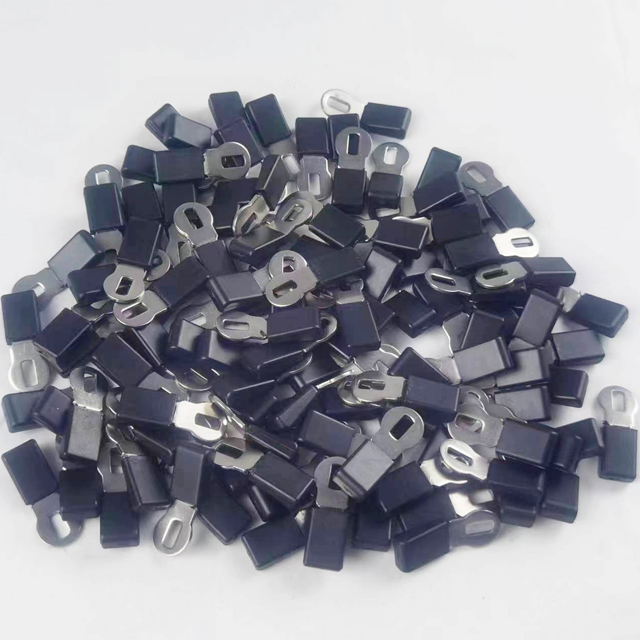
Pipe Bending Diameter
When deciding on hot-dip galvanizing, design engineers should ensure that the workpiece can accommodate the highest quality galvanizing requirements. Many structures and parts are manufactured using cold working techniques, including bending. Therefore, it is necessary to understand that the stresses induced during bending can lead to changes in structural shape and alignment during the galvanizing process, such as warping and twisting.
Best practice dictates maintaining a larger bending diameter before galvanizing the part. Setting a minimum bending radius of three times the section thickness helps ensure optimal performance of the galvanized coating, thereby improving overall quality.
During the hot-dip galvanizing process, the temperature cycle experienced by steel components (from ambient temperature to the molten zinc temperature exceeding 800°F/420°C, and then cooling back to ambient temperature) can lead to changes in mechanical properties. This change is particularly noticeable in cold-worked areas, such as the aging of bent sections, known as"strain aging embrittlement."When put into service after cold working and galvanizing, this embrittlement can lead to fracture of the bends, typically occurring at the bend toe where stress concentration is highest.
If the required bending radius exceeds three times the section thickness, it is recommended to heat treat the bent components before galvanizing to reduce the retained stress levels. To relieve these stresses, the components should be heat treated at 1100°F (593°C) for one hour per inch (2.5 cm) of section thickness. This effectively reduces the risk of fracture due to strain aging embrittlement during subsequent use.
FAQ:
1Q. What raw material are you looking for?
A: Different series of Carbon steel, stainless steel,SPCc, SGCc, pipe, galvanized.
2Q. What surface treatments are you looking for?
A: Anodizing,powder coating, polishing, zinc/nickel /chrome plating, hot dip galvanized, sandblasted ,etc.
3Q: What kind of service are you looking for?
A: Our company can provide OEM sheet metal fabrication,Sheet metal manufacturing comprehensive supporting supplier,Smart Device Overall Solution


