


Metal sheet bend processes, including large radius sheet metal bending, are essential for creating smooth, curved components in industries requiring precise and durable large radius bends.
Hongsinn-281
Transform Your Designs with Expert Metal Sheet Bending – Specializing in Large Radius Sheet Metal Bending for Smooth, Precise, and Durable Curved Components. Perfect for Industries Demanding Flawless Curves and Superior Quality.
Delivery
FOB
minimum order
1 piece
Supply Ability
5000piece / Week
Country of Origin
Shenzhen
Stock Time
7~15Day
Quantity:
US $0.50 - US $3.29 / piece
Metal sheet bend processes, including large radius sheet metal bending, are essential for creating smooth, curved components in industries requiring precise and durable large radius bends.
Metal sheet bending is a fundamental process in the fabrication industry, essential for shaping flat metal sheets into functional and aesthetically pleasing components. Among the various bending techniques, large radius sheet metal bending stands out for its ability to create smooth, sweeping curves that are both durable and precise. This article explores the intricacies of metal sheet bending, with a focus on large radius bending, and its significance in modern manufacturing.
Part Name | stamping parts. | |||
Materials | steel, stainless steel, brass, copper, bronze, aluminum, titanium, silicon steel, nickel plate etc... | |||
Tolerance | 0.01mm. | |||
Surface Treatment | brushing, polishing, electrophoresis, anodize, powder coating, silk screen, laser engraving etc... | |||
Quality System certificate | ISO 9001, ISO14001, REACH, RoHs. | |||
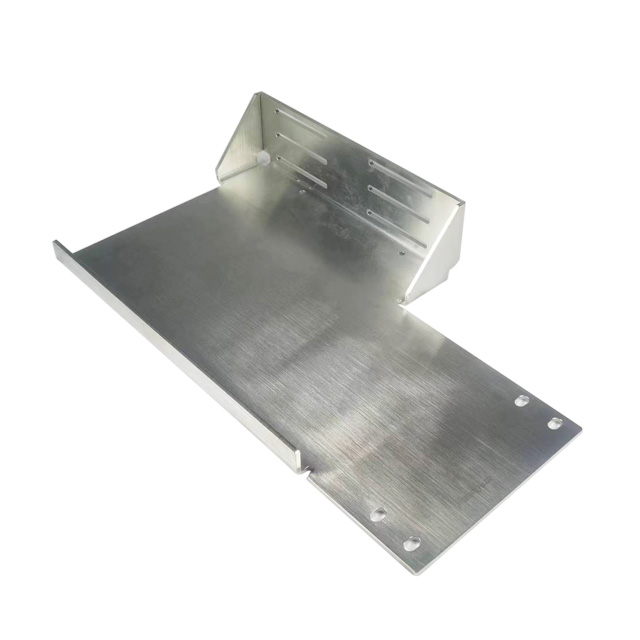
Two Important Considerations When Bending Large Radii:
When bending large radius metal sheets using a press brake, two aspects require particular attention:
Press Brake Selection: Choosing the appropriate radius is crucial to ensure the bending radius of the metal sheet meets our design requirements.
Die Design: This is even more critical than the first point. Based on the punch radius, a suitable V-die must be selected, and its angle must be carefully considered. This will directly affect the bending quality and accuracy of the metal sheet, ensuring the final product meets expectations.
Sheet Metal Bending Design Techniques: Best Practices and Technologies
Sheet metal bending is a crucial process for manufacturing strong, precise, and cost-effective parts. However, doing it correctly involves more than just applying force; it requires careful design, appropriate techniques, and a deep understanding of material behavior. Bending is one of the most common processes for forming sheet metal parts, involving fixing a flat sheet with a die or fixture and applying sufficient force to exceed the material's yield strength, resulting in plastic deformation. This process changes the geometry of the part (typically into a V-shape, U-shape, or channel) without changing the volume of the sheet metal.
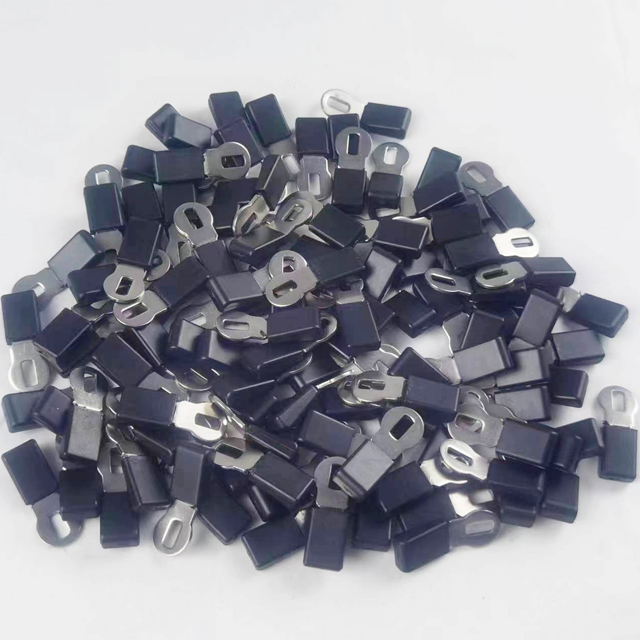
Sheet Metal Bending Techniques
Sheet metal bending is not a one-size-fits-all process. Various methods, such as air bending, bottoming, coining, or roll bending, each have unique implications for accuracy, springback, tooling requirements, and cost. Understanding these practical trade-offs helps engineers make better Design for Manufacturing (DfM) decisions during the design phase, optimizing production efficiency and product quality.
When designing sheet metal bends, considering the following aspects can improve overall results:
- Material Selection: The yield strength and ductility of different materials affect the bending results; the appropriate material should be selected based on specific needs.
- Bend Radius: An appropriate bend radius helps reduce stress concentration and the risk of cracking, preventing product failure.
- Springback Compensation: Considering the material's springback characteristics during design can effectively improve part accuracy.
- Tooling Design: Selecting appropriate dies and fixtures ensures stability and consistency during the manufacturing process.
- By combining these sheet metal bending design techniques and best practices, high-quality parts can be produced, meeting stringent production standards and market demands.
FAQ:
1Q. What raw material are you looking for?
A: Different series of Carbon steel, stainless steel,SPCc, SGCc, pipe, galvanized.
2Q. What surface treatments are you looking for?
A: Anodizing,powder coating, polishing, zinc/nickel /chrome plating, hot dip galvanized, sandblasted ,etc.
3Q: What kind of service are you looking for?
A: Our company can provide OEM sheet metal fabrication,Sheet metal manufacturing comprehensive supporting supplier,Smart Device Overall Solution


