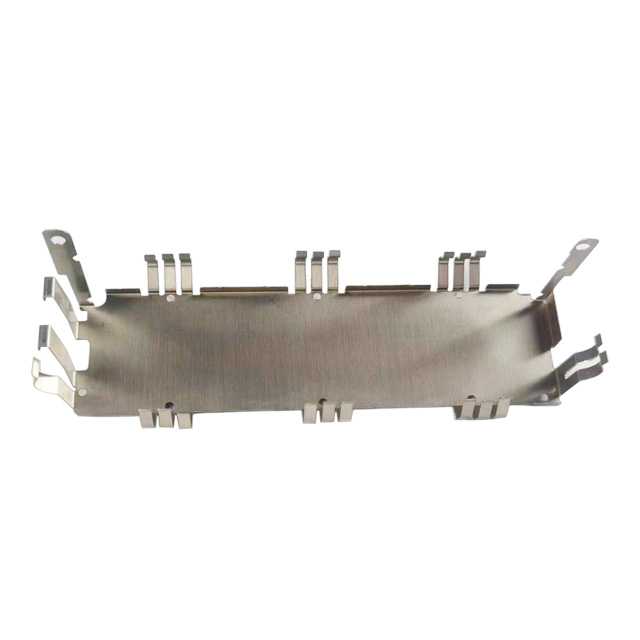
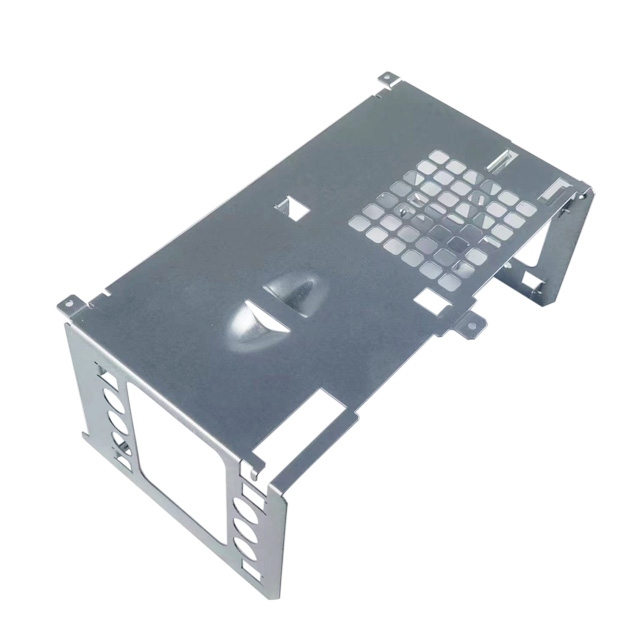
Exploring the Punching and Piercing Processes in Sheet Metal Fabrication for Precision Manufacturing.
Exploring the Punching and Piercing Processes in Sheet Metal Fabrication for Precision Manufacturing.
The punching process is a fundamental technique in sheet metal fabrication, essential for creating precise holes, shapes, and patterns in metal sheets. This article delves into the intricacies of the punching process, exploring its various techniques, applications across industries, and the numerous benefits it offers in manufacturing.
Processing | Stamping, Deep drawing, Laser cutting,Bending, Welding, Drilling, Grinding, Spinning,CNC etc |
Materials | Aluminum: 2000 series, 6000 series, 7075, 5052, etc. |
Stainless steel: SUS303, SUS304, SS316, SS316L, 17-4PH, etc. | |
Steel: 1214L/1215/1045/4140/SCM440/40CrMo, etc. | |
Brass: 260, C360, H59, H60, H62, H63, H65, H68, H70, Bronze, Copper | |
Titanium: Grade F1-F5 | |
Surface Treatment | Anodized, Bead Blasted, Silk Screen, PVD Plating, Zinc/Nickel/Chrome/Titanium Plating, Brushing, Painting, Powder Coated, |
Passivation, Electrophoresis, Electro Polishing, Knurl, Laser/Etch/Engrave etc. | |
Quality Assurance | ISO9001:2015, ISO13485:2016, SGS, RoHs, TUV |
Tolerance | +/-0.002~+/-0.005mm |
Techniques of the Punching Process
Single Punching: Single punching involves using a punch and die set to create a single hole or shape in a metal sheet. This straightforward technique is commonly used for creating individual features such as mounting holes or slots in sheet metal components.
Multiple Punching: Multiple punching involves the simultaneous use of multiple punches to create multiple holes or shapes in a single operation. This technique is efficient for producing patterns, perforations, and intricate designs on metal sheets with high precision.
Nibbling: Nibbling is a process where small, overlapping holes are sequentially punched along a contour to cut out complex shapes from a metal sheet. This technique is versatile and is often used for creating intricate profiles and irregular cuts in sheet metal.
Applications of the Punching Process
The punching process finds diverse applications across various industries, including automotive, aerospace, electronics, and construction. It is used in the production of components such as brackets, panels, enclosures, and chassis that require accurately placed holes, slots, and patterns for assembly and functionality.
Benefits of the Punching Process
- Precision: The punching process offers high precision and repeatability, ensuring consistent hole sizes and shapes in metal sheets.
- Efficiency: Punching is a fast and cost-effective method for creating holes and features in sheet metal, increasing productivity in manufacturing processes.
- Versatility: With the capability to produce a wide range of hole sizes and shapes, punching is a versatile process suitable for various design requirements in sheet metal fabrication.