


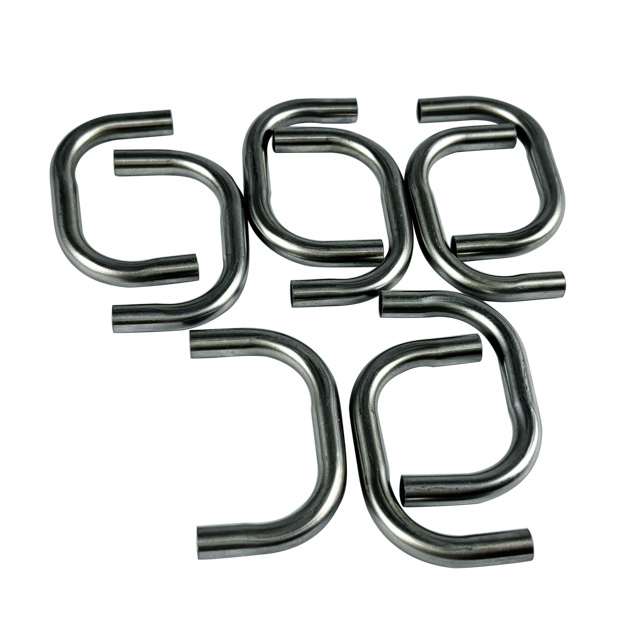
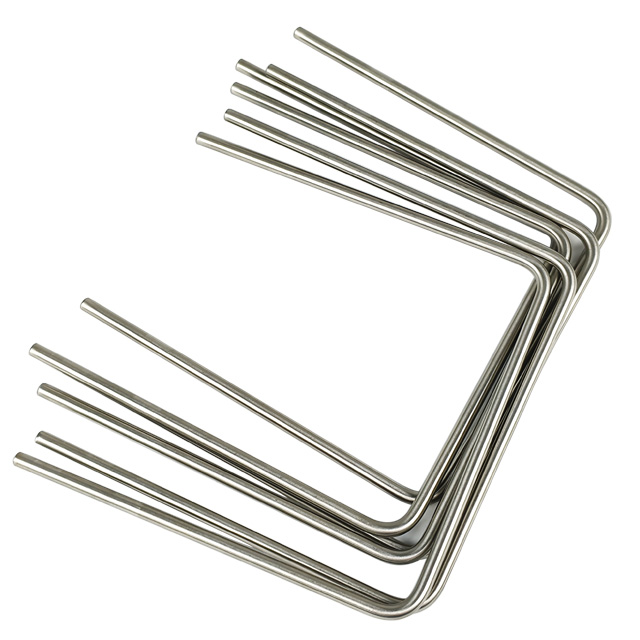
180-degree bend sheet metal, sheet metal bends, and industrial steel bending provide versatile solutions for precision manufacturing and structural applications.
Hongsinn-289
Unlock Precision and Strength with 180-Degree Sheet Metal Bends and Industrial Steel Bending – Versatile Solutions for Manufacturing and Structural Applications. Trust Us for High-Quality, Customized Results.
Delivery
FOB
minimum order
1 piece
Supply Ability
5000piece / Week
Country of Origin
Shenzhen
Stock Time
7~15Day
Quantity:
US $0.50 - US $1.29 / piece
180-degree bend sheet metal, sheet metal bends, and industrial steel bending provide versatile solutions for precision manufacturing and structural applications.
Sheet metal bending is a fundamental process in manufacturing, enabling the creation of components with precise shapes and angles. Techniques such as 180-degree bend sheet metal, sheet metal bends, and industrial steel bending are essential for producing versatile solutions that meet the diverse needs of industries like construction, automotive, and aerospace. This article explores these bending methods, their applications, and their role in delivering high-quality industrial solutions.
Processing | Stamping, Deep drawing, Laser cutting,Bending, Welding, Drilling, Grinding, Spinning,CNC etc |
Materials | Aluminum: 2000 series, 6000 series, 7075, 5052, etc. |
Stainless steel: SUS303, SUS304, SS316, SS316L, 17-4PH, etc. | |
Steel: 1214L/1215/1045/4140/SCM440/40CrMo, etc. | |
Brass: 260, C360, H59, H60, H62, H63, H65, H68, H70, Bronze, Copper | |
Titanium: Grade F1-F5 | |
Surface Treatment | Anodized, Bead Blasted, Silk Screen, PVD Plating, Zinc/Nickel/Chrome/Titanium Plating, Brushing, Painting, Powder Coated, |
Passivation, Electrophoresis, Electro Polishing, Knurl, Laser/Etch/Engrave etc. | |
Quality Assurance | ISO9001:2015, ISO13485:2016, SGS, RoHs, TUV |
Tolerance | +/-0.002~+/-0.005mm |
Stainless Steel Sheet Metal Bending Techniques
V-Bending
V-bending is one of the most common methods for bending stainless steel sheet metal. In this process, the metal is pressed into a V-shaped die, completing the bend. This method is suitable for both simple and complex parts and is popular due to its low cost and ease of operation. V-bending excels in controlling the bending angle and is particularly suitable for medium-thickness materials.
Air Bending
Unlike bottoming and coining, in air bending, the punch does not fully contact the sheet metal. The edges of the die clamp the sheet, creating an air gap beneath it to achieve the bend. This method offers greater tool flexibility and reduces the force required. Generating different angles with similar tooling is a significant advantage.
Unlike bottoming and coining, in air bending, the punch does not fully contact the sheet metal. The edges of the die clamp the sheet, creating an air gap beneath it to achieve the bend. This method offers greater tool flexibility and reduces the force required. Generating different angles with similar tooling is a significant advantage.
Bottoming and Coining
Bottoming techniques allow the sheet metal to completely fill the die cavity, while coining ensures the metal maintains the bent angle within the die. Compared to air bending, this method requires more force but provides higher precision and less springback, making it ideal for parts requiring tight tolerances.
Bottoming techniques allow the sheet metal to completely fill the die cavity, while coining ensures the metal maintains the bent angle within the die. Compared to air bending, this method requires more force but provides higher precision and less springback, making it ideal for parts requiring tight tolerances.
Roll Bending
In roll bending, thin sheets are slowly rolled between multiple rollers to form a curved shape, suitable for creating large radius or cylindrical parts. This method is particularly suitable for architectural panels, tanks, and curved enclosures, producing smooth, uniform curves and avoiding sharp angles.
In roll bending, thin sheets are slowly rolled between multiple rollers to form a curved shape, suitable for creating large radius or cylindrical parts. This method is particularly suitable for architectural panels, tanks, and curved enclosures, producing smooth, uniform curves and avoiding sharp angles.
U-Bending
The challenges in stainless steel bending lie in the material strength, work hardening rate, and the impact of springback on accuracy. U-bending involves punching and die processes to form durable U-shaped profiles, suitable for supporting or enclosing structures.
The challenges in stainless steel bending lie in the material strength, work hardening rate, and the impact of springback on accuracy. U-bending involves punching and die processes to form durable U-shaped profiles, suitable for supporting or enclosing structures.
Rotary Bending
Rotary or rotary draw bending utilizes rollers that rotate along the bending direction, proving highly effective in creating tight radii or complex geometries. This method reduces surface scratching and springback, making it suitable for parts with high aesthetic requirements or polished finishes.
Rotary or rotary draw bending utilizes rollers that rotate along the bending direction, proving highly effective in creating tight radii or complex geometries. This method reduces surface scratching and springback, making it suitable for parts with high aesthetic requirements or polished finishes.
Edge Bending
Edge bending refers to forming sharp, clean edges on sheet metal using a press brake. This method is suitable for forming brackets, stiffeners, or box sections and is a good choice for achieving neat, straight-edge bends.
Edge bending refers to forming sharp, clean edges on sheet metal using a press brake. This method is suitable for forming brackets, stiffeners, or box sections and is a good choice for achieving neat, straight-edge bends.
FAQ:
1Q. What raw material are you looking for?
A: Different series of Carbon steel, stainless steel,SPCc, SGCc, pipe, galvanized.
2Q. What surface treatments are you looking for?
A: Anodizing,powder coating, polishing, zinc/nickel /chrome plating, hot dip galvanized, sandblasted ,etc.
3Q: What kind of service are you looking for?
A: Our company can provide OEM sheet metal fabrication,Sheet metal manufacturing comprehensive supporting supplier,Smart Device Overall Solution


