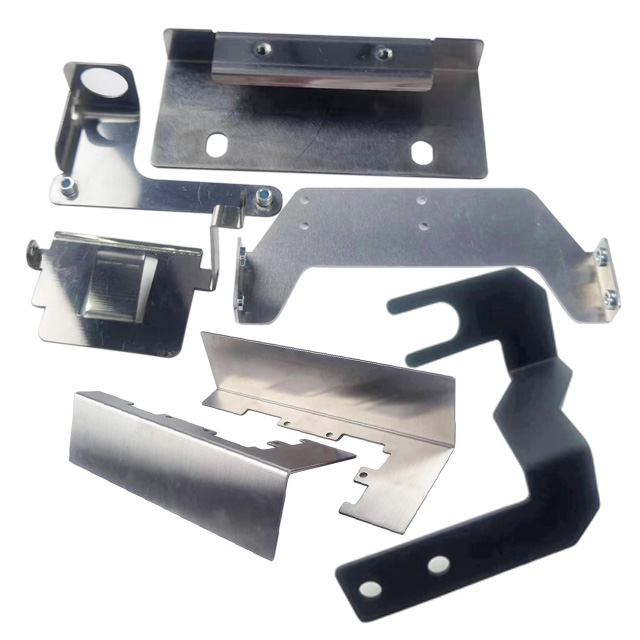
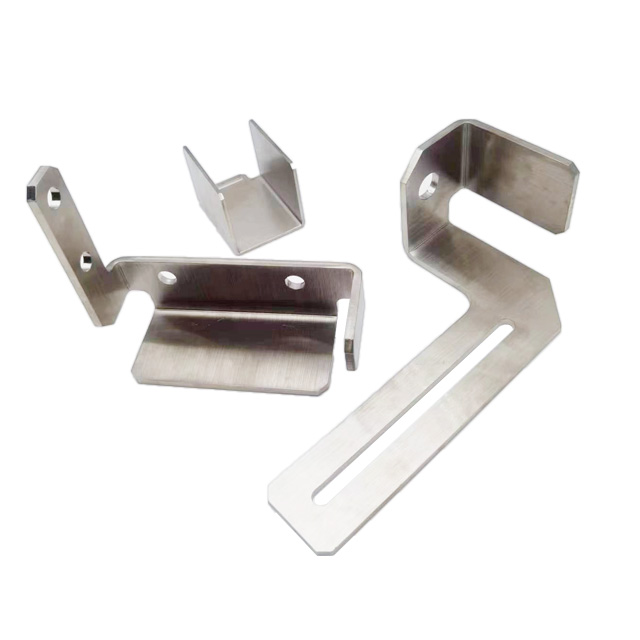
Sheet metal extrusion, embossing, and drawing processes shape metal with precision.
Sheet metal extrusion, embossing, and drawing processes shape metal with precision.
In the realm of metal fabrication, the sheet metal drawing process stands out as a crucial technique for transforming flat metal sheets into intricate and precise components. This method, also known as deep drawing, involves the use of specialized tools and machinery to shape metal sheets into desired forms, creating components with high dimensional accuracy and intricate designs.
Available Materials | Metal Parts: aluminum,steel,stainless steel,brass,copper,iron, etc. Plastic Parts: PC, PP, ABS, PMMA, PA, POM, PC+ABS, rubber, etc. |
Surface Treatment | Powder coating,Anodizing(Oxidation),Sandblasting,Brushing,Painting, Passivation,Silk screen,Polishing,Blacking,Galvanise,(Nickel/Tin/Chrome/Copper) Plating, etc. |
Tolerance | ±0.01mm |
Lead Time | Sample: within 10 days. Mass Production: within 10-25 days after receiving the deposit Rush Services Available |
Payment Terms | T/T : 40% advanced payment with the order, the balanced 60% before shipping; Paypal L/C |
Industry Focus | Appliance/ Automotive/ Agricultural/Electronics/ Industrial/ Marine/Mining/ Hydraulics/ Valves/Oil and Gas/ Electrical/ Construction/ machinery/furniture/ toy/ woodboard/ wall/ agricultural |
Intended Applications | Auto parts ; Household Electric Appliances ; Medical equipments ; Fitness equipments ; Electrical machinery ; 3D printer ; Computer case ; Desktop computer ; Electrial Cabinet/box ; Electronic product; Network chassis ; Servers rack; Medicine cabinet ; Industrial manipulative computer; Machine enclosure and Frame; Tool Cabinet and chest ; Mountain /wall bracket; |
Understanding the Sheet Metal Drawing Process
The sheet metal drawing process involves the following key steps:
Material Selection: Choosing the right type of metal sheet is essential for the drawing process. Factors such as material thickness, ductility, and strength are considered to ensure the final component meets the required specifications.
Tool and Die Design: Customized tooling, including dies and punches, is designed to create the desired shape and features on the metal sheet. The die set controls the metal flow during the drawing process, shaping it into the desired form.
Blanking: The first step in the drawing process involves cutting the metal sheet into a blank of the required size and shape. This blank will serve as the starting point for the forming operations.
Drawing Operation: The blank is placed over a die cavity and subjected to compressive forces using a punch. As the punch descends, the metal sheet is forced into the die cavity, causing it to stretch and conform to the shape of the cavity.
Trimming and Finishing: Once the drawing operation is complete, excess material is trimmed off, and any necessary finishing operations, such as deburring or surface treatments, are performed to achieve the final component's desired specifications.
Applications of Sheet Metal Drawing
The sheet metal drawing process finds extensive applications in various industries, including automotive, aerospace, electronics, and appliance manufacturing. Components produced through deep drawing include automotive body panels, kitchen sinks, metal enclosures, and precision parts used in machinery and equipment.
Advantages of Sheet Metal Drawing
High Precision: The sheet metal drawing process allows for the production of components with tight tolerances and complex shapes, ensuring high precision and dimensional accuracy.
Material Efficiency: Deep drawing minimizes material waste since it involves shaping the metal sheet into the final component without the need for extensive machining or material removal.
Cost-Effective Production: By eliminating the need for multiple manufacturing steps, sheet metal drawing reduces production time and costs associated with producing intricate metal components.