Online Sheet Metal Processing & Fabrication
Hongsinn-759
Choose our sheet metal fabrication company for expert processing and outstanding results. We specialize in custom solutions tailored to your needs, ensuring efficiency and quality at every step. Get in touch for a quote!
Delivery
FOB
minimum order
1 piece
Supply Ability
5000piece / Week
Country of Origin
Shenzhen
Stock Time
7~15Day
Quantity:
US $0.59 - US $10.68 / piece
Online Sheet Metal Processing & Fabrication
Thesheet metal fabrication industry has undergone a significant transformation in recent years, evolving from a traditional shop-based operation to a sophisticated digital enterprise. Understanding modern sheet metal fabrication methods, the rise of online sheet metal fabrication, and how to choose the right sheet metal fabrication company is crucial for businesses seeking high-quality metal parts.

Sheet metal fabrication is the process of producing sheet metal parts by cutting, bending, and forming thin sheets of metal into specific shapes and sizes. This process typically involves coating, cutting, bending, and assembly techniques. Sheet metal can be made from a variety of materials, including steel, aluminum, zinc, and copper, and its thickness can range from a few thousandths of an inch to several millimeters.
Sheet metal parts are widely used in applications such as automobiles, construction, aircraft, and other electrical appliances. The manufacturing process typically begins by selecting the metal and cutting it to the desired size and shape. Next, the metal is formed into the final product through various techniques, such as rolling, extrusion, and bending. These final products can range from simple flat sheets to complex three-dimensional structures.
What is sheet metal? How is it made?
Sheet metal is a thin, flat metal material. It is produced through industrial hot and cold rolling equipment. Sheet metal is a fundamental form of metalworking, capable of being cut and bent into a variety of shapes.
To produce sheet metal, hot metal sheets first pass through a series of roughing machines to make them thinner and longer. Next, these sheets pass through finishing rollers to reduce their weight and ensure a smooth surface. Finally, after cooling, these thin sheets are rolled into coils for easy transportation and subsequent processing.
|
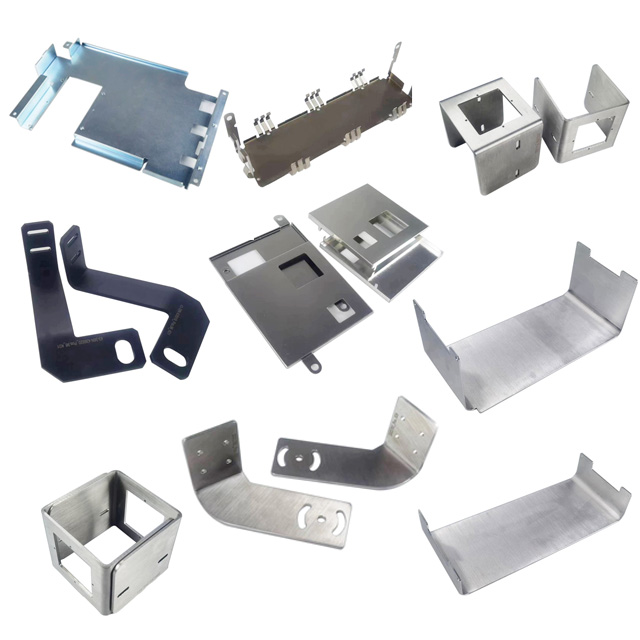
Sheet Metal Fabrication can be made of stainless steel, carbon steel. aluminum, galvanized steel. etc.
Pls Send us your drawing or sketch, we can make sample for your testing quality before mass production.
We also make other sheet metal fabrication products. For example, laser cutting parts, bending parts, welding parts,
Most Popular is electric box enclosure, metal battery cabinet welcome in Australia, USA, please Contact Us for more details
We also make other sheet metal fabrication products. For example, laser cutting parts, bending parts, welding parts,
Most Popular is electric box enclosure, metal battery cabinet welcome in Australia, USA, please Contact Us for more details
What is sheet metal fabrication?
Sheet metal fabrication is the process of creating parts, assemblies, and structures from sheet metal, encompassing a wide range of operations. As the name suggests, this fabrication process is specific to metals. The starting material is typically flat sheets of metal of varying sizes, thicknesses, and metal types, depending on the project and the end product's application.
During sheet metal fabrication, flat sheets of metal undergo a variety of processing stages to achieve the desired size, shape, pattern, and geometry. Sheet metal fabricators cut, form, and assemble flat sheet metal to produce a variety of parts and structures, including:
Containers, Chassis, Shells, Frames, Brackets,Roadblocks,Vents,anels.This flexible fabrication method has led to the widespread application of sheet metal across various industries.
Post-Processing in Sheet Metal Fabrication
Post-processing in sheet metal fabrication refers to operations performed after fabrication to enhance the quality of the resulting part. These post-processing operations can be aesthetic, improving the part's appearance, or functional, imparting desired properties and functionality.
The most common post-processing operations in sheet metal fabrication include:
Heat treatments, such as annealing, tempering, and hardening, enhance the metal's mechanical properties.
Surface treatments, such as coating, anodizing, and electroplating, enhance corrosion resistance, wear resistance, or aesthetics.
These post-processing steps are crucial to ensuring that the part's performance and appearance meet the demands of a specific application.