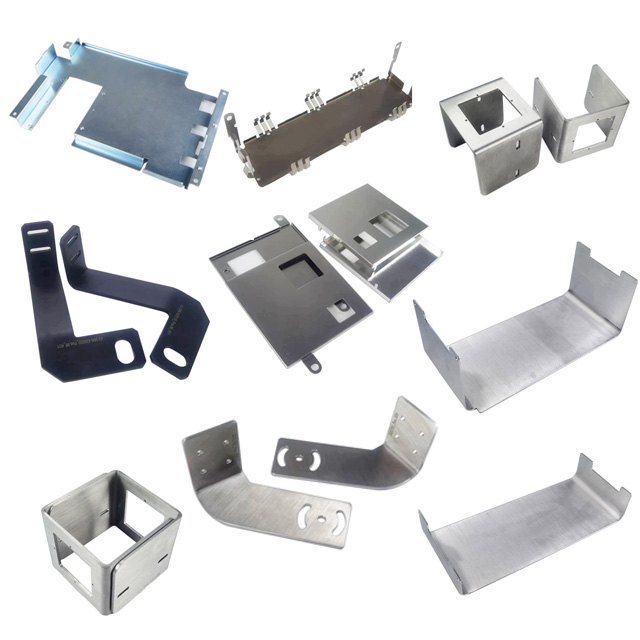
Exploring the Sheet Metal Production Process with a Focus on Punching and Essential Processing Equipment.
Exploring the Sheet Metal Production Process with a Focus on Punching and Essential Processing Equipment.
Part Name | Custom Precision Sheet Metal Parts |
Material | Carbon steel, SPCC, SGCC, Stainless steel, Aluminum,Brass, Copper, Titanium, Alloy etc. |
Process | Laser Cutting, Precision Stamping, Bending, Welding, CNC milling, CNC Tuming, Threading, Riveting, Drilling, CNC Punching, Die Casting etc. |
Surface treatment | Natural, Anodizing, Powder Coating, Sandblasting, Electrophoresis, passivation, Zinc/Chrome/Nickel Plating, Vacuum Plating, Brushing, Polishing etc. |
MOQ | 1 PC |
Size | Customized Size |
Color | RAL, Pantone, RGB, CMYK |
Logo | Silk screen, Laser engrave |
Drawing format | STEP, DWG, DXF, IGS, 3DSSTL, SKP, AI, PDF |
Package | Carton, Wooden Box or As Request |
Place of Origin | Shenzhen,China |
Service | OEM/ODM |
Understanding the Sheet Metal Production Process:
The sheet metal production process encompasses a series of steps that seamlessly convert raw metal sheets into functional components. These steps typically include cutting, bending, forming, and assembling, each requiring precision and expertise to achieve the desired outcome.
Key Stages in Sheet Metal Production:
Design and Planning: The process begins with meticulous design and planning, where engineers and designers conceptualize the final product and create detailed blueprints outlining dimensions, materials, and manufacturing specifications.
Material Selection: Choosing the right material is crucial in sheet metal production. Factors such as strength, durability, corrosion resistance, and cost-effectiveness play a pivotal role in determining the type of metal best suited for the intended application.
Cutting and Shearing: Metal sheets are cut and shaped according to the design specifications using various cutting techniques such as laser cutting, plasma cutting, or shearing. Precision cutting is essential to ensure accurate dimensions and smooth edges.
Bending and Forming: Bending and forming processes involve shaping the metal sheets into the desired contours and angles. Techniques like press braking, roll forming, and stamping are employed to achieve precise bends and curves in the metal.
Welding and Assembly: Welding techniques like MIG, TIG, or spot welding are used to join metal components together. Assembly involves bringing together individual parts to create the final product, ensuring structural integrity and functionality.
Role of Sheet Metal Processing Equipment:
Sheet metal processing equipment plays a critical role in streamlining the production process and enhancing efficiency. Machinery such as CNC machines, press brakes, shearing machines, and punching equipment automate various tasks, reducing production time and improving accuracy.
Applications of Sheet Metal Production:
The versatility of sheet metal production makes it indispensable across a multitude of industries. From automotive and aerospace to construction and electronics, sheet metal components find applications in manufacturing equipment, structural frameworks, enclosures, and consumer products.
Quality Control and Inspection:
Quality control measures are paramount in sheet metal production to uphold standards of precision and durability. Inspection processes, material testing, and adherence to industry regulations ensure that finished products meet performance criteria and customer expectations.