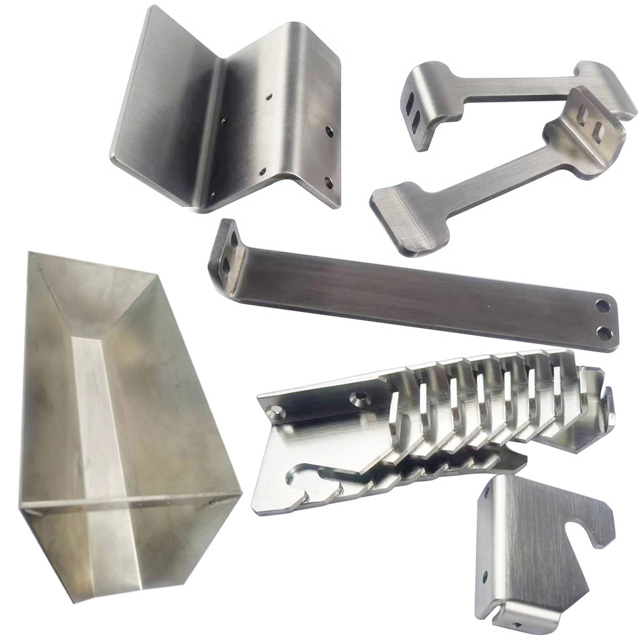
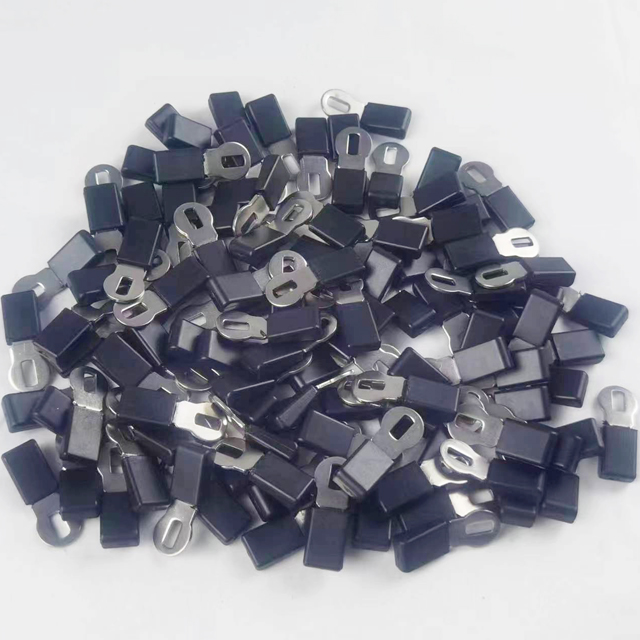
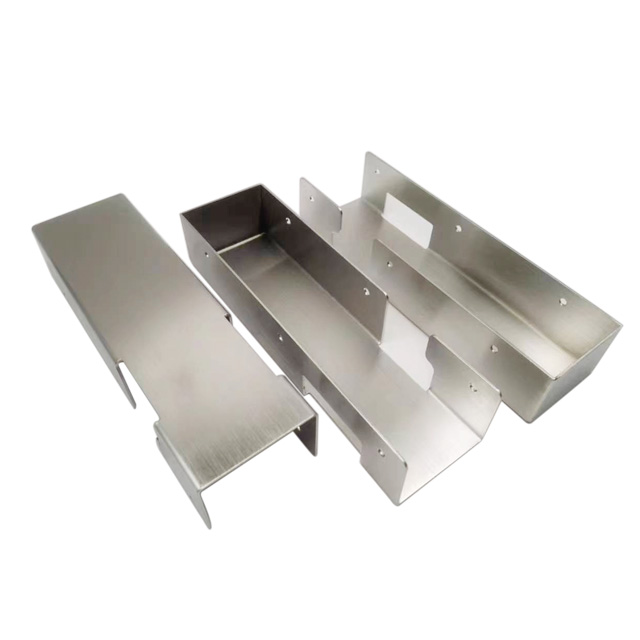
Explore Beading, Trimming, and Swaging Processes for Sheet Metal Fabrication.
Explore Beading, Trimming, and Swaging Processes for Sheet Metal Fabrication.
Processing | Stamping, Deep drawing, Laser cutting,Bending, Welding, Drilling, Grinding, Spinning,CNC etc |
Materials | Aluminum: 2000 series, 6000 series, 7075, 5052, etc. |
Stainless steel: SUS303, SUS304, SS316, SS316L, 17-4PH, etc. | |
Steel: 1214L/1215/1045/4140/SCM440/40CrMo, etc. | |
Brass: 260, C360, H59, H60, H62, H63, H65, H68, H70, Bronze, Copper | |
Titanium: Grade F1-F5 | |
Surface Treatment | Anodized, Bead Blasted, Silk Screen, PVD Plating, Zinc/Nickel/Chrome/Titanium Plating, Brushing, Painting, Powder Coated, |
Passivation, Electrophoresis, Electro Polishing, Knurl, Laser/Etch/Engrave etc. | |
Quality Assurance | ISO9001:2015, ISO13485:2016, SGS, RoHs, TUV |
Tolerance | +/-0.002~+/-0.005mm |
Understanding the Swaging Process
Swaging is a metal forming process that reshapes the metal workpiece by applying radial compressive forces. This process can be performed using different methods, such as rotary swaging, radial swaging, and hammer swaging, each offering unique advantages for specific applications.
Types of Swaging Techniques
Rotary Swaging: In rotary swaging, the workpiece is rotated and formed by multiple dies that gradually reduce its diameter. This technique is commonly used for producing long, continuous profiles and intricate shapes with high precision.
Radial Swaging: Radial swaging involves compressing the workpiece radially between a set of dies to achieve the desired diameter reduction. This method is suitable for forming tubular or cylindrical components with uniform wall thickness.
Hammer Swaging: Hammer swaging utilizes impact force from a hammer or press to reshape the workpiece. This technique is ideal for quick and efficient forming of small to medium-sized components.
Advantages of Swaging
Enhanced Strength: Swaging improves the mechanical properties of the metal by work-hardening it during the forming process, resulting in components with increased strength and durability.
Tight Tolerances: Swaging allows for precise control over the dimensions and tolerances of the final product, ensuring consistency and accuracy in manufacturing.
Cost-Effective Production: Swaging is a cost-effective manufacturing process that enables efficient production of complex shapes and profiles with minimal material waste.
Applications of Swaging
Swaging is utilized in a wide range of industries, including aerospace, automotive, construction, and electronics, for manufacturing components such as shafts, tubes, connectors, and fasteners. Its ability to produce high-strength, seamless parts makes it a preferred method for critical applications where precision and reliability are paramount.
Quality Control and Precision
Maintaining quality control measures throughout the swaging process is essential to ensure the integrity and performance of the finished components. Inspection techniques, such as dimensional checks, surface analysis, and material testing, help verify the quality and accuracy of swaged parts.