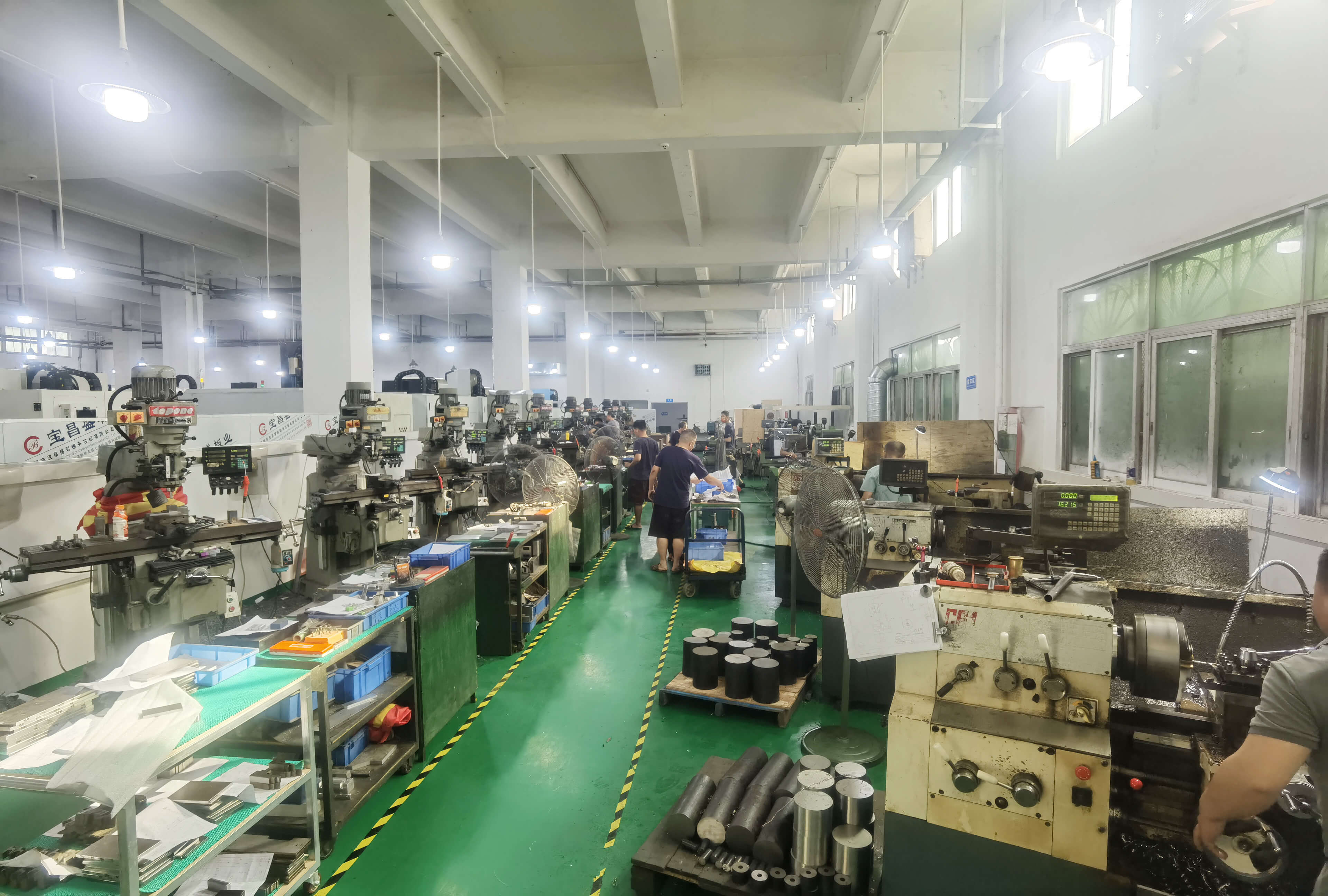
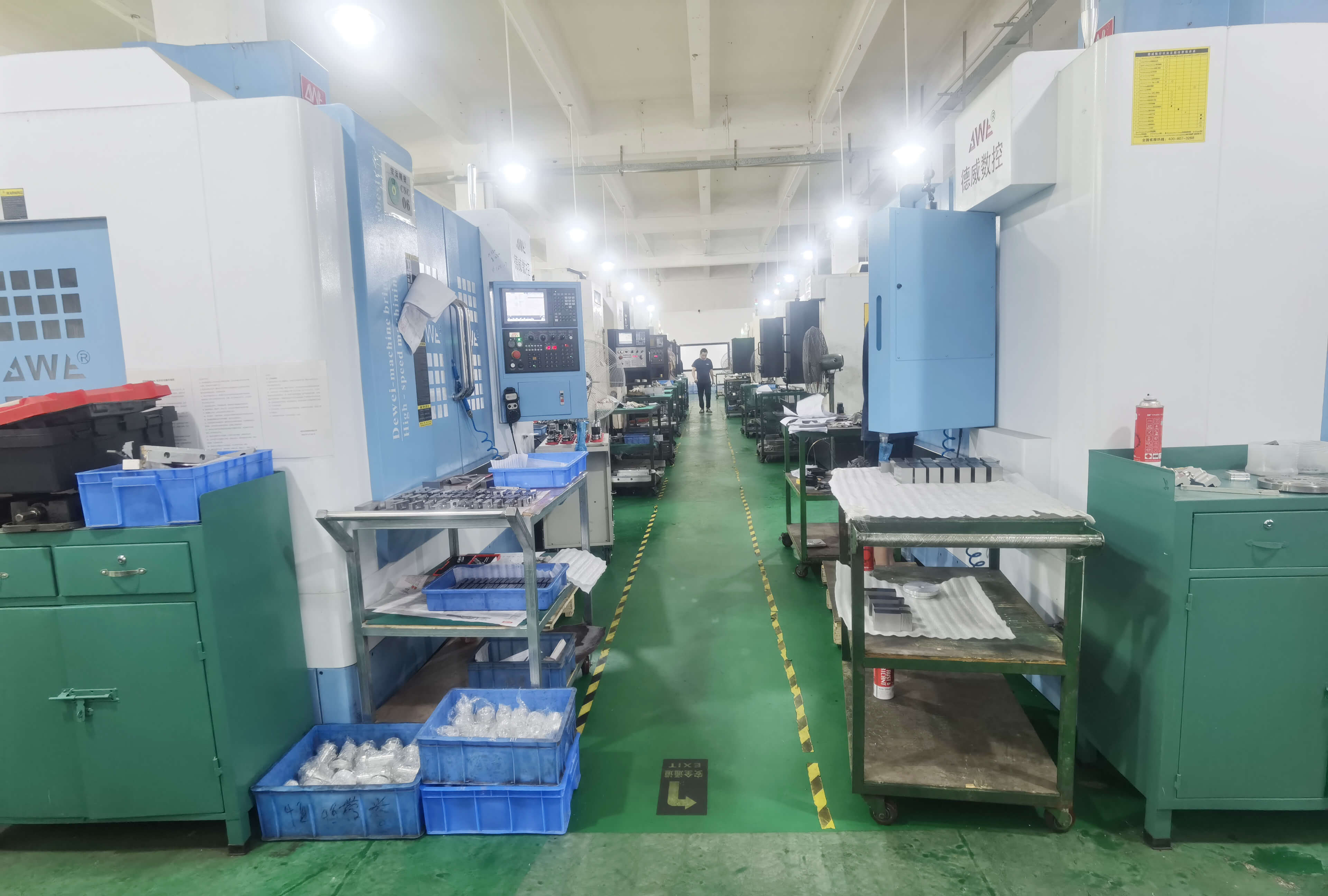
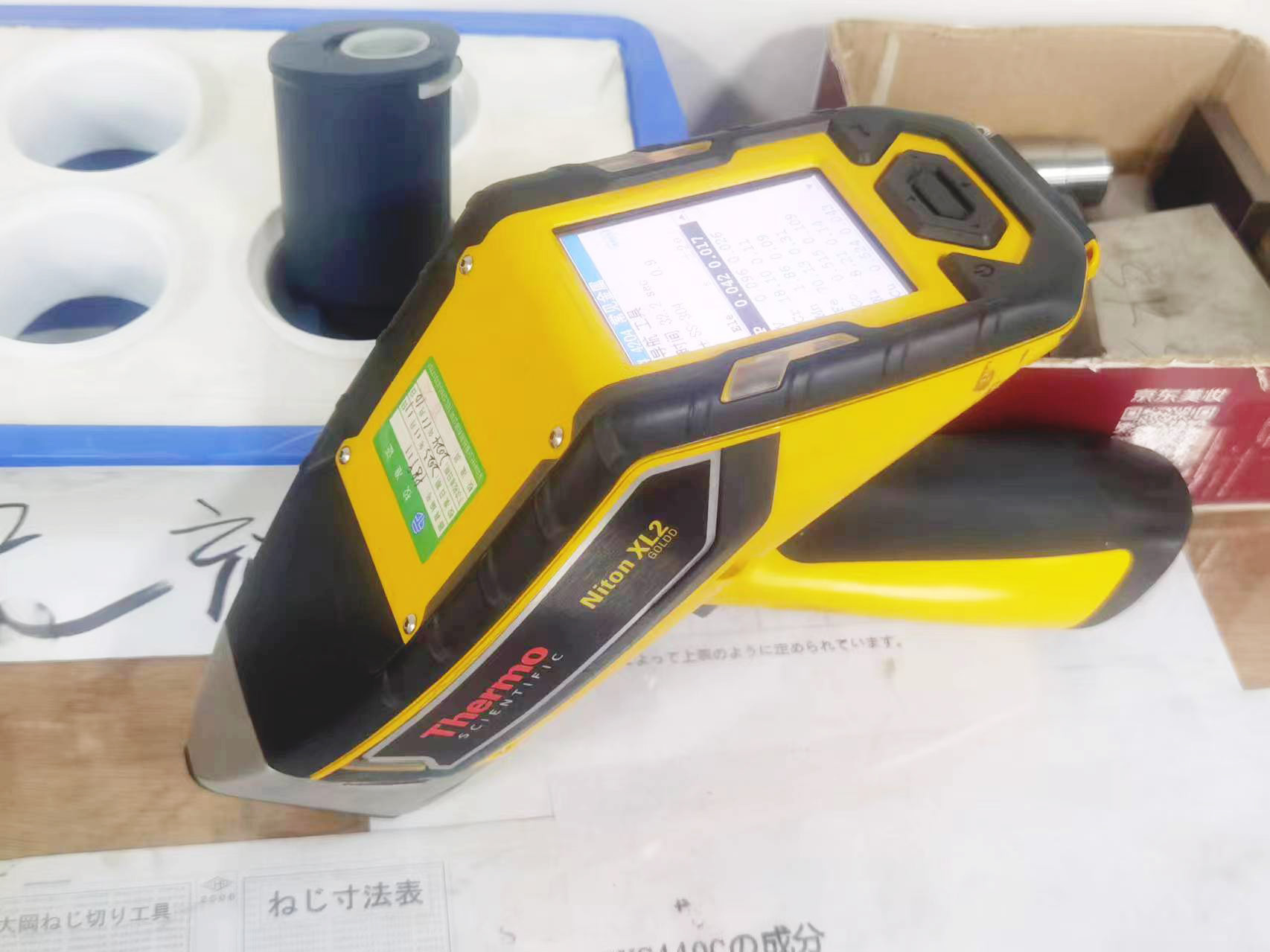
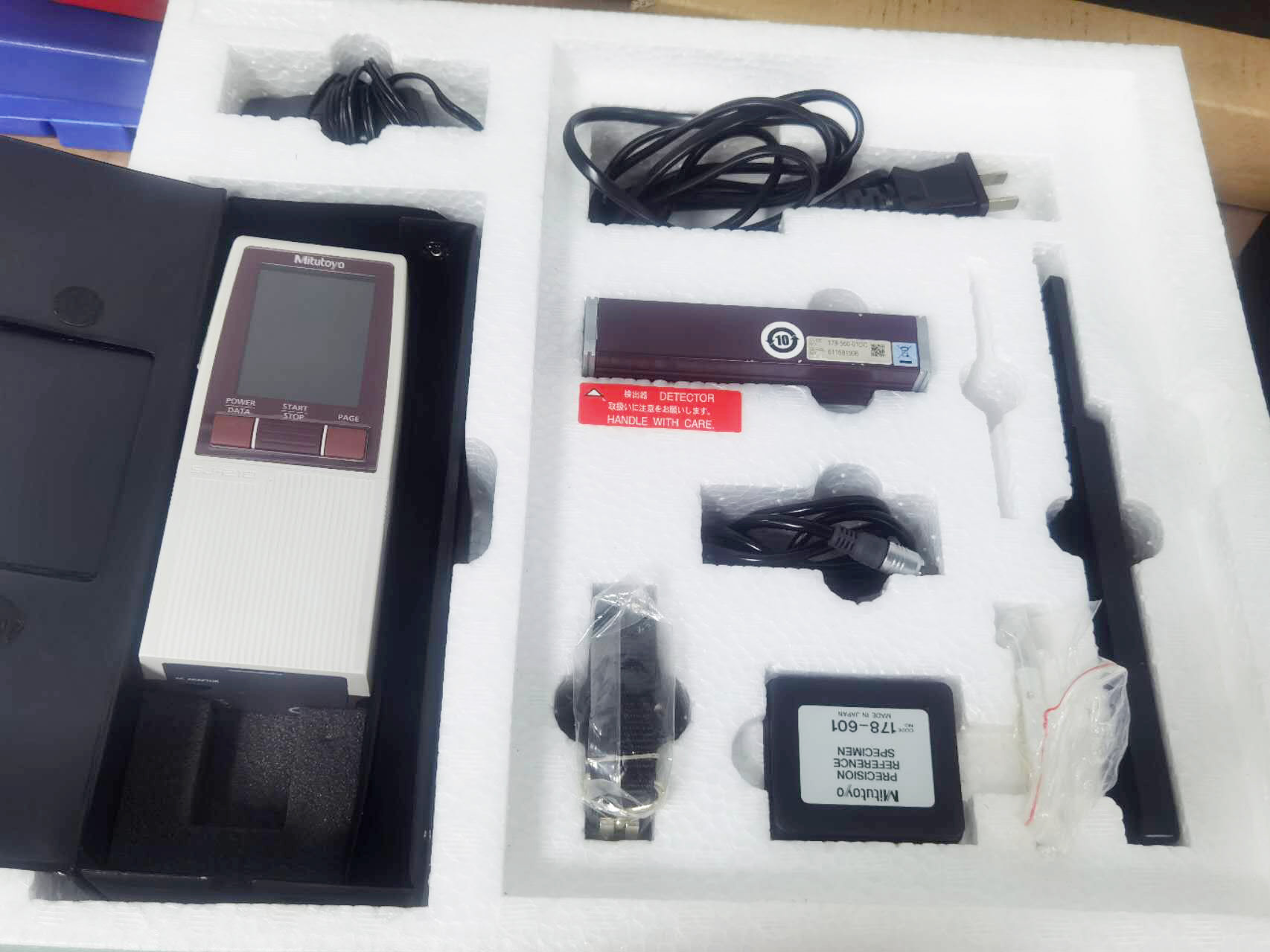
Offering a wide range of welding expertise, including titanium and local stainless steel welding, as well as spot welding services.
For titanium welding services, stainless steel welding services near me, and reliable spot welding services, trust our precision and expertise for your metal joining needs.
Quotation | According to your drawing(size, material, thickness, processing content, and required technology, etc) |
Material | Carbon steel, SPCC, SGCC, Stainless steel, Aluminum, Brass, Copper, etc. |
Processing | Laser Cutting, Precision Stamping, Bending, CNC Punching, Threading, Riveting, Drilling, Welding etc |
Surface Treatment | Brushing, Polishing, Anodizing, Powder Coating, Plating, Silkscreen printing, Sandblast, etc |
Tolerance | +/-0.2mm,100% QC quality inspection before delivery, can provide quality inspection form |
Logo | Silk print, Laser marking. |
Size | Accept custom size. |
Color | White, black,silver, red, grey, Pantone and RAL, etc |
Drawing format | DWG, DXF, STEP, IGS, 3DS, STL, SKP, AI,PDF, JPG, Draft. |
Sample lead time | No surface treatment, 1-7 workdays. Require surface treatment, 3-10 workdays. |
Pricing Term | EXW, FOB, CIF, etc |
Packing | By carton or as your request |


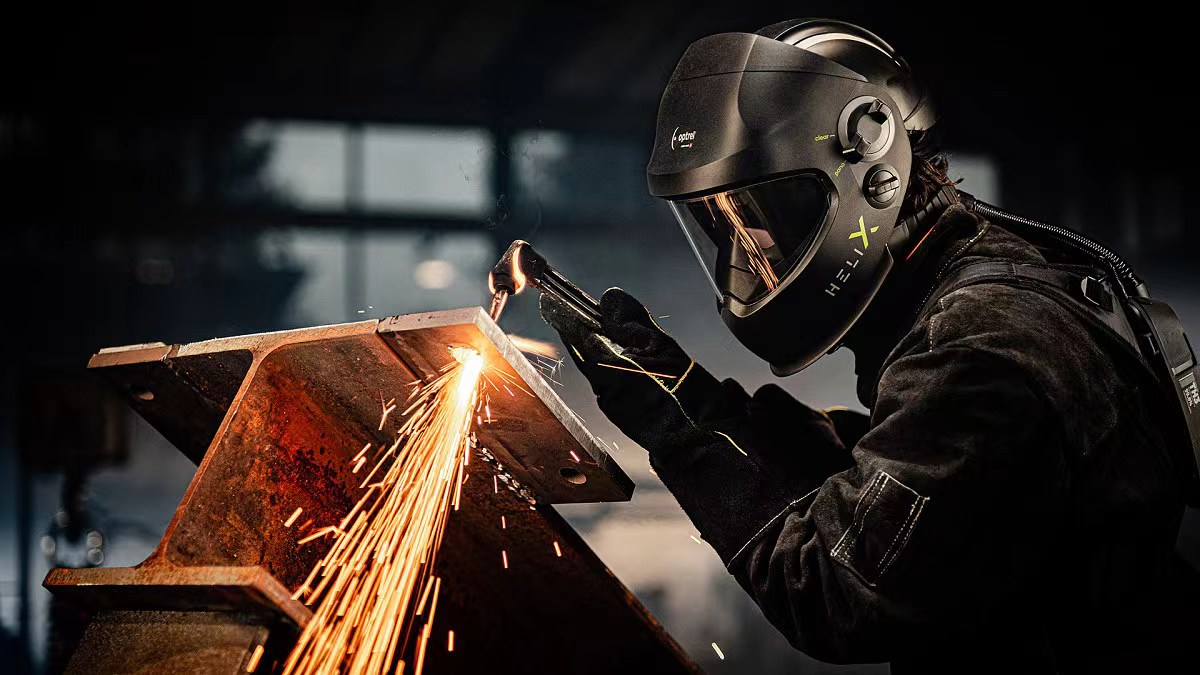
Despite its seemingly straightforward nature, welding poses various challenges, with contamination standing out as a significant issue. As a result of these welding challenges, multiple welding methods have emerged, each tailored for specific purposes, optimal conditions, and suitable welding surfaces. Explore our comprehensive guide to discover five distinct types of welding services in industrial fabrication and gain insights into the welding process at large.
Gas Metal Arc Welding (GMAW), also known as MIG welding (Metal Inert Gas), is a welding technique that shares some similarities with stick welding but differs in key aspects. In GMAW, an electrode gradually melts onto the base material during the welding process.
Unlike stick welding, the GMAW electrode lacks a shielding flux coating. To compensate for this absence, welders introduce external shielding gases, typically inert helium or argon. Similarly, Metal Active Gas (MAG) welding utilizes external gases, but in this case, a mixture of oxygen, carbon dioxide, and argon.
GMAW is particularly effective for welding thinner metal components such as sheet metal or tubing. It is well-suited for indoor welding applications and necessitates thorough cleaning of the base surface before commencing welding operations.
Gas Tungsten Arc Welding
Gas Tungsten Arc Welding (GTAW), commonly known as TIG welding (Tungsten Inert Gas), is a sophisticated industrial welding process that demands precision and expertise to excel. Similar to GMAW, TIG welding relies on an external shielding gas and meticulous surface cleaning to prevent contamination.
In contrast to many welding techniques, TIG welding doesn't always necessitate the continuous use of filler material. When joining larger metal components, welders manually feed a filler rod matching the base material while operating the welding torch. For thinner, delicate metals, the filler may be omitted. Additionally, unlike other methods, the tungsten electrode in TIG welding does not melt during the process due to tungsten's exceptionally high melting point.
Mastering TIG welding requires skill and practice but results in refined and accurate welds. The manual control over introducing filler material and the use of a shorter tungsten electrode make TIG welding ideal for achieving pristine finishes on external surfaces that demand precision.
Flux Cored Arc Welding
Flux Cored Arc Welding (FCAW) is a welding technique that represents an advancement from traditional methods like MIG and SMAW. Unlike SMAW, which uses a flux-coated filler, FCAW employs a filler with a core of flux material enclosed in a tube.
FCAW comes in two variations: self-shielded (FCAW-S) and gas-shielded (FCAW-G). FCAW-S relies on the flux core for shielding as it melts and forms a protective barrier, while FCAW-G combines the flux core with external gas shielding.
Although FCAW can be more expensive, it offers faster welding speeds compared to MIG and SMAW. It provides consistent and reliable results that are unaffected by changing environmental conditions. If you are working with thick metals requiring deep penetration for strong fusion, FCAW is a suitable choice.
Submerged Arc Welding (SAW) distinguishes itself from many welding methods by its mechanized approach rather than manual operation. Engineers meticulously set welding parameters and then let the process run automatically, demanding precision in setup.
In SAW, the term"submerged"refers to the initial step where a granular flux blanket coats the welding area before the wire electrode makes contact. This flux layer shields the weld from contaminants and is why the actual welding action is not visibly apparent—the entire surface is covered. Unlike other techniques, no external shielding gas is required due to this comprehensive flux protection.
SAW offers advantages such as rapid and uniform deposition, minimizing room for human error when properly programmed. While its automation is beneficial, it does limit the range of weld positions feasible. SAW excels in applications requiring regulated, circular welds around cylindrical structures like pipes, as well as in straight-line welding scenarios.
Opting to hire a welding contractor instead of attempting welding tasks on your own can bring numerous advantages. Welding professionals possess extensive experience in industrial welding and have access to a wide range of tools, enabling them to select the most suitable welding method for your specific requirements.
When you engage with Hongsinn, you gain access to comprehensive specialty on-site welding services along with expertise in pipe design and installation, custom machining, valve repair, and various other services. By developing a long-term relationship with our team, they become intimately familiar with your facility, enabling them to respond effectively in case of any issues—knowledge that an external contractor may lack. This insider understanding makes selecting a contractor like us a straightforward choice. Additionally, if you require assistance with your gas turbine exhaust system or other gas path solutions, we are equipped to support you in those areas as well.