Aluminum Sheet Bending, Techniques for Sheet Metal and Metal Bending
HS-88
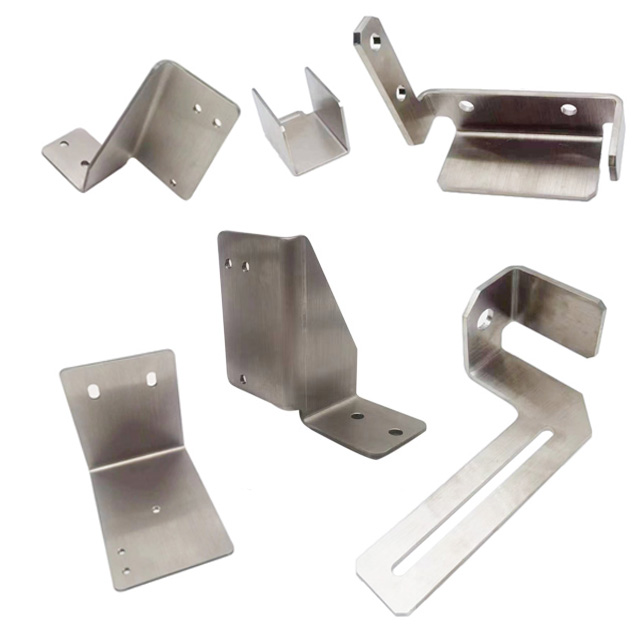
Discover OEM custom metal parts services for aluminum and stainless steel, including frame bracket bending, welding, fabrication, and metal stamping kits.
Delivery
FOB
minimum order
1 piece
Supply Ability
5000piece / Week
Country of Origin
Shenzhen
Stock Time
7~15Day
Quantity:
US $0.29 - US $8.79 / piece
Product description
Bending pieces in machining production can often be seen, such as metal to complete V, U, and so on. In the general common situation, there are two methods of metal bending, one is mold bending, the other is bending machine bending, the former is suitable for complex structures, small volume, a large volume of processing. The latter is suitable for processing structures with large sizes and small output. For bending parts processing technology.
One, bending machine bending
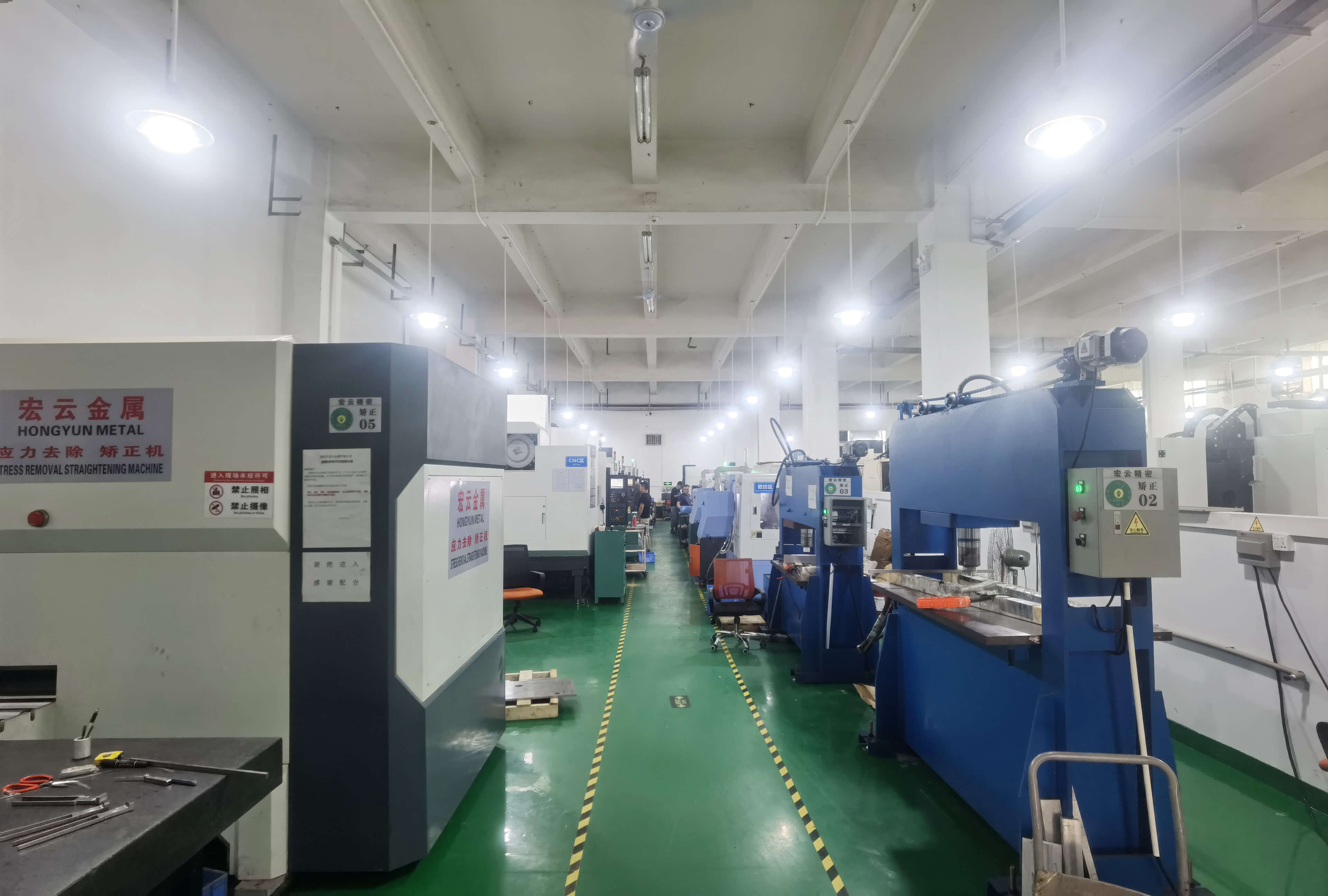
Using the bending machine for bending, is mainly divided into ordinary bending and CNC bending two. CNC bending is mainly used for processing high accuracy requirements, bending irregular shape sheet metal bending, its basic principle is to use bending machine bending knife, V-groove, bending and forming of materials. Its advantages are convenient clamping, accurate positioning, fast processing speed, and the disadvantage is that the pressure is small, can only be processed through simple forming, low efficiency.
Two, CNC bending machine bending
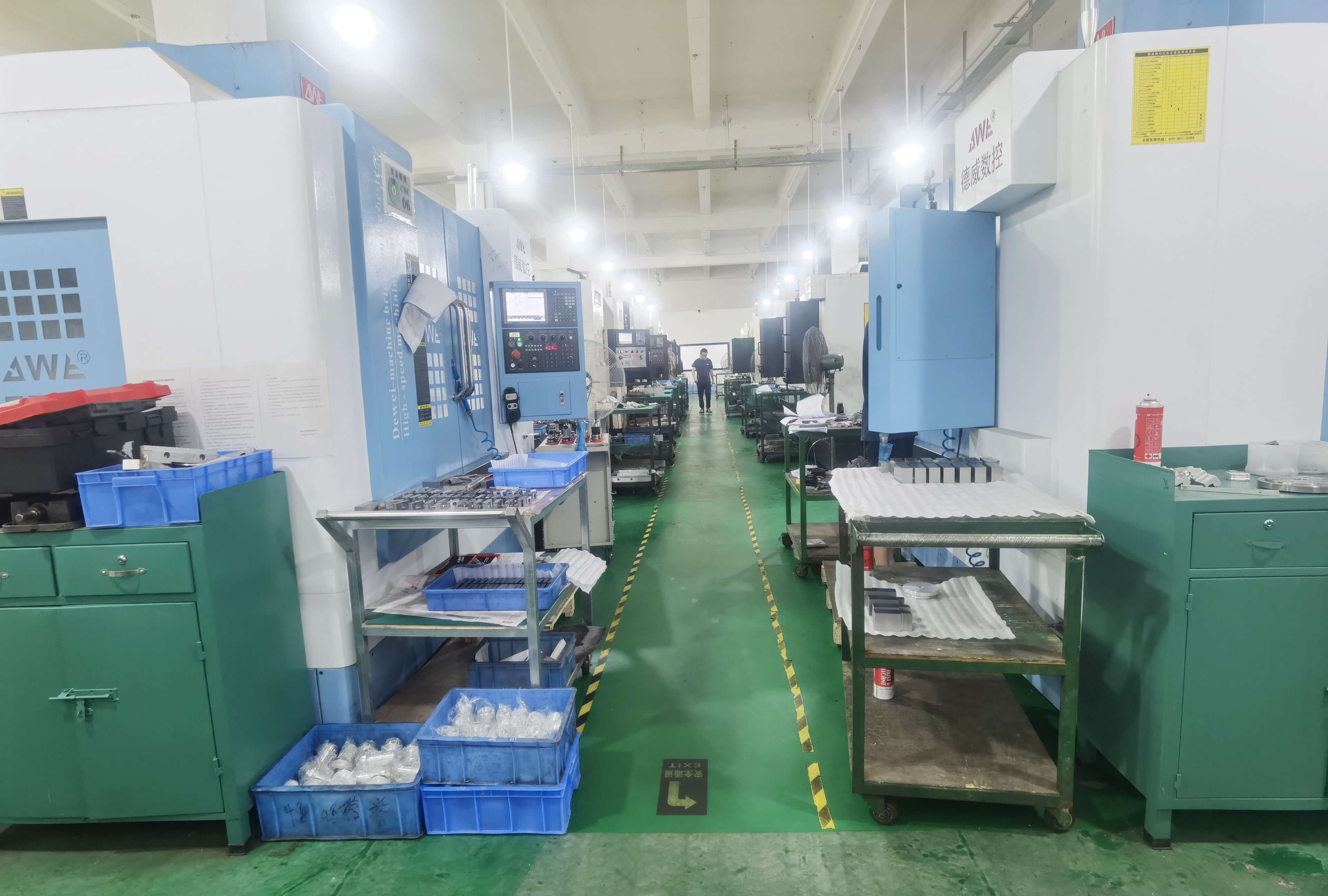
CNC bending machine is the use of NUMERICAL control system for the slider administration (punch into the depth of the concave die) and the position of the rear stopper automatic control, in order to achieve bending workpiece bending different degree of bending and bending edge width of the bending forming. The process characteristics of a CNC bending machine are mainly high productivity, can improve the accuracy of bending parts, and the operation is simple, saving the middle stacking area, reduce the labor intensity.Processing | CNC turning, CNC milling, Drilling, Grinding, Spinning, Wire-EDM Cutting, Stamping, Laser Cutting, Bending, Die Casting, Extrusion, Injection Molding |
Materials | Aluminum: 2000 series, 6000 series, 7075, 5052, etc. |
Stainless steel: SUS303, SUS304, SS316, SS316L, 17-4PH, etc. | |
Steel: 1214L/1215/1045/4140/SCM440/40CrMo, etc. | |
Brass: 260, C360, H59, H60, H62, H63, H65, H68, H70, Bronze, Copper | |
Titanium: Grade F1-F5 | |
Plastic: Acetal/POM/PA/Nylon/PC/PMMA/PVC/PU/Acrylic/ABS/PTFE/PEEK etc. | |
Surface Treatment | Anodized, Bead Blasted, Silk Screen, PVD Plating, Zinc/Nickel/Chrome/Titanium Plating, Brushing, Painting, Powder Coated, Passivation, Electrophoresis, Electro Polishing, Knurl, Laser/Etch/Engrave etc. |
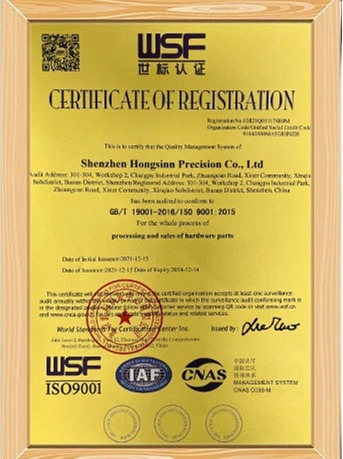
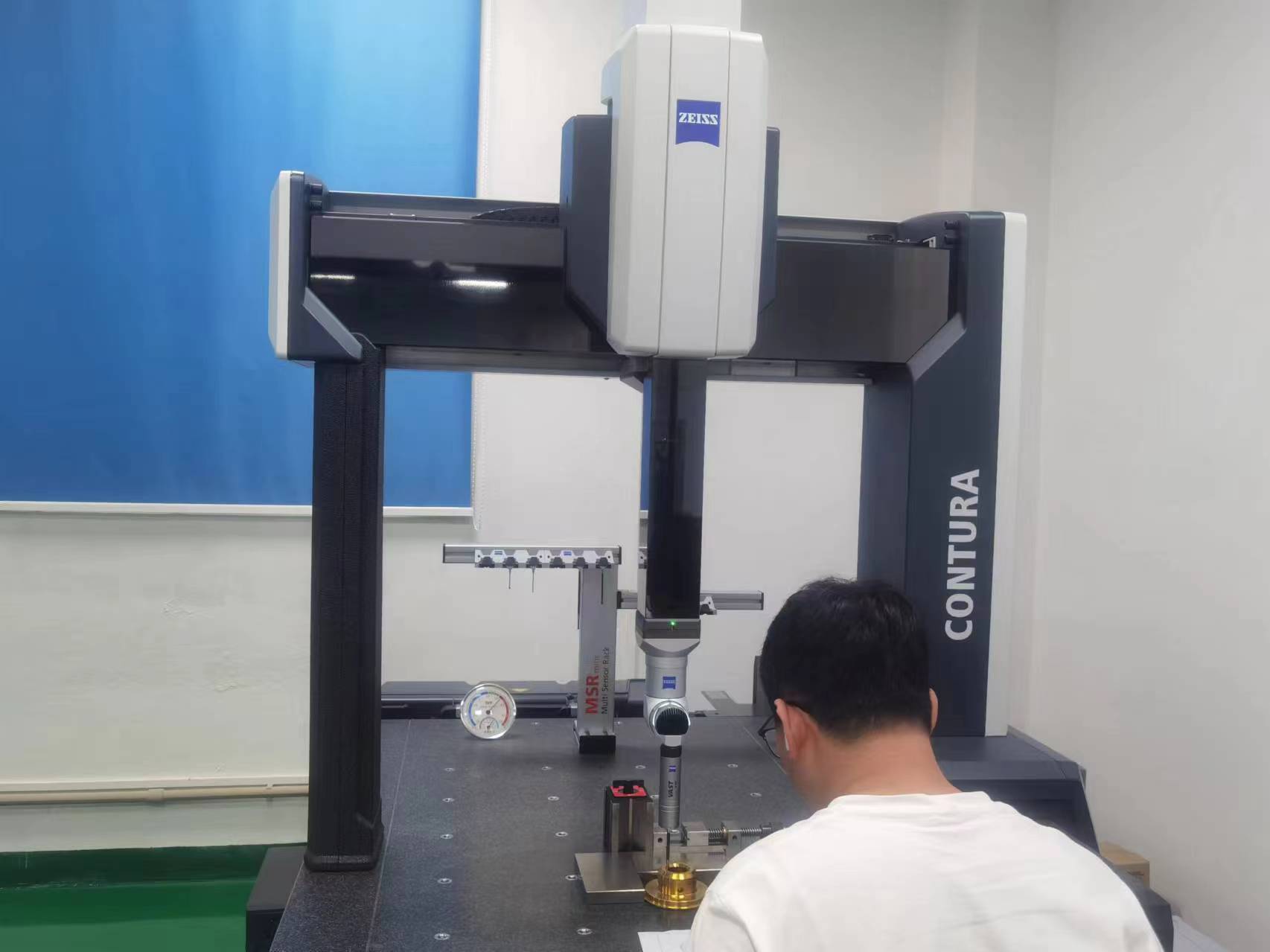
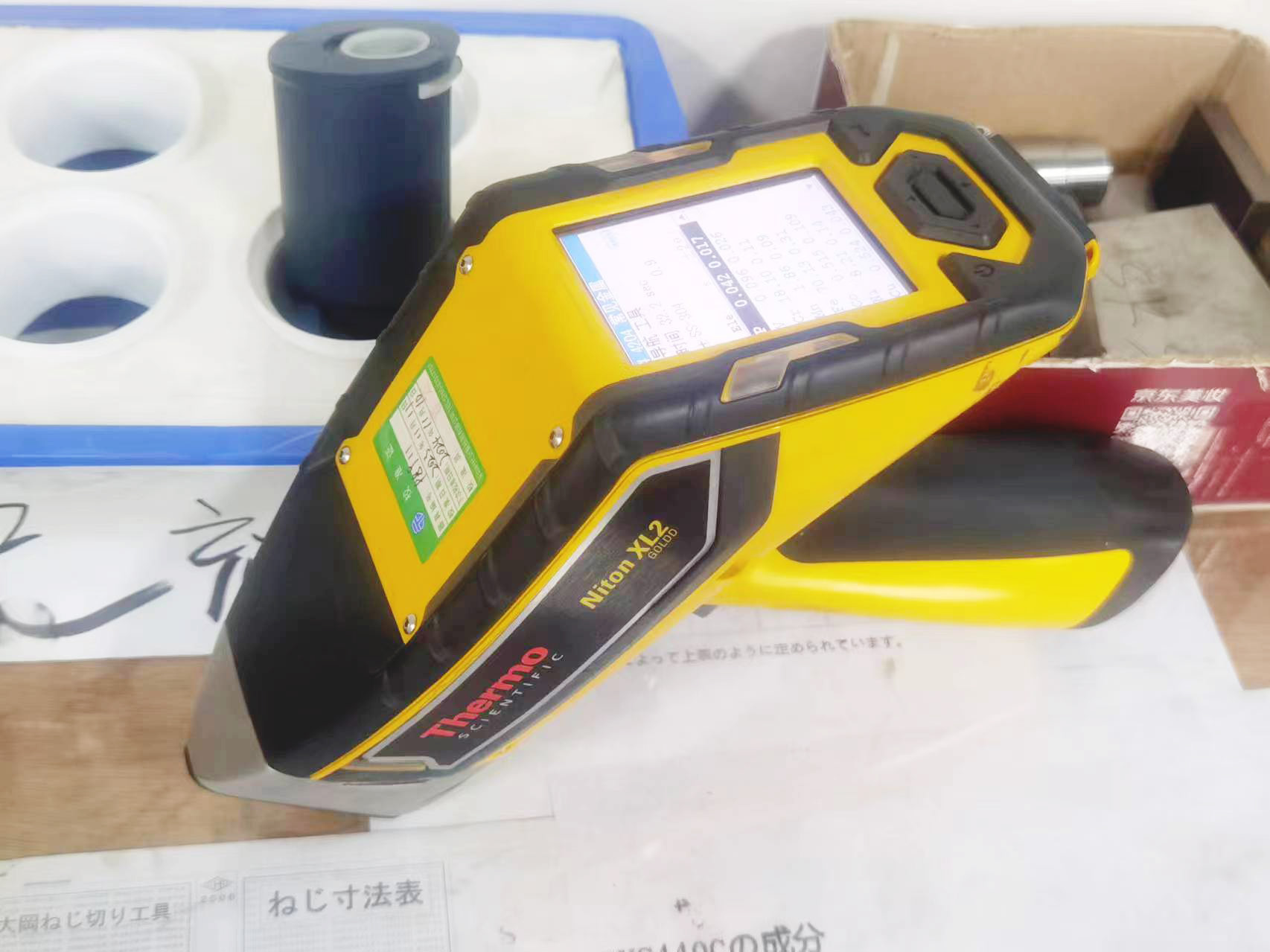
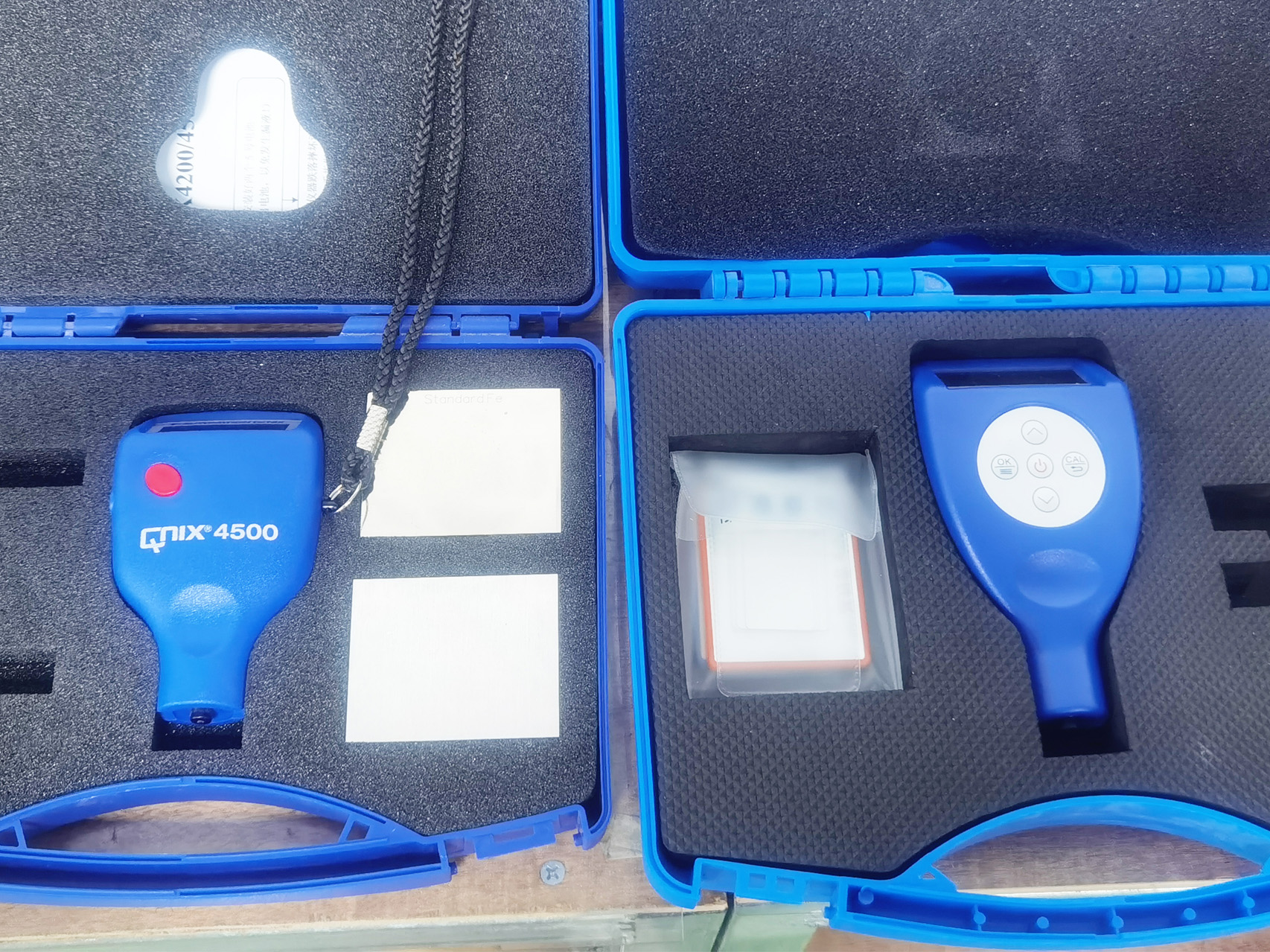
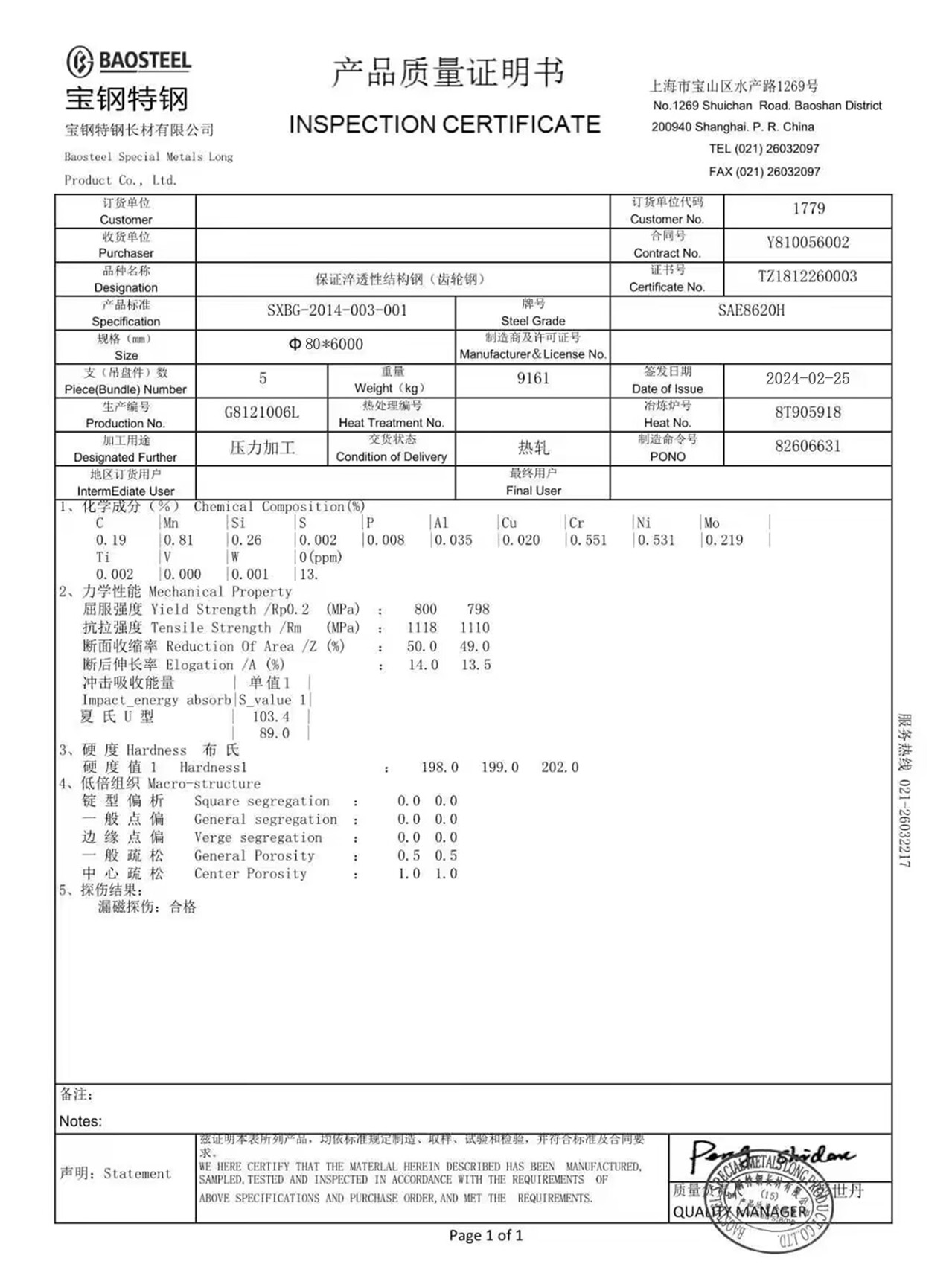
Quality Assurance | ISO9001:2015, ISO13485:2016, SGS, RoHs, TUV |
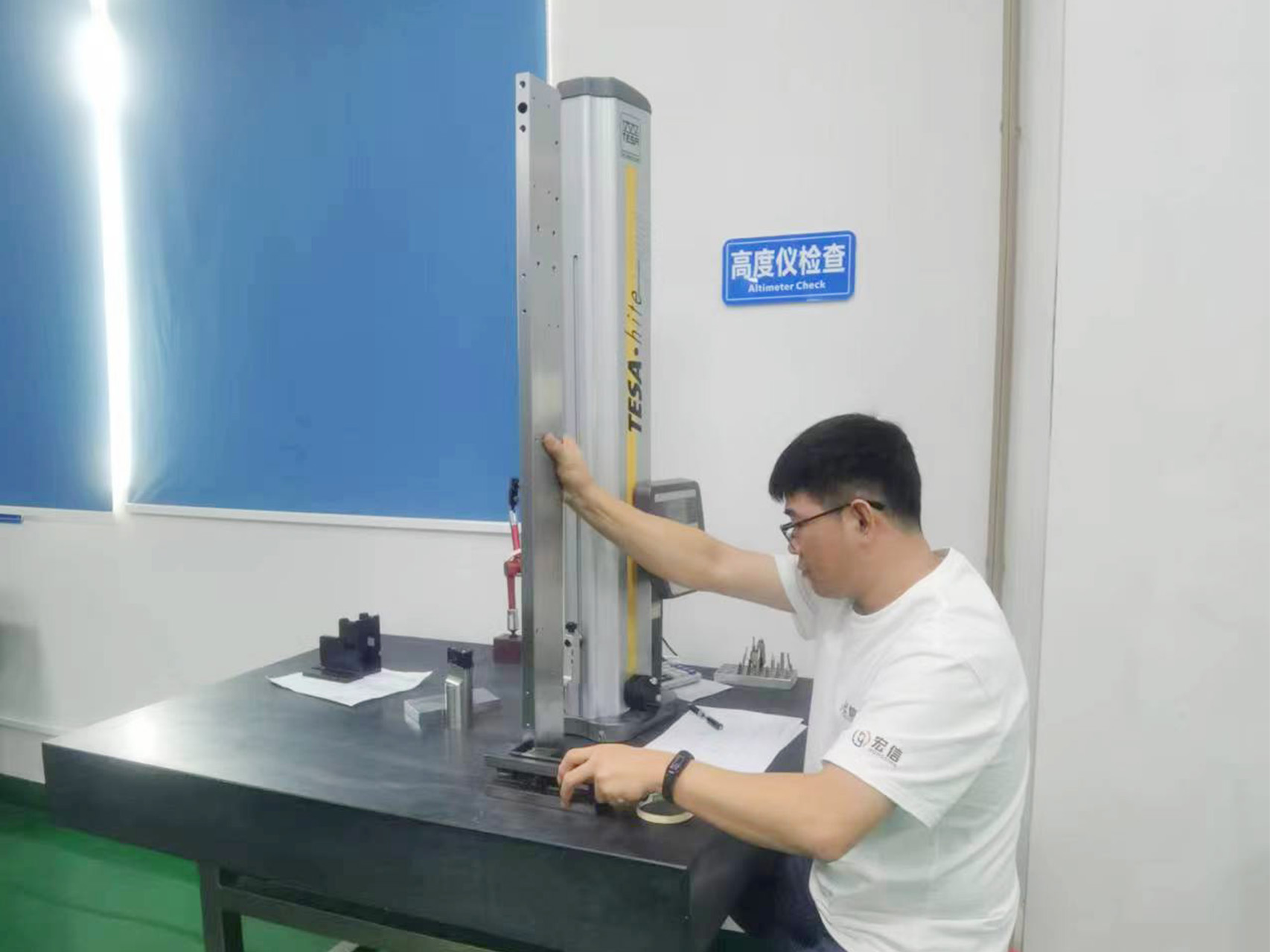
Tolerance | +/-0.002~+/-0.005mm |
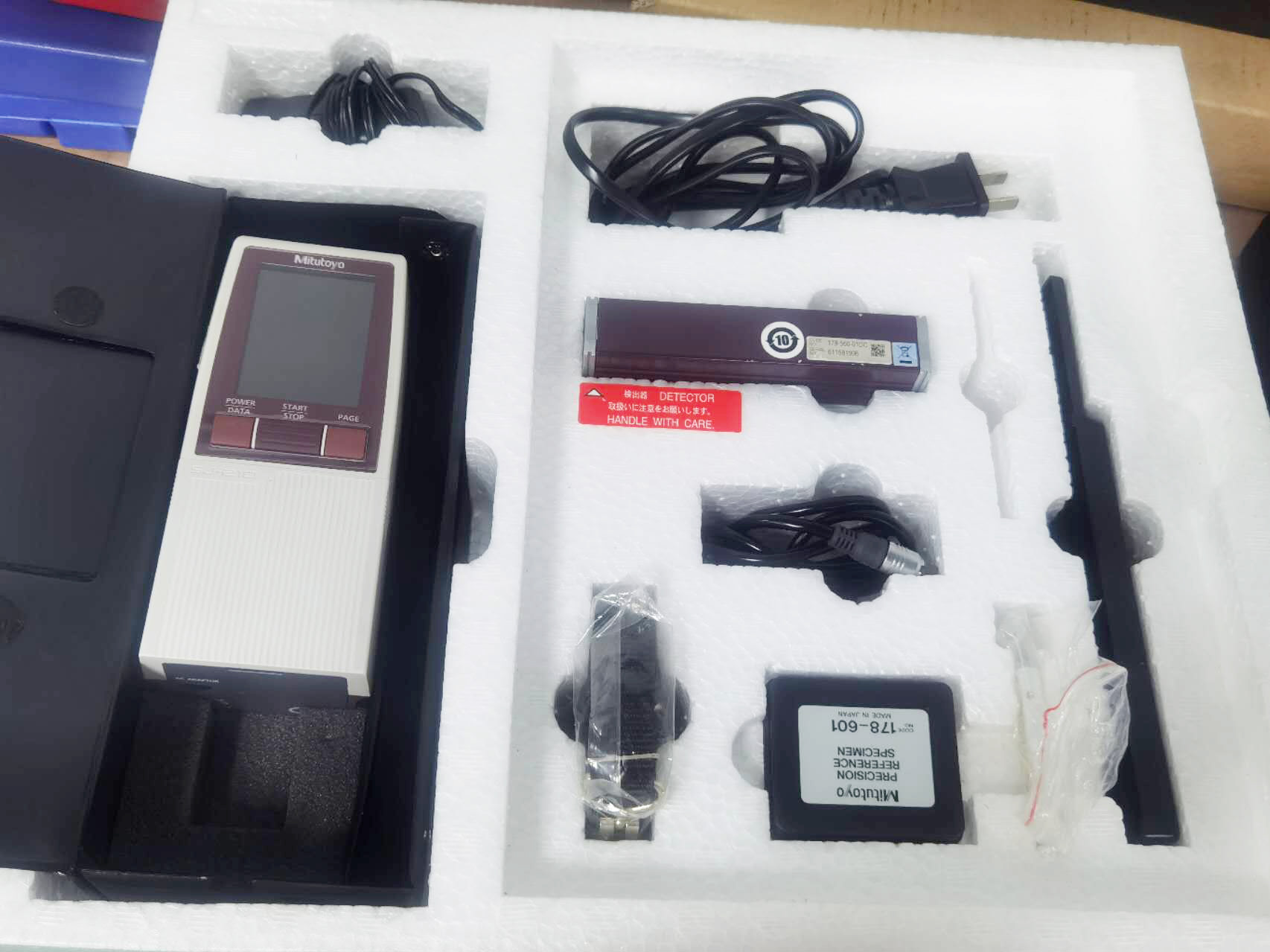
Surface Roughness | Min Ra 0.1~3.2 |
Bending sheet aluminum and aluminum sheet metal bending services offer precision solutions in metal fabrication, ensuring quality outcomes in every project.