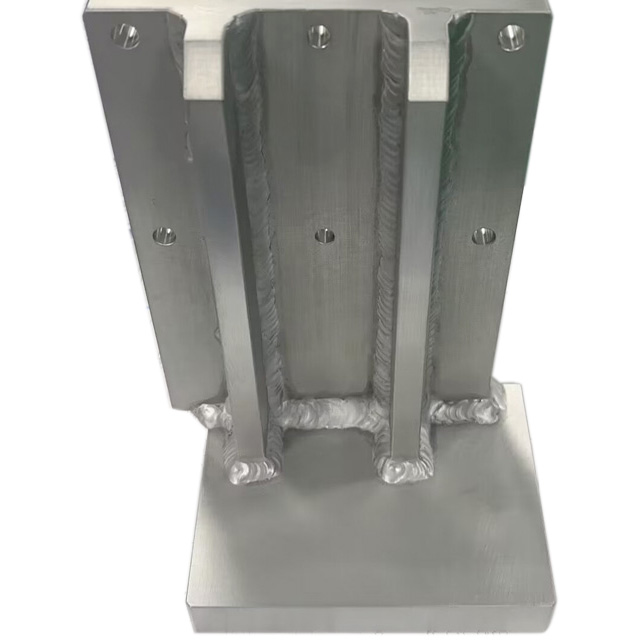
Thin & Aluminum Sheet Metal Welding
Hongsinn-769
Specializing in thin metal sheet welding and aluminum welding, we ensure high-quality, reliable results for your projects.
Delivery
FOB
minimum order
1 piece
Supply Ability
5000piece / Week
Country of Origin
Shenzhen
Stock Time
7~15Day
Quantity:
US $0.59 - US $10.68 / piece
Specializing in thin metal sheet welding and aluminum welding, we ensure high-quality, reliable results for your projects.
The combination of sheet metal and welding represents a fundamental skill in metal manufacturing, and specialized applications in sheet metal welding and aluminum sheet metal welding require specific expertise.
Aluminum welding requires a thorough understanding of the characteristics that affect weld quality, such as its high thermal conductivity and the presence of an oxide layer. Whether welding plates, bars, tubes, or extruded aluminum, selecting the appropriate welding process (TIG or MIG), filler material, and shielding gas is crucial.
Proper preparation, appropriate heating application, and flexible movement can effectively reduce weld defects, making the entire process more efficient and smooth. These factors combined help ensure the strength and aesthetics of the weld joint.
Proper preparation, appropriate heating application, and flexible movement can effectively reduce weld defects, making the entire process more efficient and smooth. These factors combined help ensure the strength and aesthetics of the weld joint.
Technical Parameters:
| Product Attribute | Description |
|---|---|
| Product Name | Precision Welding and Fabrication Services |
| Material | Metal |
| Welding Materials | Steel, Aluminum, Stainless Steel |
| Service Area | Nationwide |
| Process | Welding |
| Quality Control | Visual Inspection, NDT Testing |
| Welding Methods | MIG, TIG, Stick |
| Turnaround Time | 24-48 Hours |
| Welding Positions | Flat, Horizontal, Vertical, Overhead |
| Safety Measures | Protective Gear, Ventilation |
| Experience | 15+ Years |
| Product Name | Industrial Welding and Fabrication Services |
| Product Name | Welding and Metalworking Services |
Customization:
Our welding services specialize in providing perfect structural welding and repair solutions. Our experienced team of welders can handle a wide range of materials, including steel, aluminum, and stainless steel, to meet your diverse needs. We offer a variety of welding positions, including flat, horizontal, vertical, and overhead welding, ensuring adaptability to any project requirement.
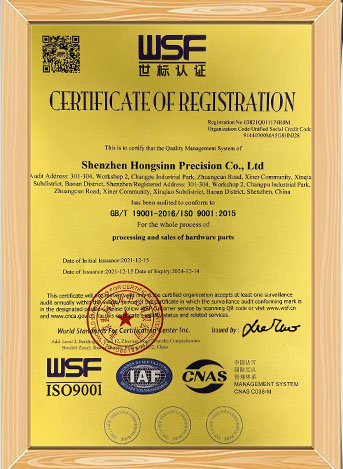
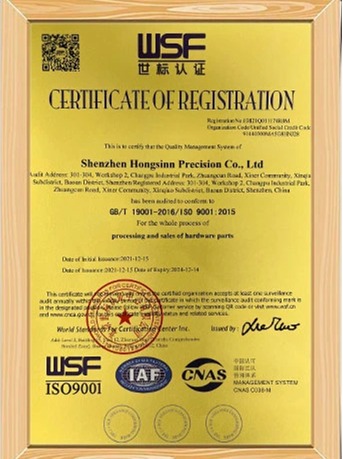
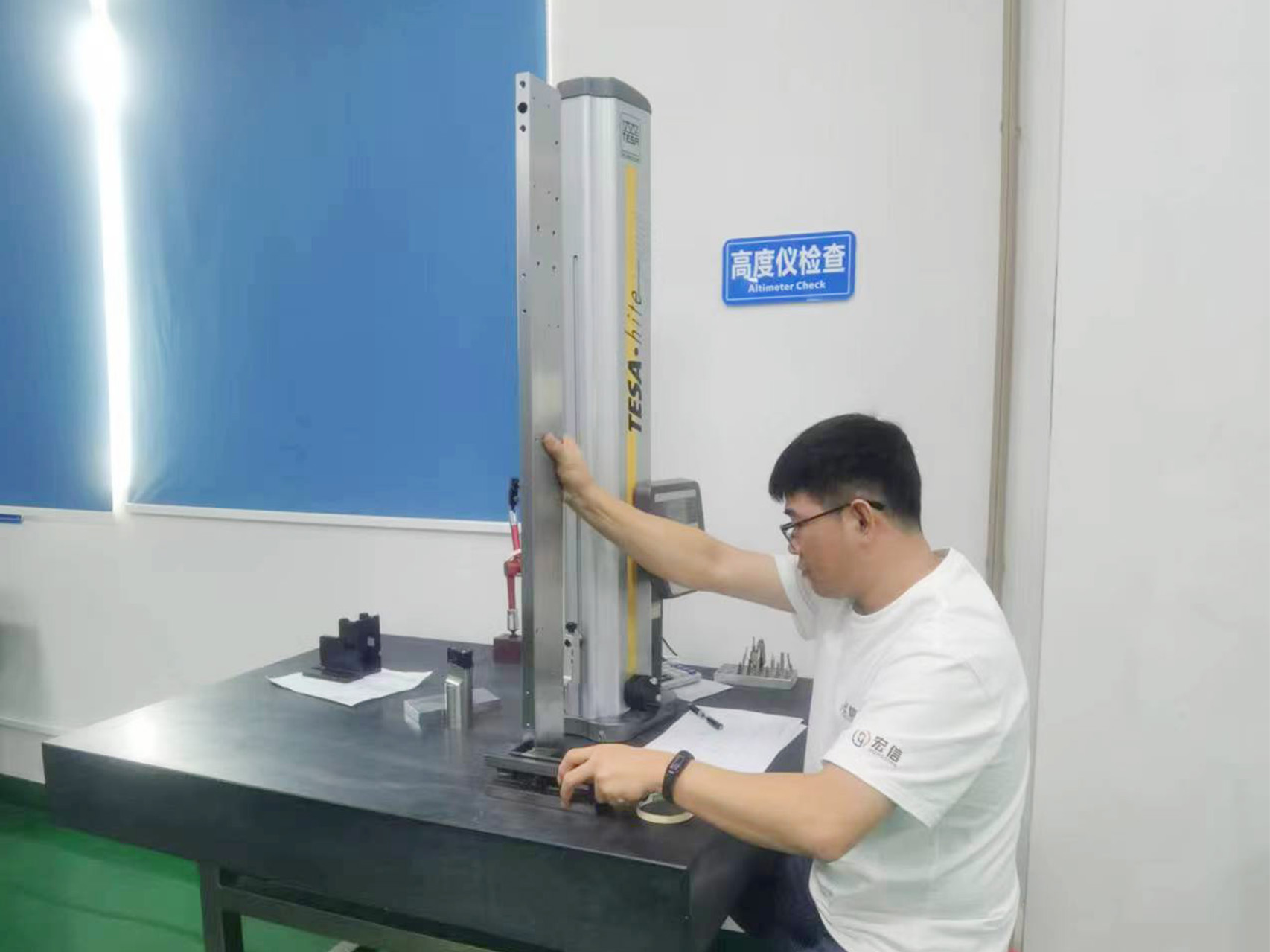
At PFT, we maintain a high commitment to quality and safety, holding multiple certifications including ISO 13485, ISO 9001, AS 9100, and IATF 16949. We employ rigorous quality control processes, including visual inspection and non-destructive testing, to ensure every weld meets our high standards.
Our welding services are competitively priced, starting at just $0.50 per piece. We also offer customized packaging and delivery options to meet your specific needs. Most projects can typically be completed within 24-48 hours, and with a supply capacity of up to 200,000 pieces, we ensure our ability to meet your needs, regardless of project size.
Whether you are looking for welding and metalworking services for small or large projects, Hongsinn's OEM and ODM welding services can support you. Contact us today to learn how we can meet your welding needs.
How to Weld Aluminum?
When welding aluminum, thorough preparation and accurate execution of the welding procedure are essential. Aluminum's high thermal conductivity causes rapid heat dissipation, necessitating careful control of heat input to avoid burn-in or incomplete welds.
Aluminum naturally forms an oxide layer when exposed to oxygen. This oxide layer has a higher melting point than the base metal, increasing the complexity of the welding process. Here are the key steps for welding aluminum:
Surface Preparation: Thoroughly clean the aluminum surface to remove dirt, grease, and the oxide layer. Solvents or degreasers can be used, followed by exposing the bare metal with a stainless steel wire brush or light abrasion. This step is crucial, as dirt can lead to poor fusion and contamination during welding.
Choosing the Appropriate Welding Process: The most common welding methods for aluminum are TIG welding and MIG welding, with occasional stick welding. The choice of welding process depends on application requirements, material thickness, and weld quality requirements.
Choosing the Correct Filler Material: Use aluminum wire or rods that match the base metal alloy. For example, 4043 or 5356 aluminum wire is typically used for MIG welding, while matching filler rods are used for TIG welding.
Use the correct shielding gas: Pure argon should be used as the shielding gas for TIG welding of aluminum to avoid oxidation problems; while a mixture of argon and helium can be used for MIG welding to increase heat input and penetration.
Adjust equipment settings: Adjust the welding equipment settings, including amperage, voltage, and wire feed speed, according to the thickness of the aluminum and the welding process. Proper settings will ensure weld consistency and minimize defects.
Control heat input: Due to aluminum's sensitivity to heat, precise control of heat input is required to prevent warping or burn-through. Using a pulsed method in TIG welding or a spool gun in MIG welding helps to effectively manage heat.
By following these steps, welders can produce high-quality aluminum welds suitable for structural or aesthetic applications. Practice is essential to mastering these skills, as welding aluminum requires a higher level of skill than welding steel.
How to weld aluminum tubes?
Aluminum tubes can be welded using the following methods:
Argon Arc Welding
Using 4-series, 5-series, and 6-series welding wires. This method is suitable for most aluminum tube welding needs.
Low-Temperature Welding Wire Combined with High-Temperature Welding Wire
Operating at an operating temperature of 179℃, this method shows good compatibility between the welding material and 1, 2, 3, 4, and 6-series aluminum alloys. Special attention must be paid to controlling aluminum deformation to avoid adverse effects during welding.
Welding 7-Series Aluminum Alloys Using Low-Temperature Welding Electrodes
Welding operating temperatures are between 380 and 400℃. The advantage of this method is that it does not require any auxiliary flux, avoiding flux residue during welding. It also produces high weld strength and is very suitable for welding 3-series aluminum alloys to castings.
Low-Temperature Aluminum Welding Wire
This welding wire exhibits special advantages when welding 1, 2, 3, 4, and 6-series aluminum alloys, and is particularly suitable for welding with undesirable angles or narrow gaps.
By selecting appropriate welding methods and materials, the quality and efficiency of aluminum tube welding can be effectively improved, ensuring the strength and integrity of the welded joint.