Locate Nearby Mobile and Spot Welding Services, Specializing in Aluminum Welding
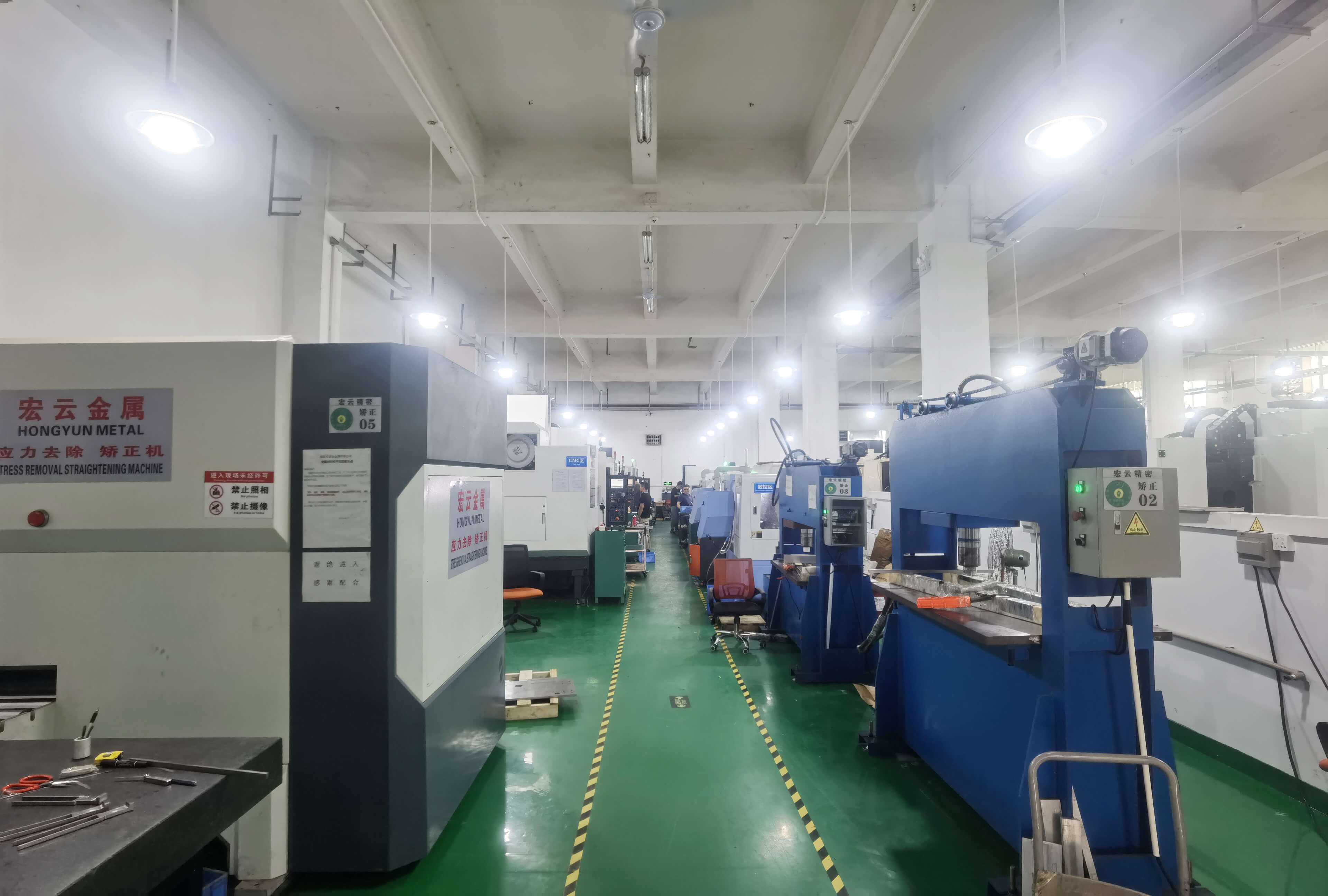
Metal manufacturing involves various processes such as cutting, bending, profiling, welding, and assembly to create metal structures using materials like steel, aluminum, and other metals. These materials are typically obtained in their raw form and shaped through cutting and bending to the required size and form for welding.
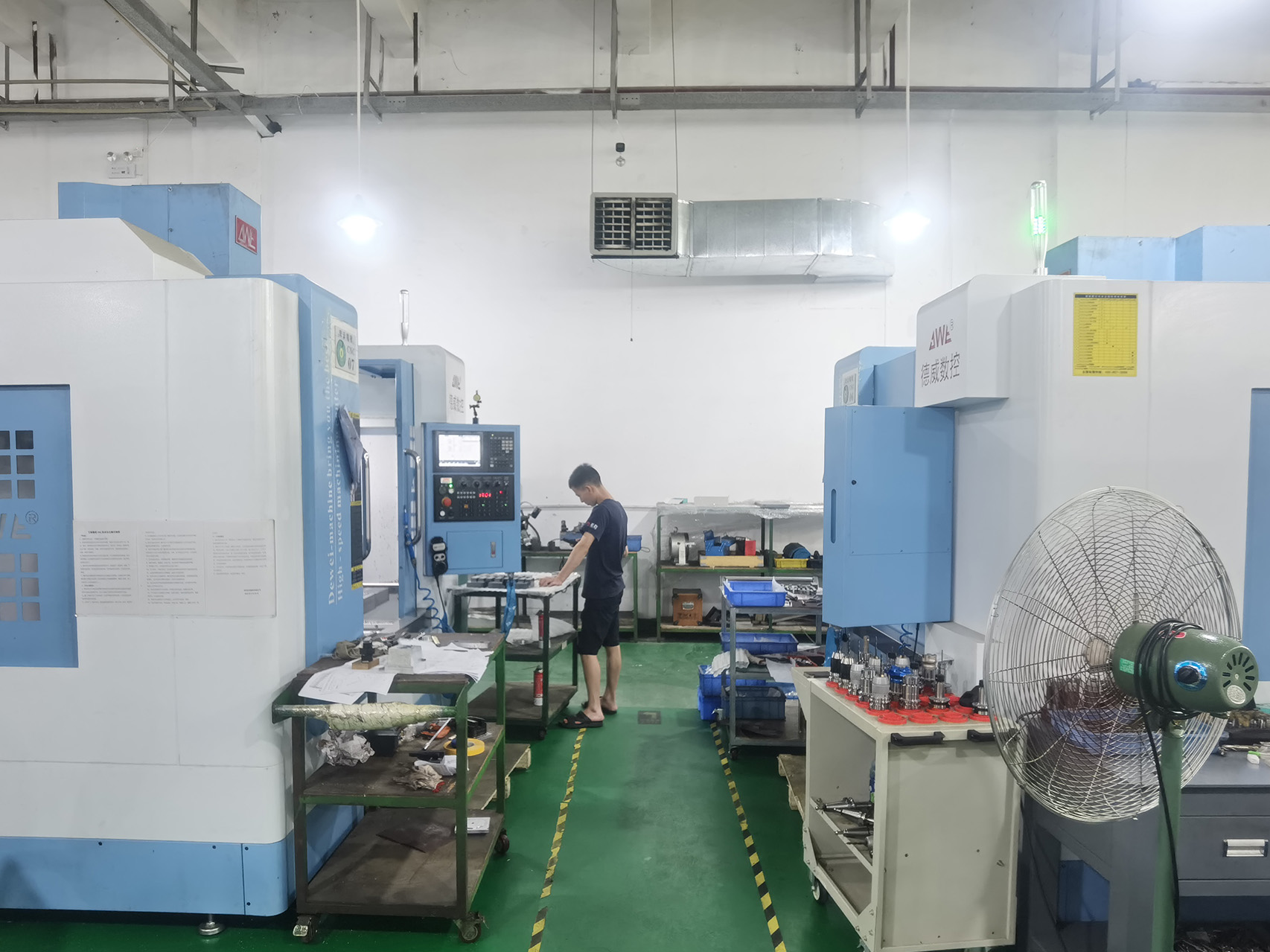
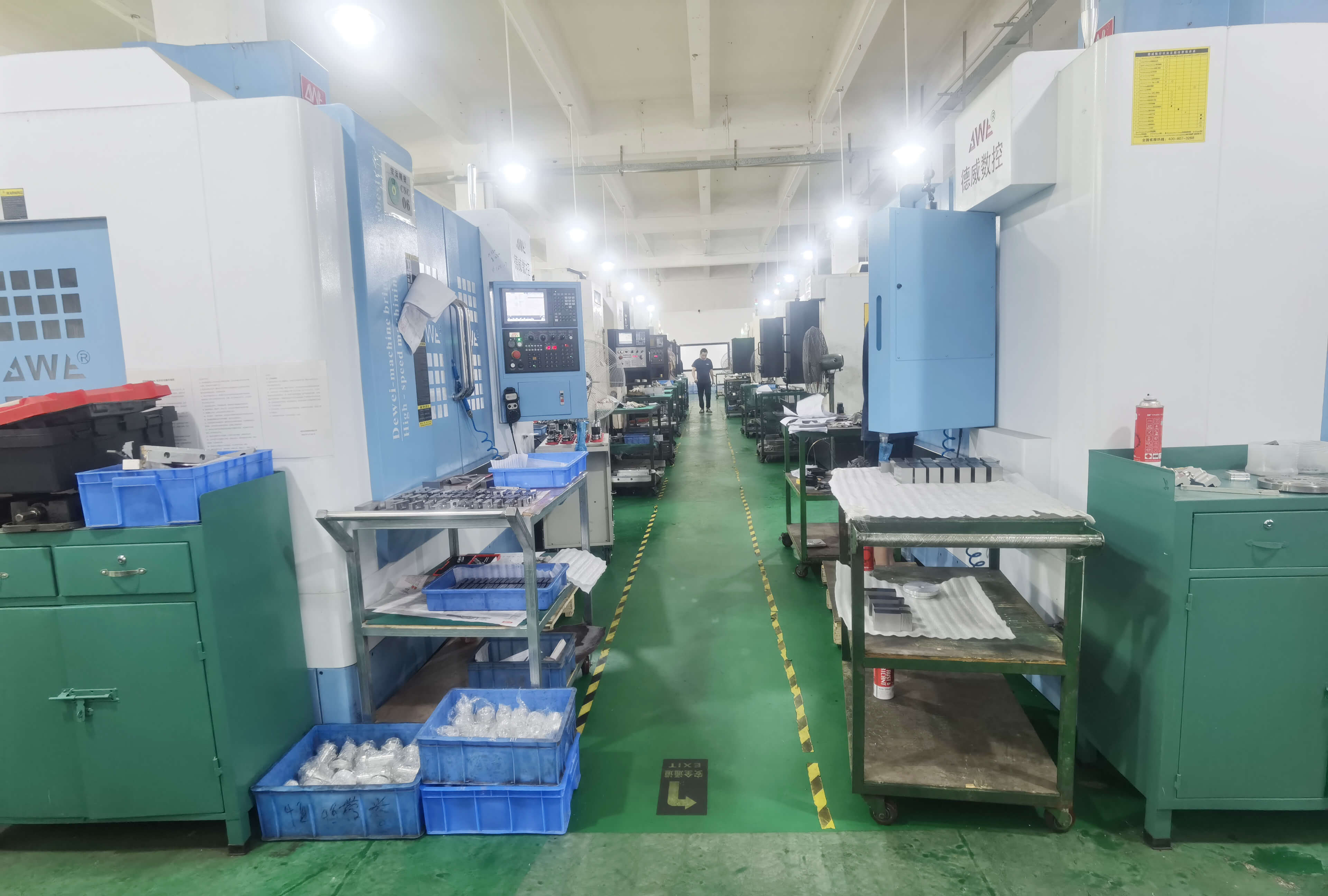
Our core services encompass CNC Machining for Automotive and Electronics Parts, Precision Machining for Medical Devices, and Custom CNC Machining for Aluminum. If you have any manufacturing needs, don't hesitate to contact us.
For swift and dependable welding solutions, explore our nearby turnaround welding services. Whether you need on-site welding or specialized processes like laser welding, we are prepared to meet your requirements with accuracy and efficiency.
Discover excellence in aluminum welding services through our local welding expertise and dedicated aluminum welding shop. Whether you seek precision welding solutions, convenient local services, or specialized aluminum welding, we offer quality craftsmanship and tailored support to meet your welding needs.
Welding
After the fabrication process shapes the metal, it is then fused together through various techniques and methods. One prevalent welding method is Arc welding. In this process, a power source creates an electric arc between the electrode on the welding rod and the material, generating intense heat that melts the base material, allowing for fusion.
Common welding processes include:
- Shielded Metal Arc Welding (SMAW), widely known as manual metal arc (MMA), is a prevalent arc welding method. Employing a consumable flux-coated electrode that shields the weld area from oxidation and contamination, SMAW releases carbon dioxide gas during welding.
- Gas Metal Arc Welding (GMAW) is an automatic or semi-automatic process utilizing a continuous wire feed. With a continuous electrode, GMAW boasts significantly higher welding speeds compared to SMAW.
- Gas Tungsten Arc Welding (TIG) utilizes a semi-inert gas blend, a non-consumable tungsten electrode, an inert or semi-inert gas mixture, and a separate filler material. This technique demands a high level of operator skill and is ideal for welding thin materials, producing high-quality welds despite its relatively slower pace.
- Flux-Cored Arc Welding (FCAW) involves a wire incorporating a steel electrode surrounding a powder fill material. While this wire is pricier than standard solid wires and can emit fumes, it enables swift welding speeds and excellent metal penetration.
Processing | Stamping, Deep drawing, Laser cutting,Bending, Welding, Drilling, Grinding, Spinning,CNC etc |
Materials | Aluminum: 2000 series, 6000 series, 7075, 5052, etc. |
Stainless steel: SUS303, SUS304, SS316, SS316L, 17-4PH, etc. | |
Steel: 1214L/1215/1045/4140/SCM440/40CrMo, etc. | |
Brass: 260, C360, H59, H60, H62, H63, H65, H68, H70, Bronze, Copper | |
Titanium: Grade F1-F5 | |
Surface Treatment | Anodized, Bead Blasted, Silk Screen, PVD Plating, Zinc/Nickel/Chrome/Titanium Plating, Brushing, Painting, Powder Coated, |
Passivation, Electrophoresis, Electro Polishing, Knurl, Laser/Etch/Engrave etc. | |
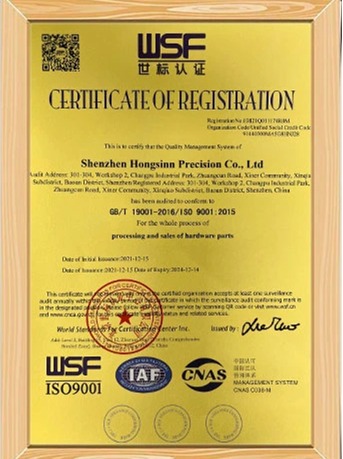
Quality Assurance | ISO9001:2015, ISO13485:2016, SGS, RoHs, TUV |
Tolerance | +/-0.002~+/-0.005mm |