Expert Sheet Metal Bending Services, Bend Sheet Steel and Stainless Steel Sheets with Precision
HS-87
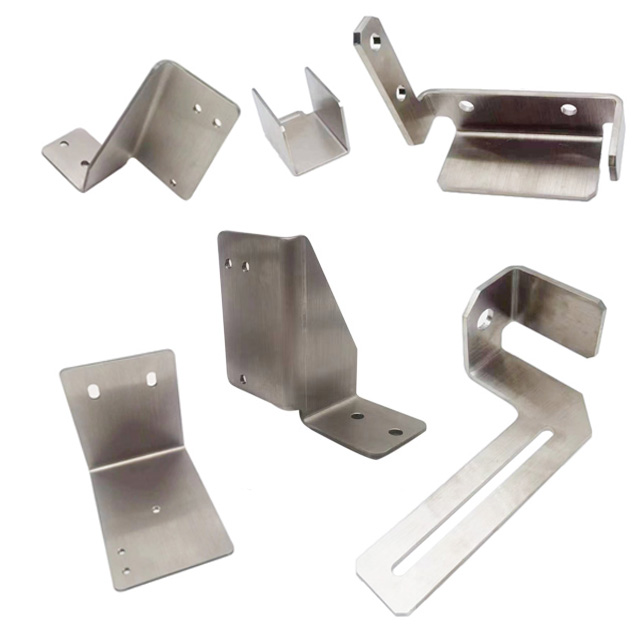
Explore customized OEM sheet metal parts fabrication services for aluminum and stainless steel, including sheet metal stamping, bending, and forming for various case parts.
Delivery
FOB
minimum order
1 piece
Supply Ability
5000piece / Week
Country of Origin
Shenzhen
Stock Time
7~15Day
Quantity:
US $0.29 - US $8.79 / piece
Product description
In machining production, bending pieces are frequently used to create shapes like V, U, and more. Typically, two common methods of metal bending are employed: mold bending and bending machine bending. Mold bending is ideal for intricate structures, small-scale production, and high-volume processing, while bending machine bending is better suited for larger structures with lower output volumes. These techniques play a crucial role in bending parts processing technology.
One, bending machine bending
When utilizing a bending machine for bending, the process is generally categorized into ordinary bending and CNC bending. CNC bending is primarily employed for high-precision requirements and bending irregularly shaped sheet metal. Its fundamental principle involves using bending machine bending tools like V-grooves to shape and form materials. The advantages of CNC bending include convenient clamping, precise positioning, and rapid processing speed. However, its drawback lies in the limited pressure exerted, allowing only for simple forming processes, leading to lower efficiency in certain applications.
Two, CNC bending machine bending
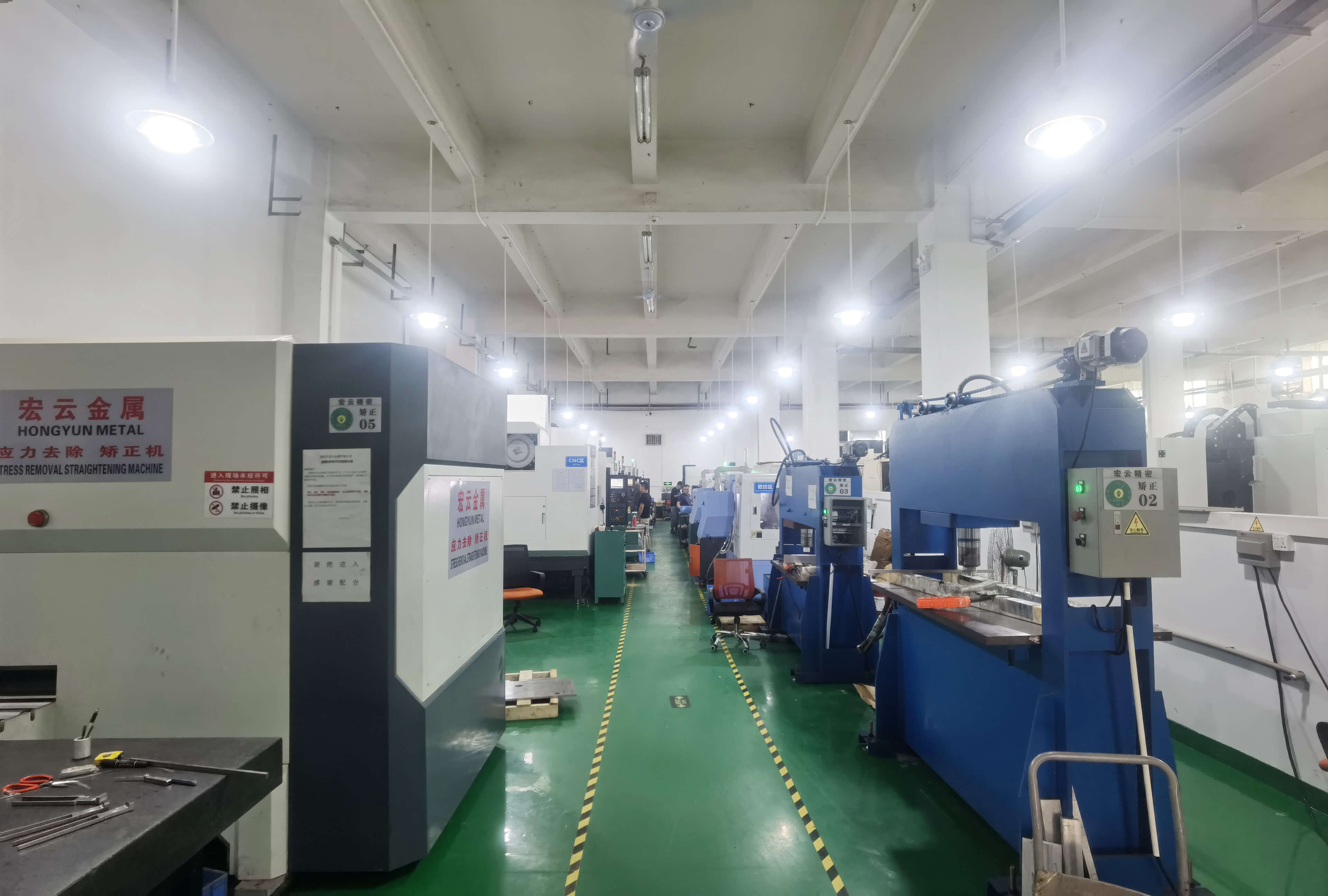
The CNC bending machine employs a numerical control system to manage the slider (which determines the depth of the punch into the concave die) and automatically control the position of the rear stopper. This automation enables the bending of workpieces to achieve various bending angles and widths, forming precise bends. The key process characteristics of a CNC bending machine include high productivity, enhanced accuracy in bending parts, simplified operation, reduced need for intermediate stacking areas, and decreased labor intensity.Explore our sheet metal bending services for bending sheet steel and bending stainless steel sheets to meet your specific requirements.
One-stop Solution
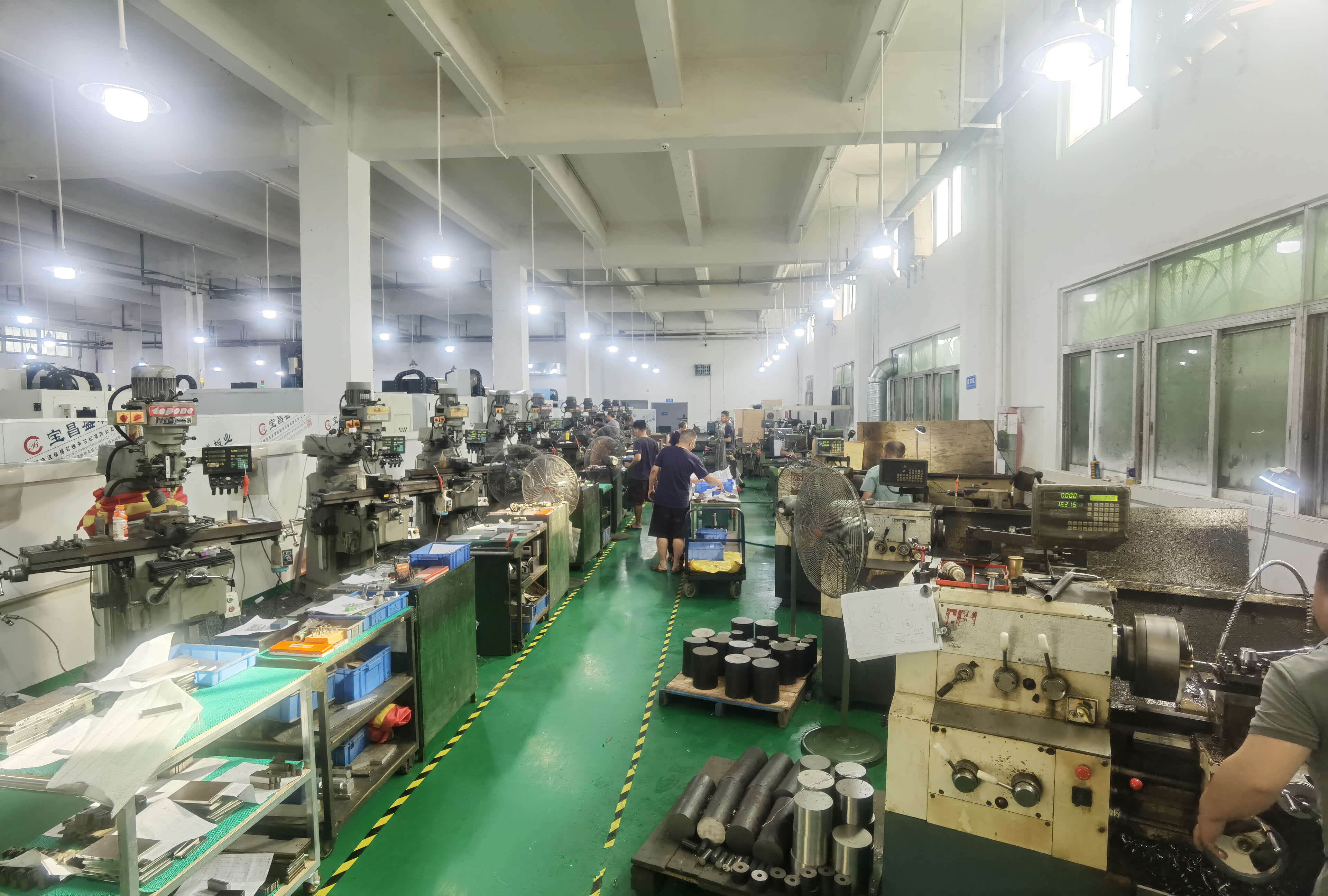
From cnc machining, fabrication, welding, surface treatment, assembly, packing to shipping
Quality Guarantee
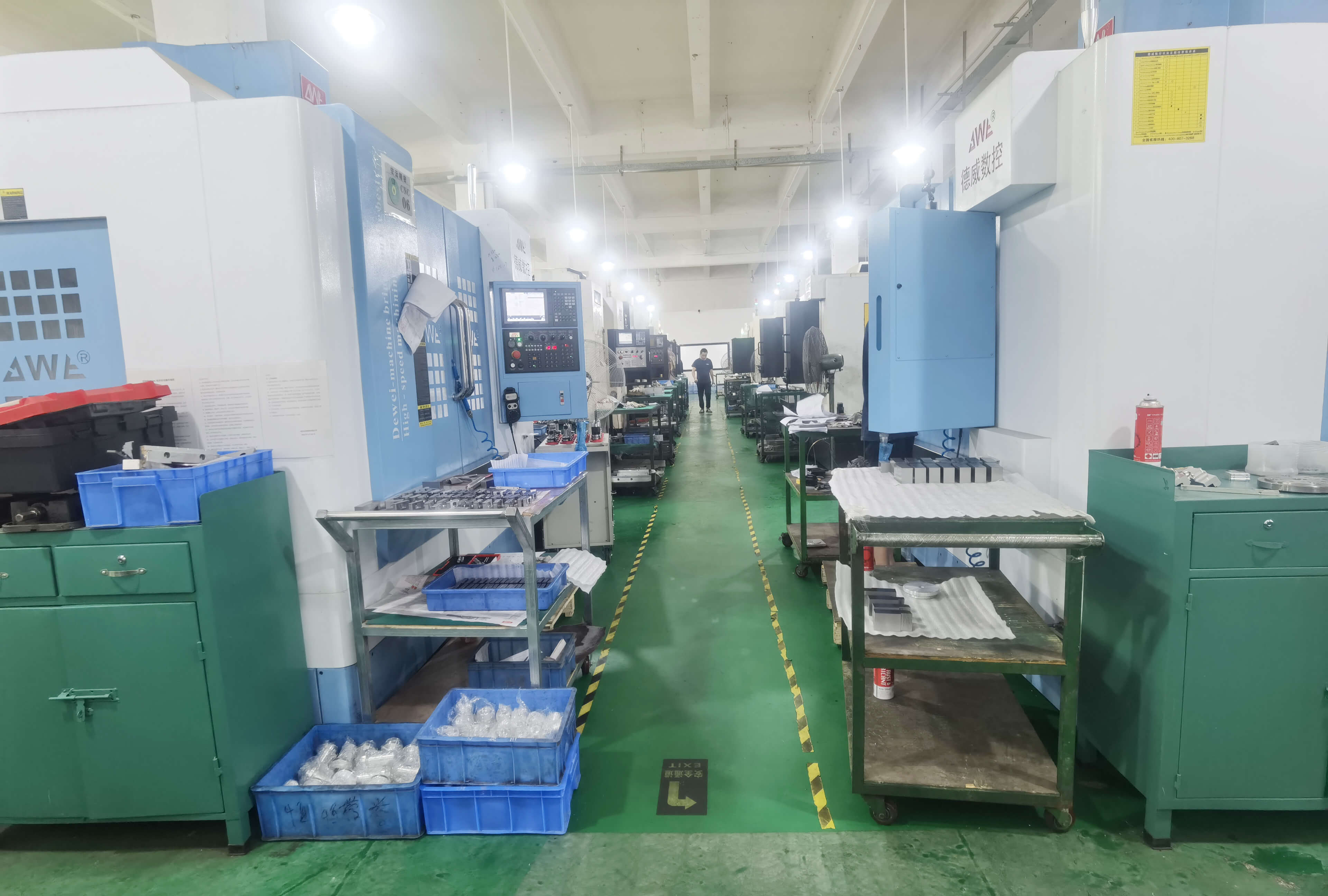
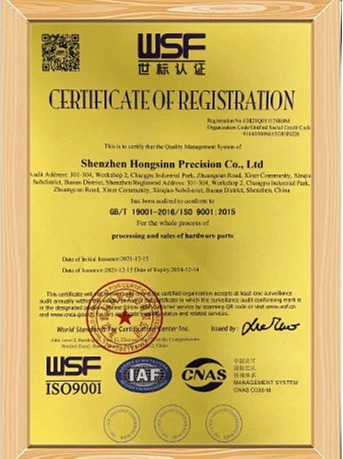
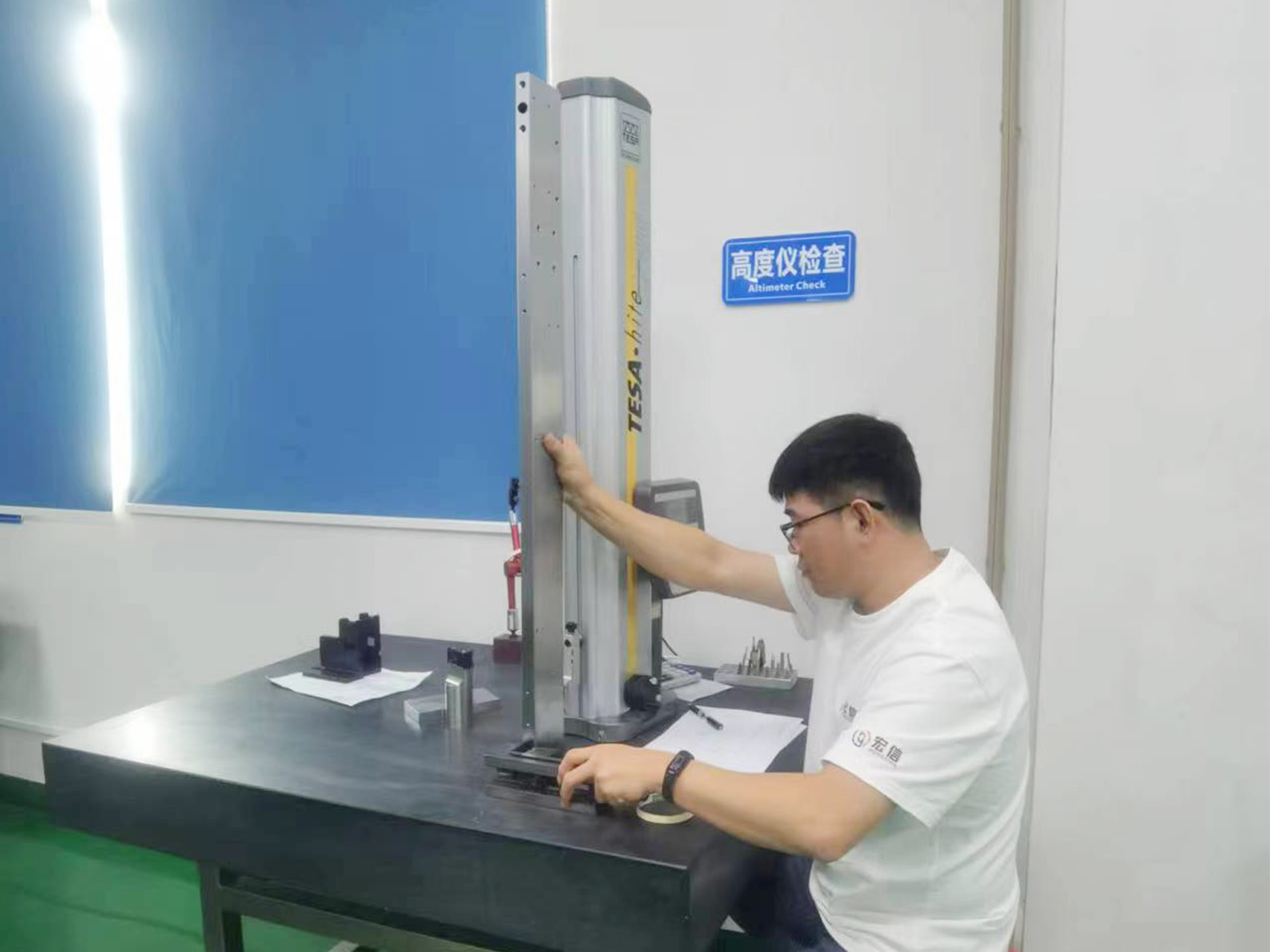
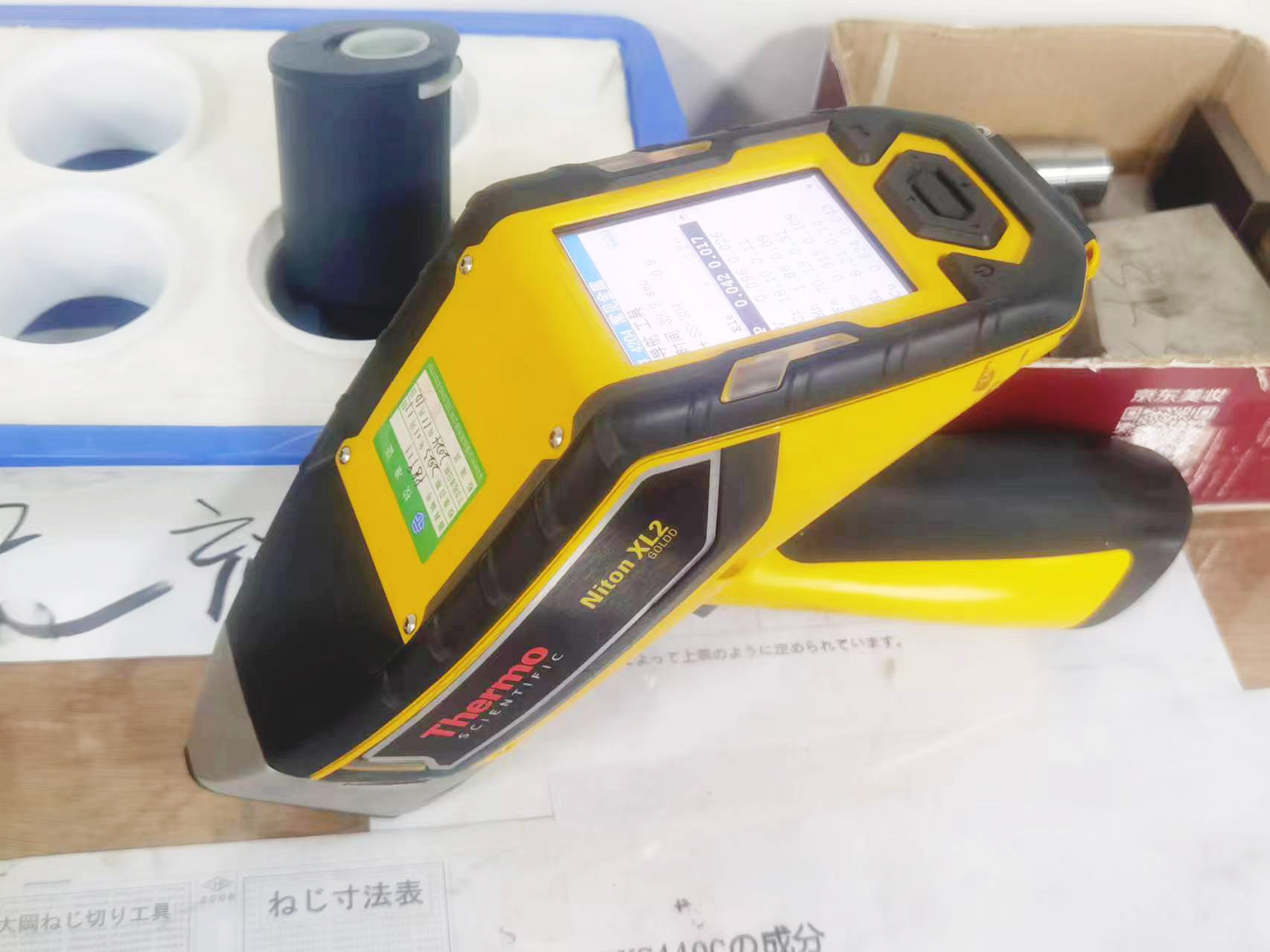
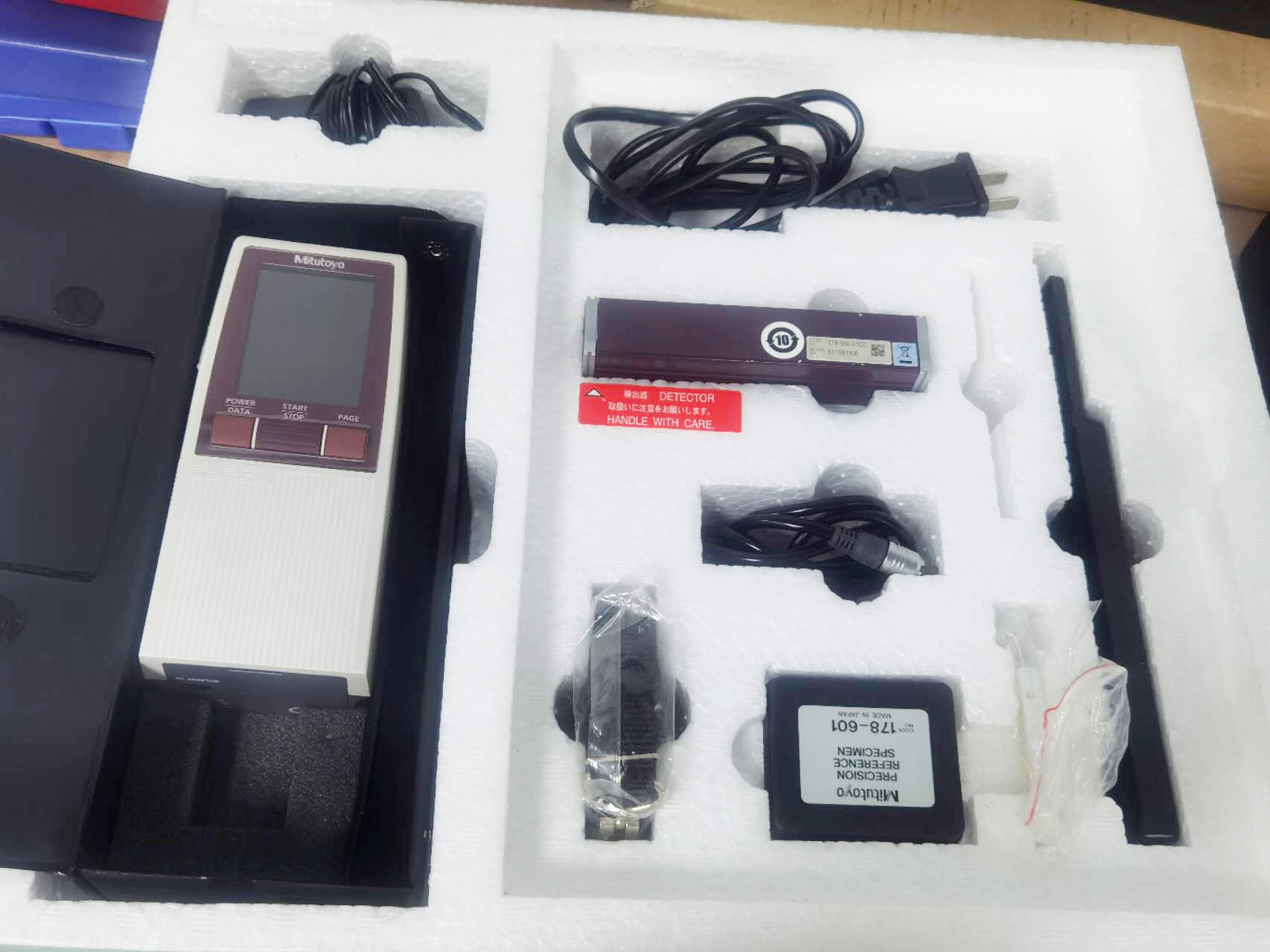
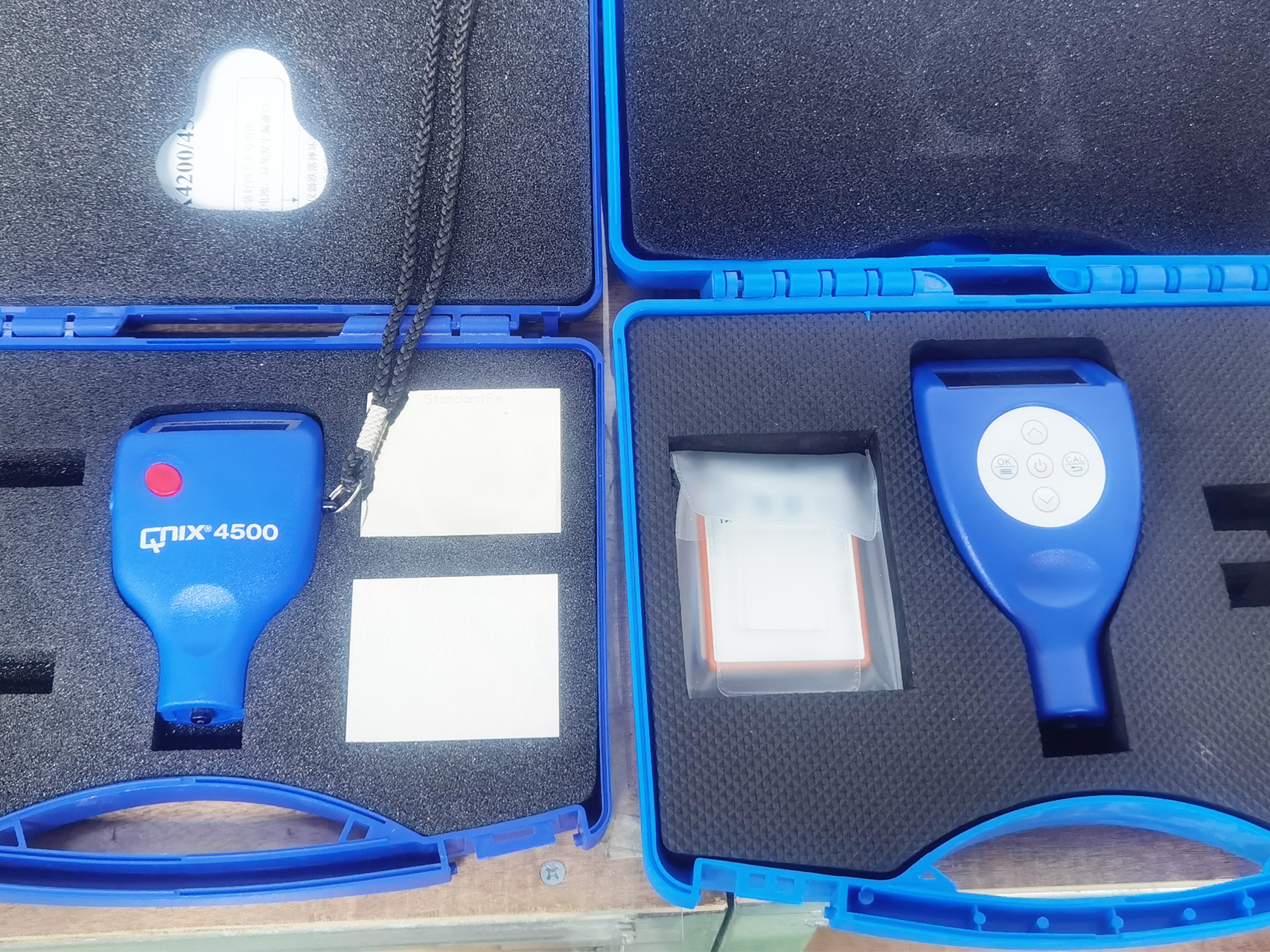
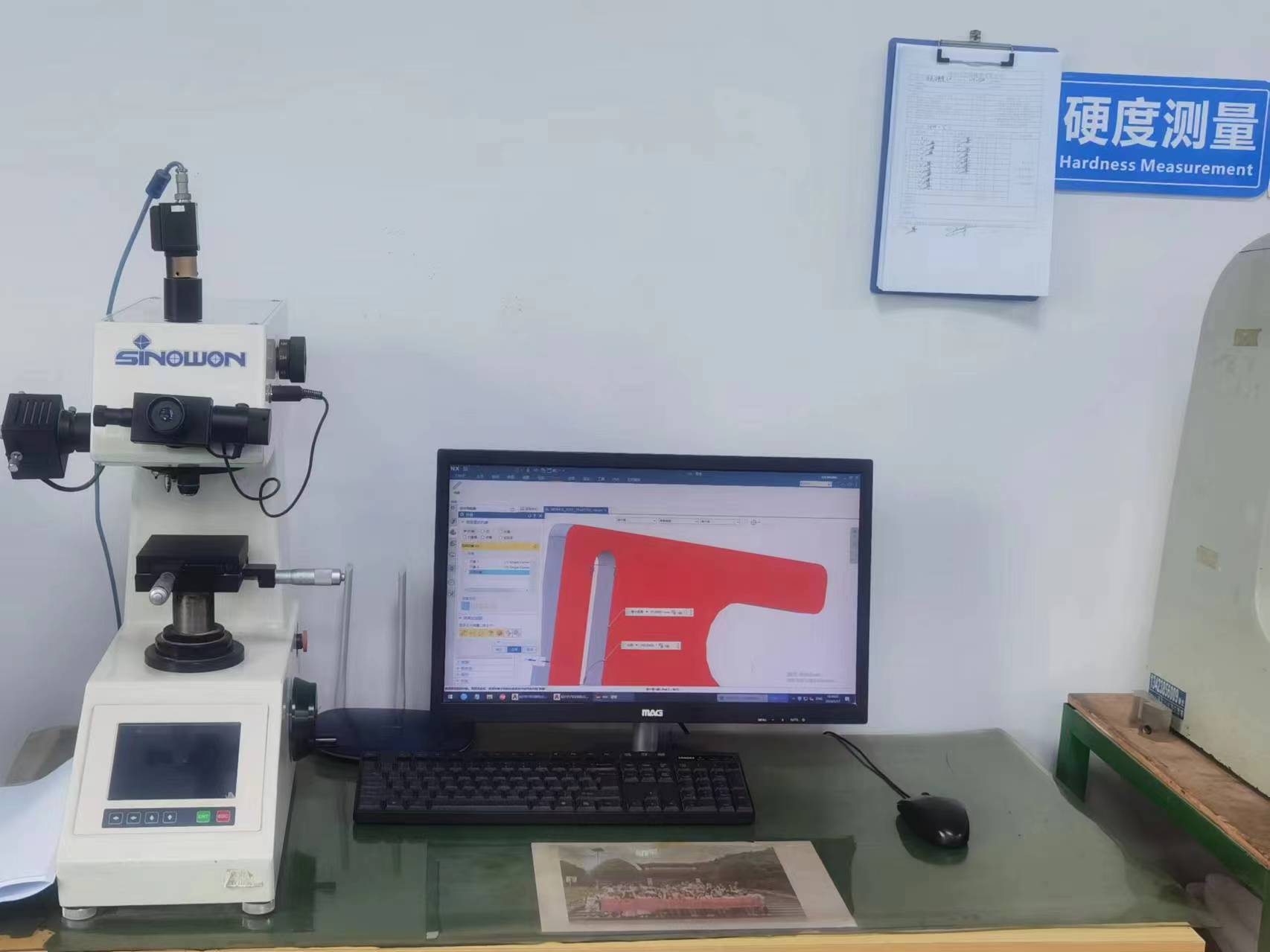
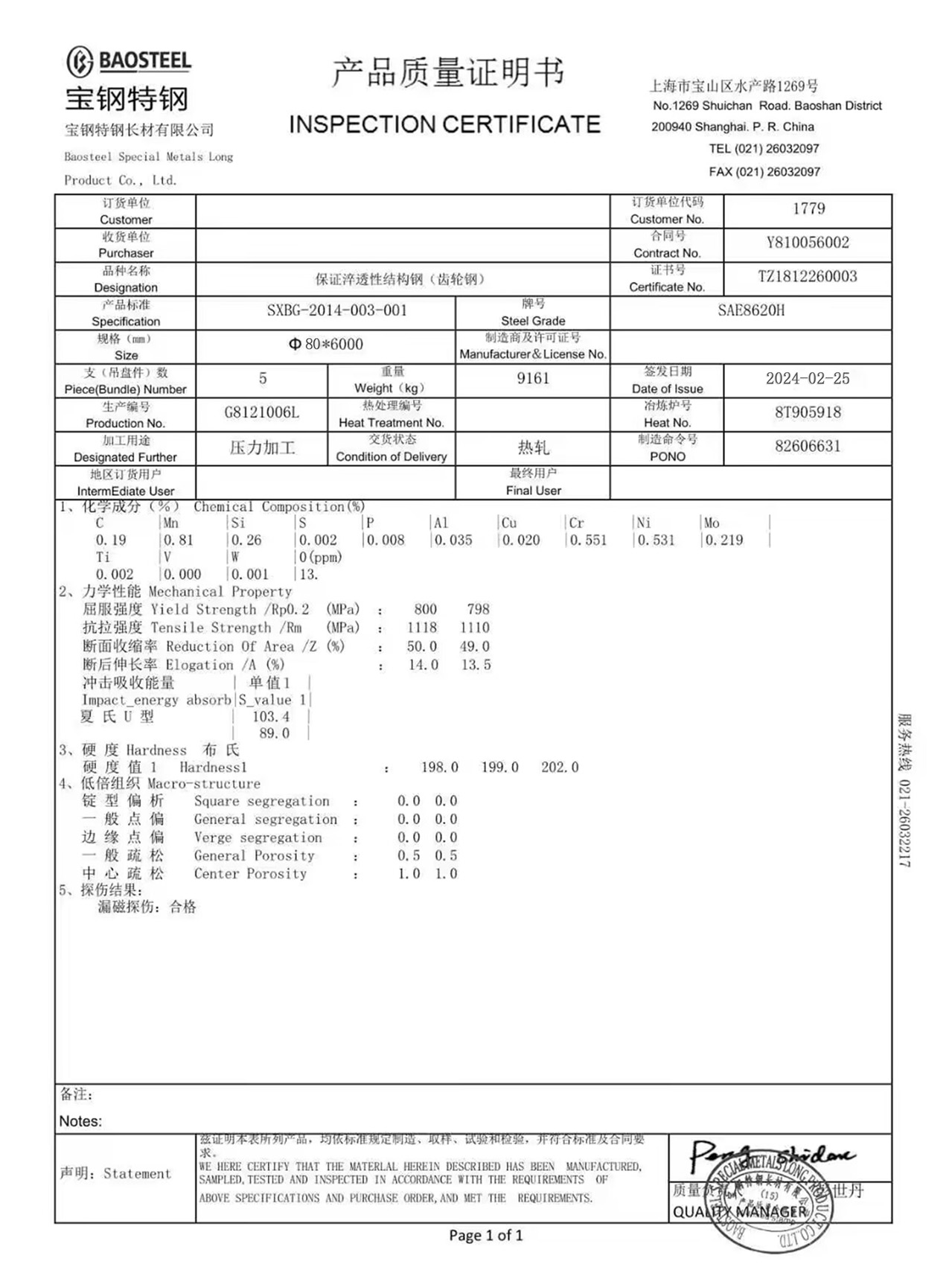
We have a professional team to control the quality. Experienced engineers, precision machines, CMM and QC system
Customer Service
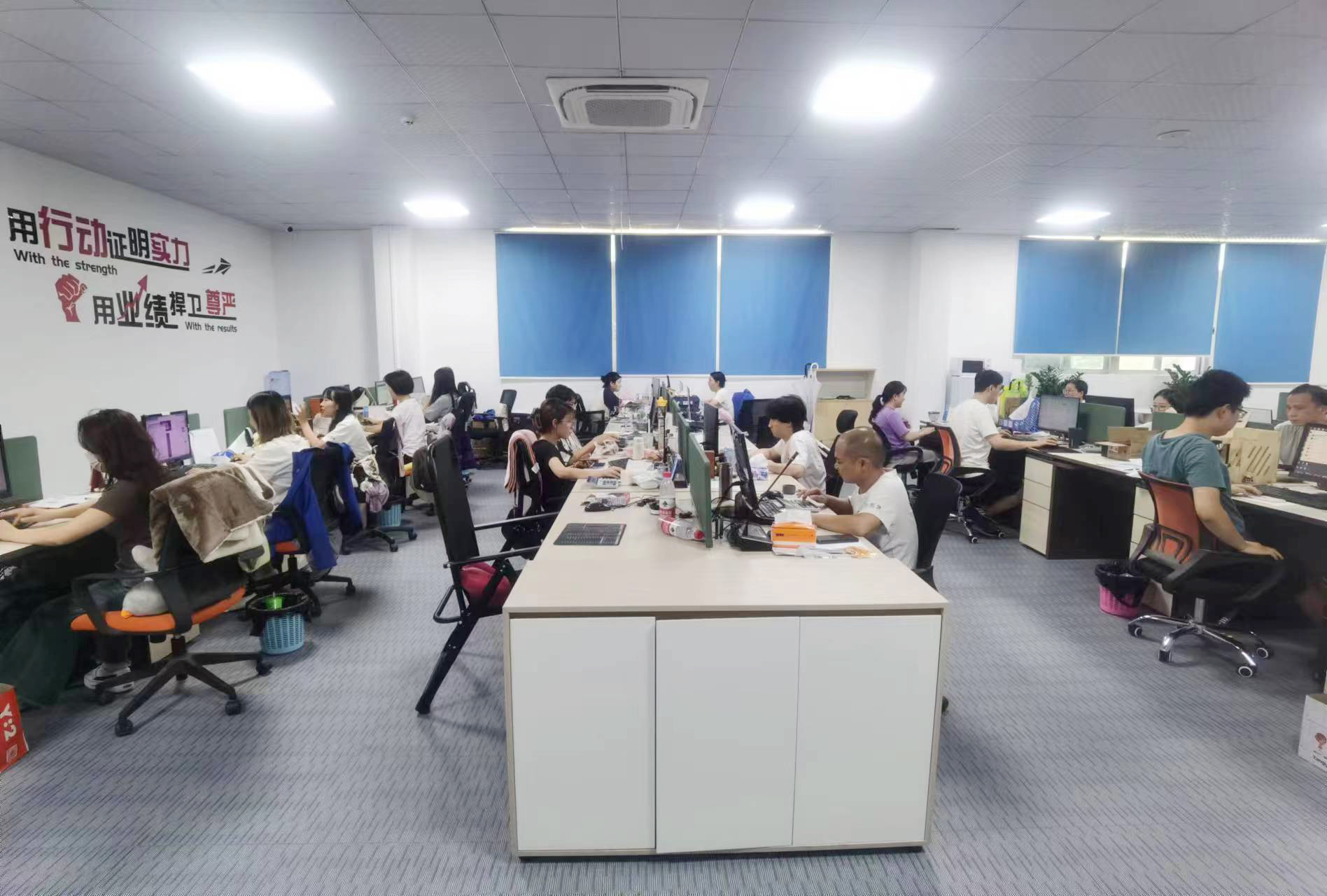
Every client is served by a specialized sales for timely technical support and after-sales service