


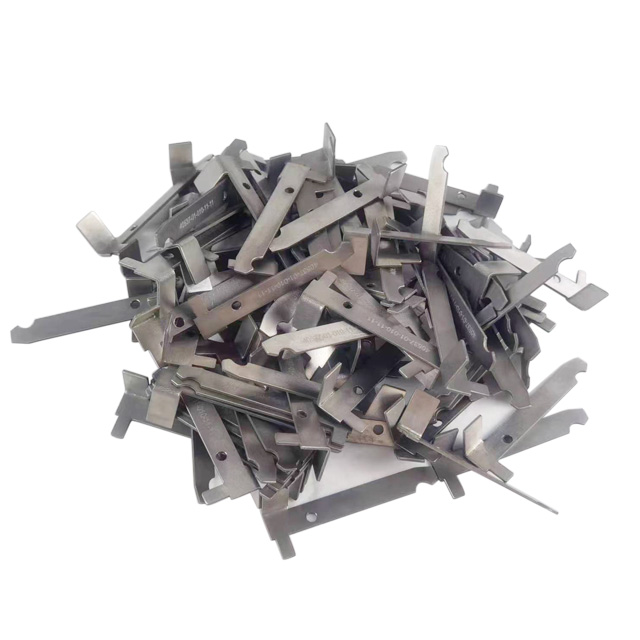
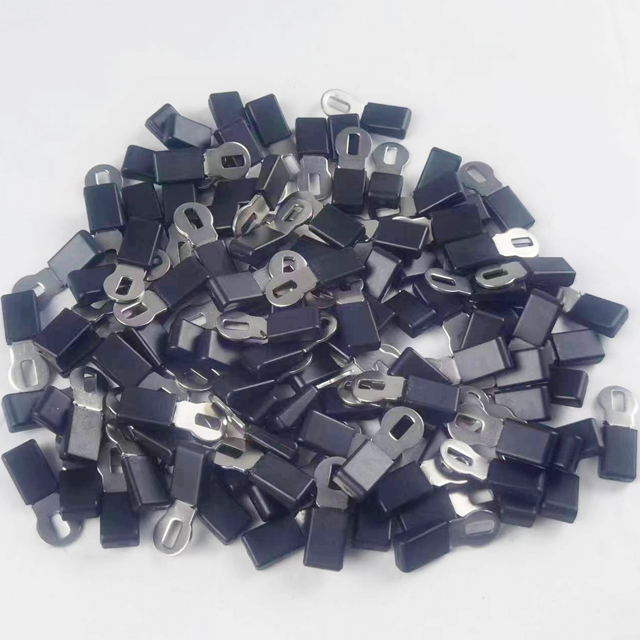
Metal fabrication and bending, including curved sheet metal and stainless steel bending, provide versatile solutions for precision industrial applications.
Hongsinn-291
Transform Your Projects with Expert Metal Fabrication and Bending – Specializing in Curved Sheet Metal and Stainless Steel Bending for Precision Industrial Solutions. Trust Us for Quality and Customized Results.
Delivery
FOB
minimum order
1 piece
Supply Ability
5000piece / Week
Country of Origin
Shenzhen
Stock Time
7~15Day
Quantity:
US $0.10 - US $3.29 / piece
Metal fabrication and bending, including curved sheet metal and stainless steel bending, provide versatile solutions for precision industrial applications.
Metal fabrication and bending are essential processes in modern manufacturing, enabling the creation of high-quality components with precise shapes and angles. Techniques such as curved sheet metal bending and stainless steel sheet metal bending provide versatile solutions for industries that demand durability, precision, and aesthetic appeal. This article explores the significance of these processes, their applications, and their role in delivering reliable industrial solutions.
| |||||||||||||||||||||||||
What is stainless steel bending?
Stainless steel bending is a mechanical process that deforms stainless steel material to form a desired shape without cracking or structural failure. In this process, the steel is bent, which can be done elastically (the material springs back to its original shape after bending) or plastically (the material retains its new shape after bending).
Bending typically changes surface angles, forming reshapes the entire surface, and folding may create sharp edges. Understanding these different methods is crucial for selecting the appropriate bending method, tools, and techniques to ensure the success of a project in meeting specific requirements.

Why is bending stainless steel challenging?
Bending stainless steel is a complex task, and its difficulty stems primarily from the following factors:
Metal Strength
Stainless steel has high strength and work hardens quickly, making it difficult to bend effectively during processing.
Stainless steel has high strength and work hardens quickly, making it difficult to bend effectively during processing.
Springback
Stainless steel materials exhibit significant elastic springback characteristics, meaning that the material is likely to return to its original shape after bending, affecting the accuracy of the result.
Stainless steel materials exhibit significant elastic springback characteristics, meaning that the material is likely to return to its original shape after bending, affecting the accuracy of the result.
Surface Finish
Surface finish is crucial during the bending process. Any scratches or marks can affect the appearance and function of the final product.
Surface finish is crucial during the bending process. Any scratches or marks can affect the appearance and function of the final product.
Risk of Cracks and Defects
Improper bending can lead to cracks or other structural defects, further increasing the difficulty of producing high-quality products.
Improper bending can lead to cracks or other structural defects, further increasing the difficulty of producing high-quality products.
Basic Principles of Stainless Steel Bending
During the bending process of stainless steel, the two inner layers of the material experience different deformation effects due to the applied force: one layer undergoes tension, while the other is subjected to compression. This process is influenced by several key factors, including ductility, elasticity, and work hardening.
Ductility
Ductility refers to the material's ability to bend without cracking, which is crucial for ensuring the quality of the finished product.
Ductility refers to the material's ability to bend without cracking, which is crucial for ensuring the quality of the finished product.
Elasticity
Elasticity allows the metal to spring back to its original shape after the force is applied. Irreversible plastic deformation only occurs when the applied force exceeds its elastic limit.
Elasticity allows the metal to spring back to its original shape after the force is applied. Irreversible plastic deformation only occurs when the applied force exceeds its elastic limit.
Work Hardening
Stainless steel undergoes work hardening during processing, meaning that its strength increases with the degree of deformation, thus affecting subsequent bending operations.
Stainless steel undergoes work hardening during processing, meaning that its strength increases with the degree of deformation, thus affecting subsequent bending operations.
FAQ:
1Q. What raw material are you looking for?
A: Different series of Carbon steel, stainless steel,SPCc, SGCc, pipe, galvanized.
2Q. What surface treatments are you looking for?
A: Anodizing,powder coating, polishing, zinc/nickel /chrome plating, hot dip galvanized, sandblasted ,etc.
3Q: What kind of service are you looking for?
A: Our company can provide OEM sheet metal fabrication,Sheet metal manufacturing comprehensive supporting supplier,Smart Device Overall Solution


