Sheet Metal Cutting and Bending, CNC Precision and Efficient Bending Services
What is sheet metal fabrication?
Sheet metal fabrication is a classification of manufacturing processes that shape a piece of sheet metal into the desired part through material removal and/or material deformation. Sheet metal, which acts as the workpiece in these processes, is one of the most common forms of raw material stock. The material thickness that classifies a workpiece as sheet metal is not clearly defined. However, sheet metal is generally considered to be a piece of stock between 0.006 and 0.25 inches thick. A piece of metal much thinner is considered to be"foil"and any thicker is referred to as a"plate". The thickness of a piece of sheet metal is often referred to as its gauge, a number typically ranging from 3 to 38. A higher gauge indicates a thinner piece of sheet metal, with exact dimensions that depend on the material.
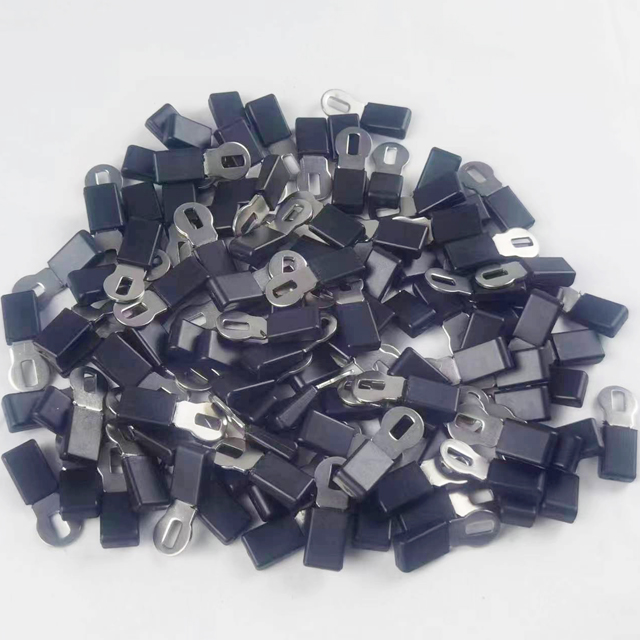
Product Name | Sheet metal fabrication,stamping parts,sheet metal parts |
Material | stainless steel,Aluminum,Steel,Brass,Copper,Bronze |
Color | Silver,yellow,black,red,blue.ect |
Surface treatment | Zinc/nickel/chrome plating,powder coating,painting,polishing,brushing |
Thickness | 0.006"-0.25", from 3 gauge to 38 gauge |
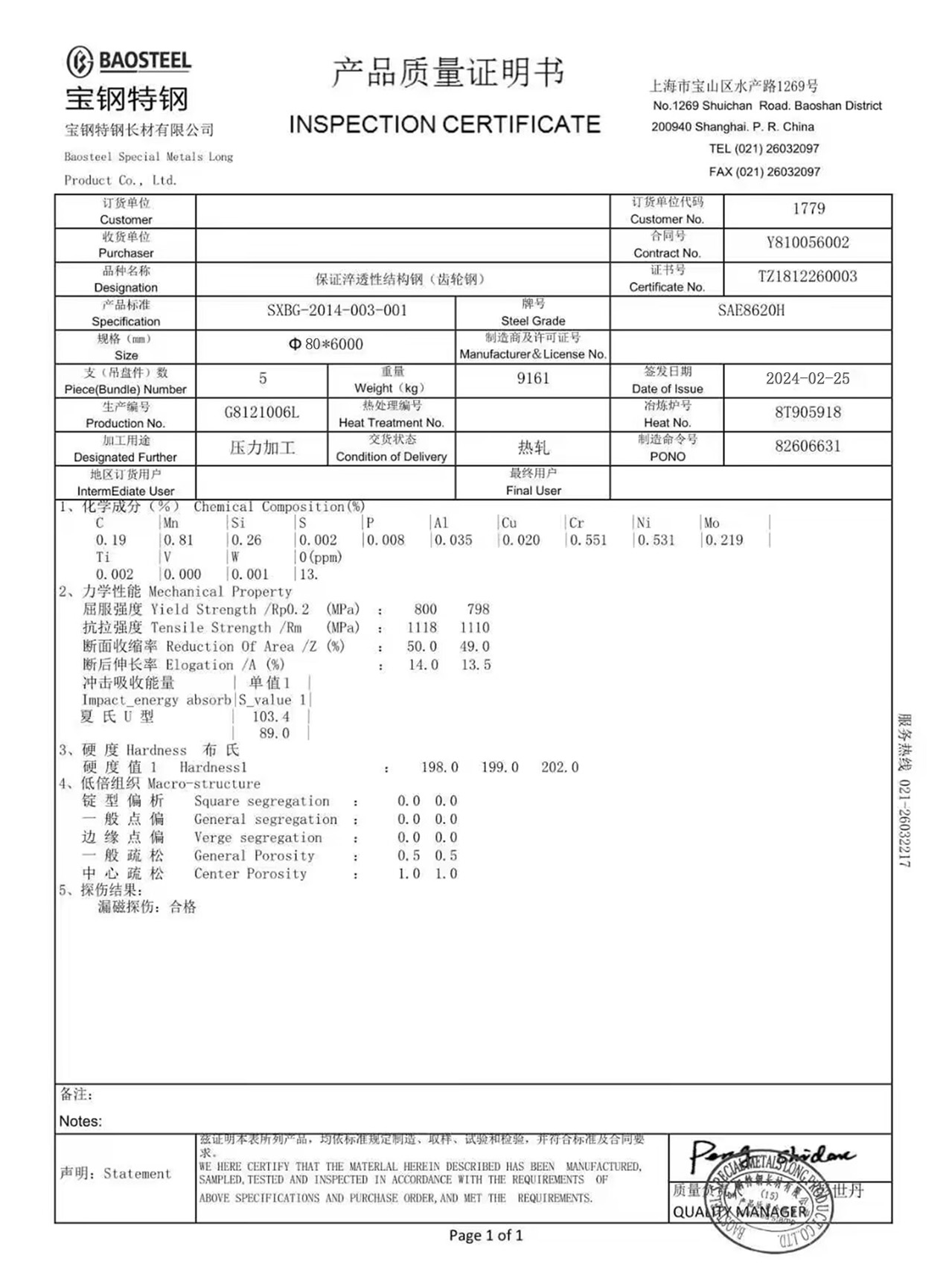
Certificate | ISO9001:2015 |
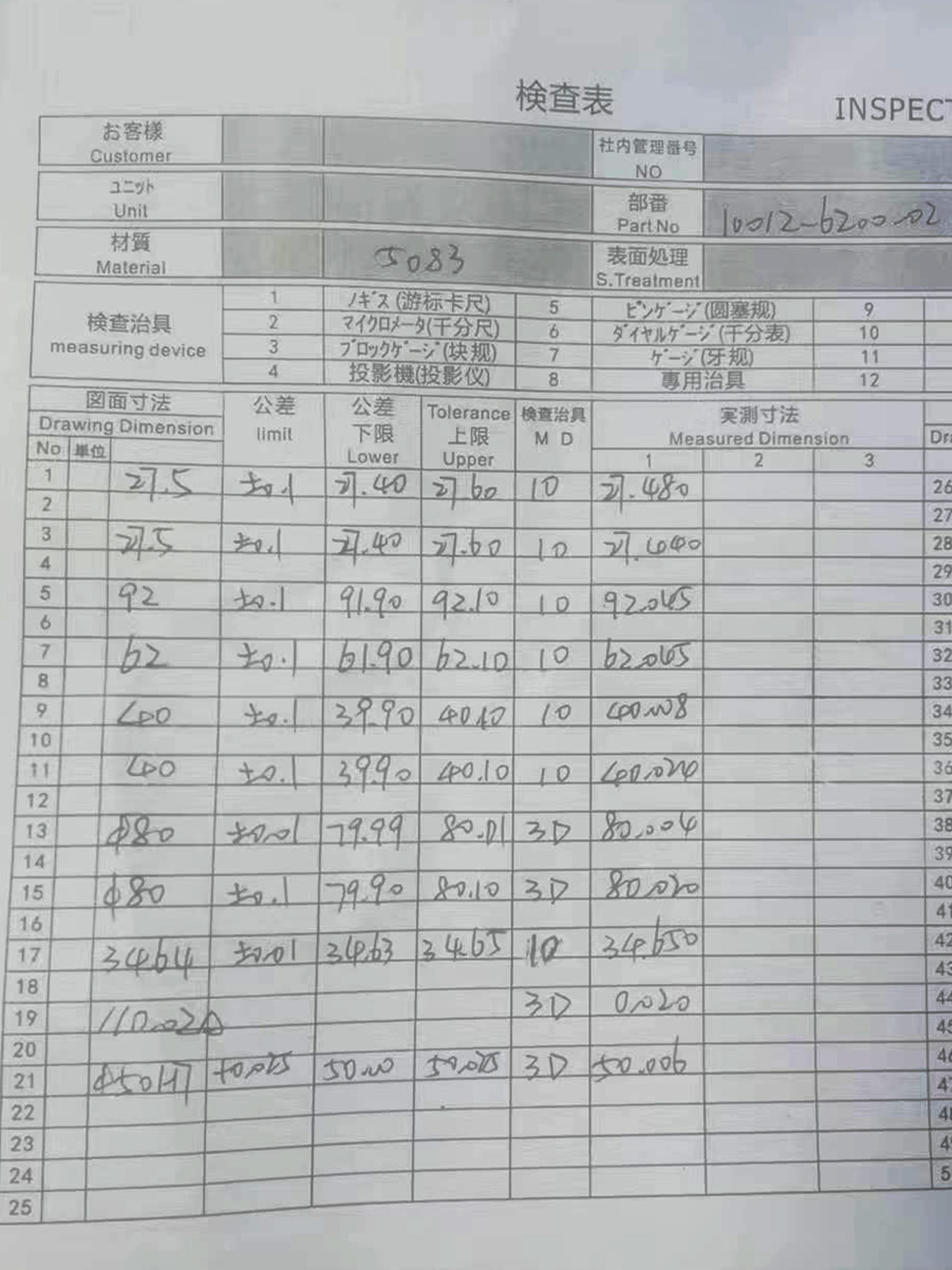
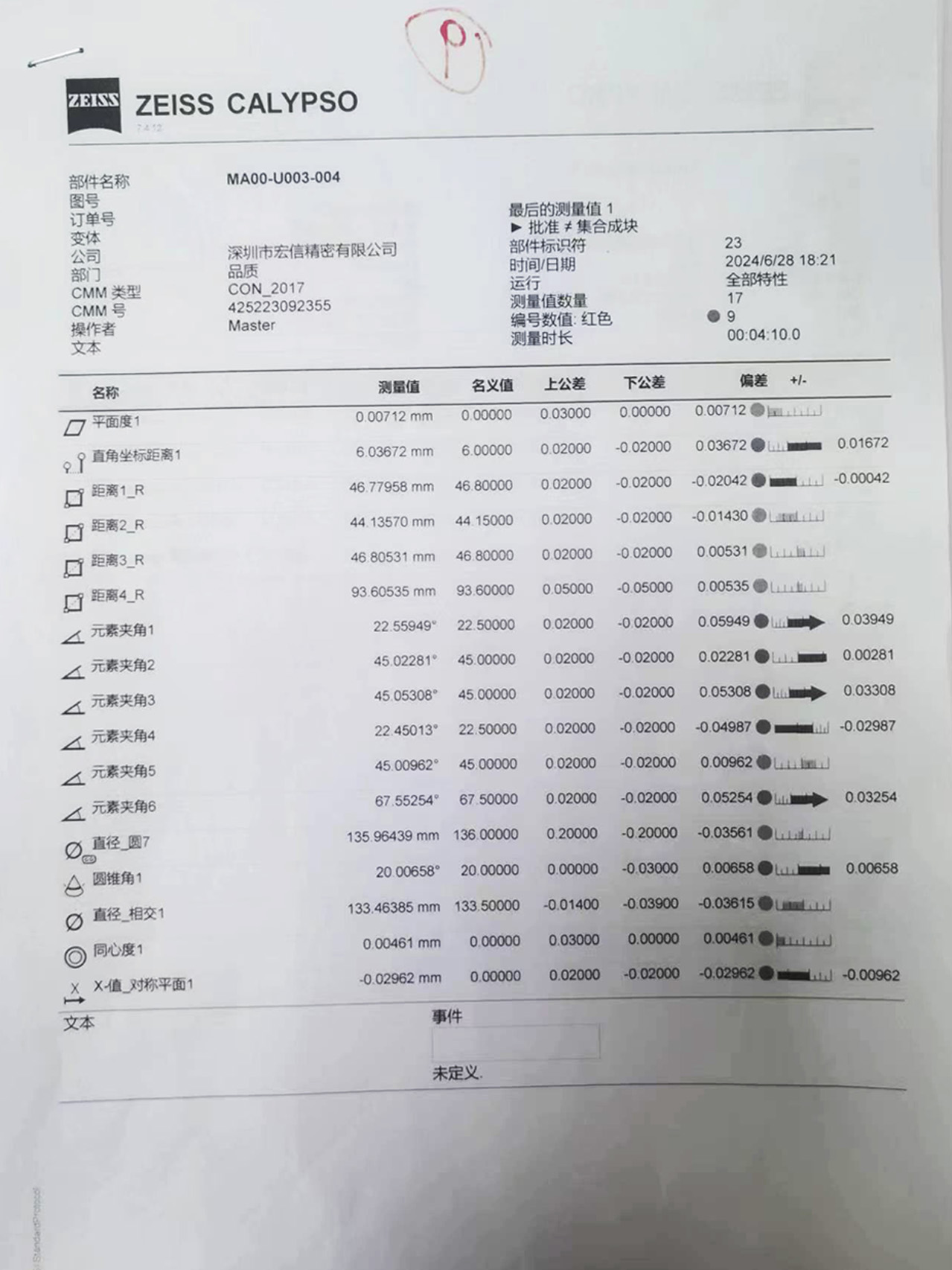
Inspection | SGS ,Salt Spray Test |
Specification | According to your drawing or sample |
Explore cutting and bending sheet metal services, including CNC sheet metal bending and traditional sheet bending techniques to meet your fabrication needs.
Process of sheet metal fabrication:
Sheet metal can be cut, bent, and stretched into a nearly any shape. Material removal processes can create holes and cutouts in any 2D geometric shape. Deformation processes can bend the sheet numerous times to different angles or stretch the sheet to create complex contours. The size of sheet metal parts can range from a small washer or bracket, to midsize enclosures for home appliances, to large airplane wings. These parts are found in a variety of industries, such as aircraft, automotive, construction, consumer products, HVAC, and furniture.