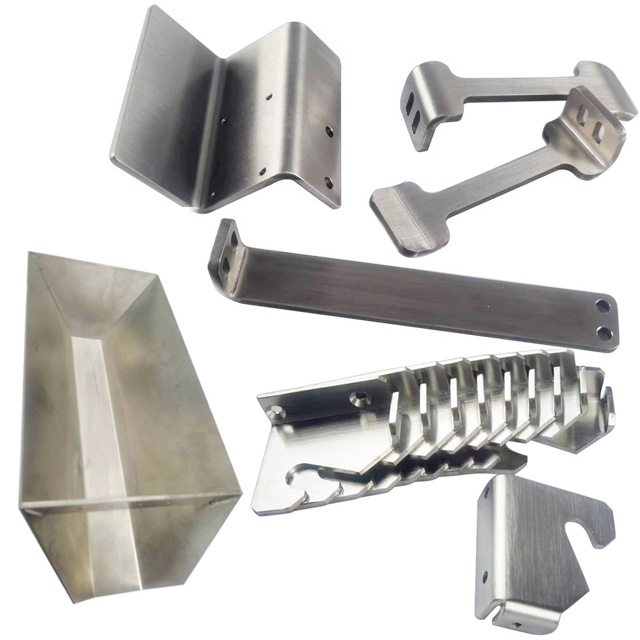
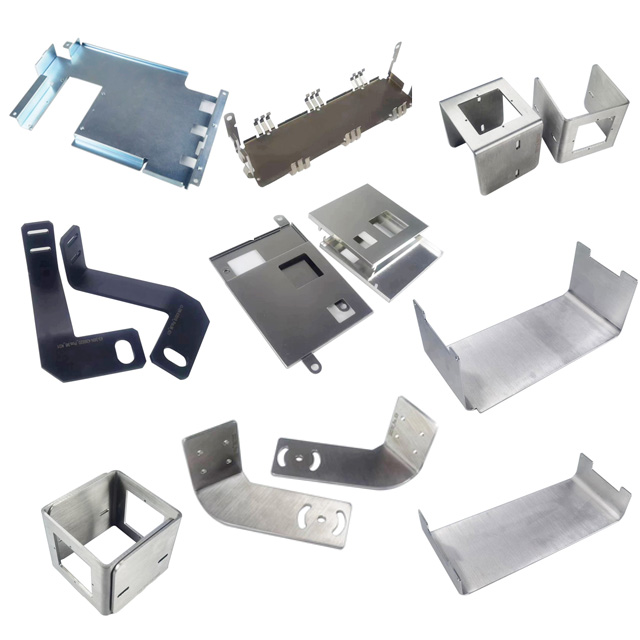
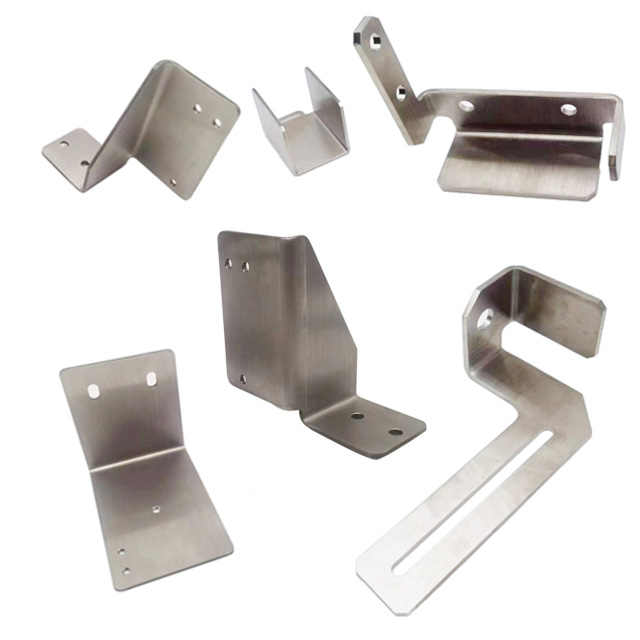
Exploring the hydroforming, hot stamping, and hemming processes in sheet metal fabrication.
Exploring the hydroforming, hot stamping, and hemming processes in sheet metal fabrication.
The hot stamping process in sheet metal fabrication is a powerful method that offers numerous benefits in creating high-strength, lightweight components. This article delves into the intricacies of hot stamping, exploring the techniques involved, its wide-ranging applications, and the advantages it brings to the manufacturing industry.
Material | Q235&Q345 steel, zinc-plate sheet, SS, aluminum, copper, etc |
Size | Custom as per the drawing or sample |
Thickness of material | 0.2-20mm |
Process | Laser cutting, stamping, bending, deep drawing, welding, etc |
Tolerance | Generally +/-0.1mm |
Surface finish | Galvanization, chrome plate, powder coating, anodizing, etc |
Packing way | To be packed in carton box, carboard case,pallet or plywood case |
Samples service | Avaliable before bulk order |
Understanding the Hot Stamping Process
Hot stamping, also known as press hardening or hot forming, is a manufacturing technique used to produce complex-shaped components with exceptional strength and durability. The process involves heating a sheet of high-strength steel to a critical temperature, followed by rapid cooling in a water-cooled die to achieve the desired shape and properties.
Techniques Used in Hot Stamping
Heating: The sheet metal is heated to temperatures above its transformation point, typically in a furnace or induction heating system.
Forming: The heated sheet is then transferred to a press where it is formed into the desired shape using a cooled die.
Quenching: Rapid cooling of the formed part in the die using water or a quenching medium to achieve high strength and hardness.
Applications of Hot Stamping in Sheet Metal Fabrication
The hot stamping process finds widespread applications in the automotive industry for producing components such as structural reinforcements, safety components, and lightweight parts. By utilizing high-strength steels and advanced forming techniques, manufacturers can create components that meet stringent safety and performance standards while reducing overall weight and improving fuel efficiency.
Advantages of Hot Stamping
- High Strength: Hot stamped components exhibit exceptional strength and stiffness, making them ideal for structural applications.
- Complex Geometry: The process allows for the production of intricate and complex shapes with minimal springback.
- Lightweight Design: Hot stamping enables the use of lightweight materials without compromising on strength, contributing to enhanced fuel efficiency and reduced emissions.
- Cost-Effectiveness: By eliminating the need for additional heat treatment processes, hot stamping can lead to cost savings in production.