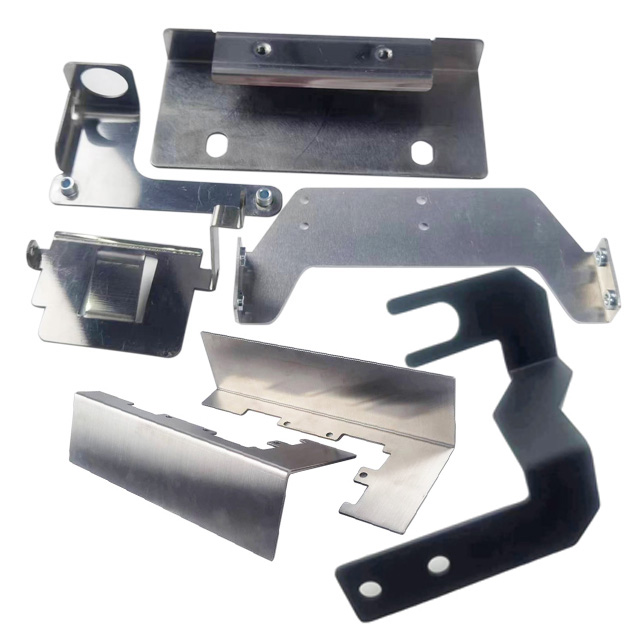
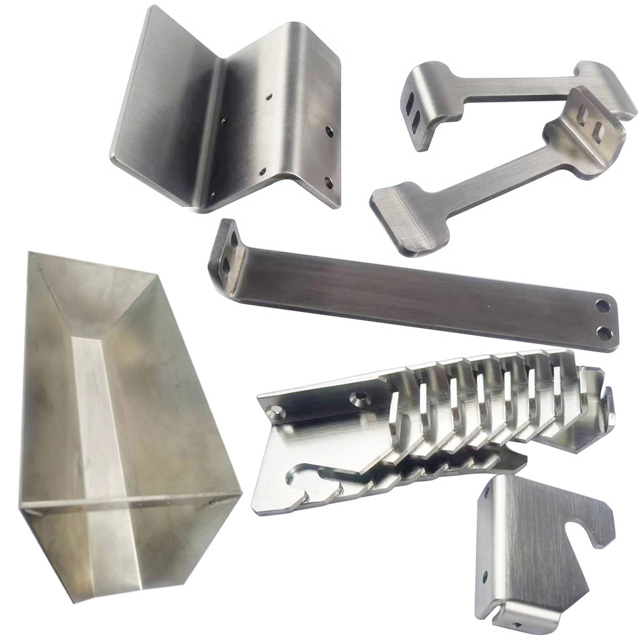
Sheet metal processes like ironing, hemming, and flaring are essential techniques used in metal fabrication.
Sheet metal processes like ironing, hemming, and flaring are essential techniques used in metal fabrication.
Material | Aluminum, stainless steel, copper, brass, galvinized etc. |
Size | Customized |
Surface treatment | Powder coating, electroplating, oxide,anodization |
Technics | laser cut, bend, weld, stamp |
Certification | ISO9001:2015 |
OEM | Accept |
Drawing Format | 3D/CAD/Dwg/IGS/STP |
Color | Customized |
Application | Appliance, Auto, Building, Capital equipment, Energy, Instrumentation, Medical device, Telecommunications |
Understanding the Hemming Process
The hemming process is commonly used in various industries, including automotive, aerospace, and construction, where precision and quality are paramount. By folding the edge of the metal sheet, a hem is formed, which not only increases the strength of the component but also conceals sharp edges, reducing the risk of injury during handling and use.
Benefits of Hemming
One of the primary advantages of the hemming process is its ability to join two metal sheets without the need for additional fasteners or welding. This results in a clean and seamless appearance, making it ideal for applications where aesthetics are important. Additionally, hemmed edges provide enhanced resistance to corrosion and weathering, prolonging the lifespan of the metal component.
The Hemming Technique
There are various methods of hemming, including edge hemming, overlap hemming, and flange hemming, each suited to different applications and requirements. Edge hemming involves bending the edge of a metal sheet at a specific angle, while overlap hemming requires one sheet to be placed over another before folding. Flange hemming, on the other hand, involves folding the edge of a metal sheet to create a flange that overlaps with another sheet.
Quality Control and Precision
Precision is key in the hemming process to ensure that the folded edge aligns perfectly and maintains consistent thickness throughout the component. Quality control measures, such as dimensional inspections and material testing, are essential to guarantee the structural integrity and performance of the hemmed metal component.