Custom Laser Cut Solutions
Hongsinn-827
Our custom laser cut services offer tailored solutions for various materials, ensuring accuracy and quick turnaround for your projects.
Delivery
FOB
minimum order
1 piece
Supply Ability
5000piece / Week
Country of Origin
Shenzhen
Stock Time
7~15Day
Quantity:
US $0.59 - US $10.68 / piece
Our custom laser cut services offer tailored solutions for various materials, ensuring accuracy and quick turnaround for your projects.
The precision manufacturing industry relies heavily on specialized capabilities for laser cut steel plate, comprehensive industrial laser cutting services, and personalized custom laser cut solutions.
Product Name | ||||
Available Materials | Aluminum,steel,stainless Steel,brass,copper,iron, Etc | |||
Surface treatment | All kinds of surface treatments are available, polishing, zinc plating, nickel plating, chrome plating, powder coating, and phosphate coating. | |||
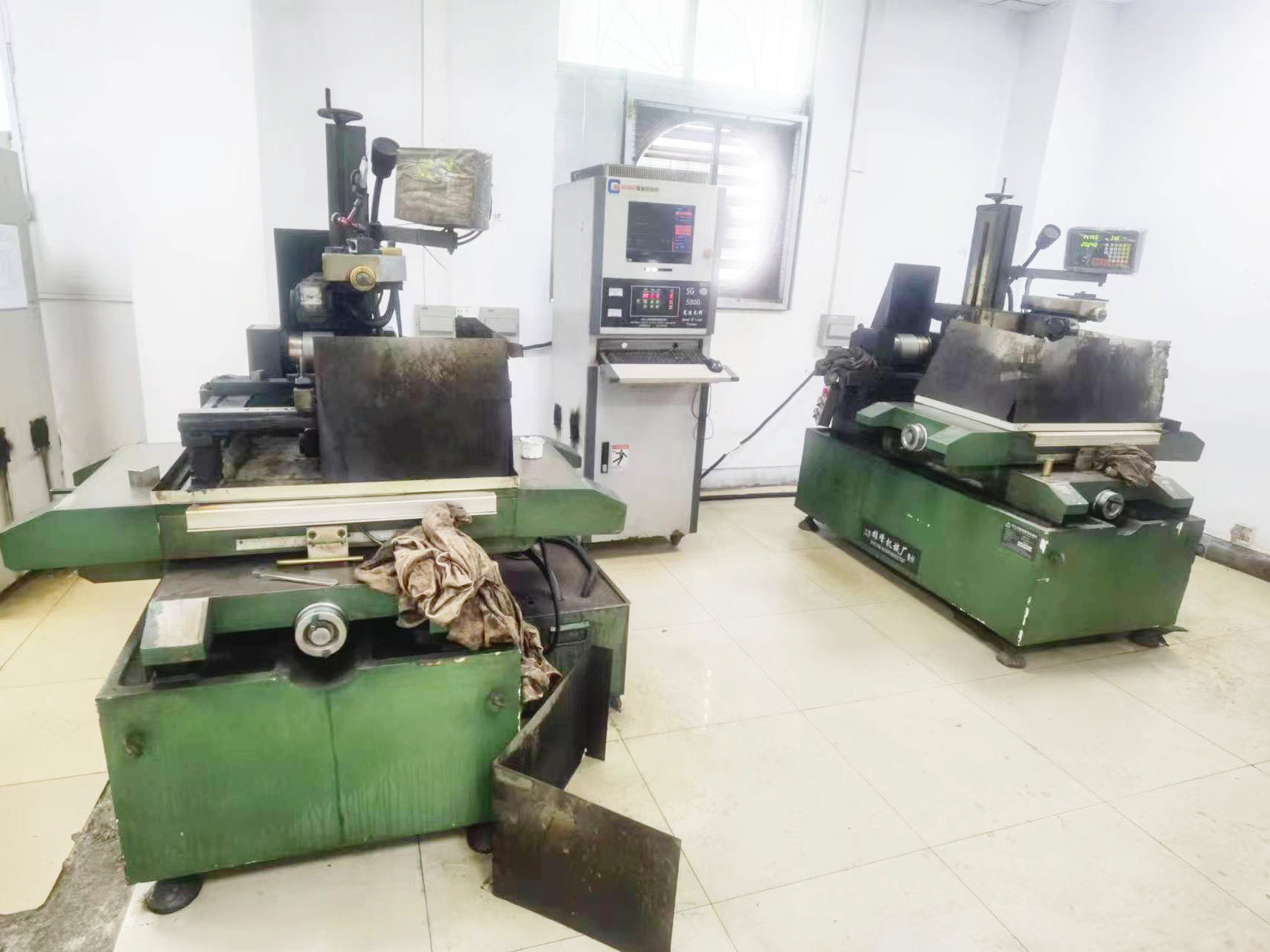
Processings | Laser Cutting, Precision Stamping, CNC Bending, CNC Milling, CNC Turning, Threading, Riveting, Drilling, CNC Punching, Die Casting, Laser Welding, etc. | |||
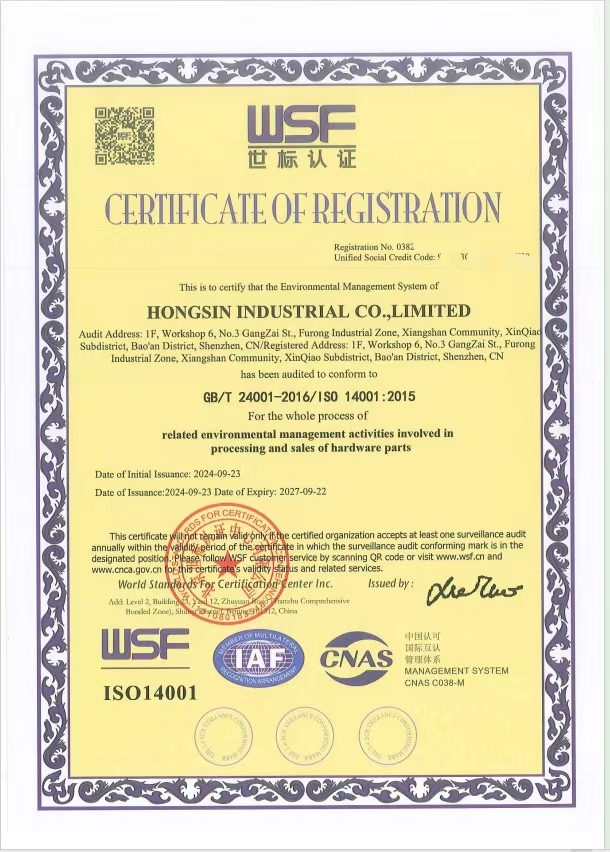
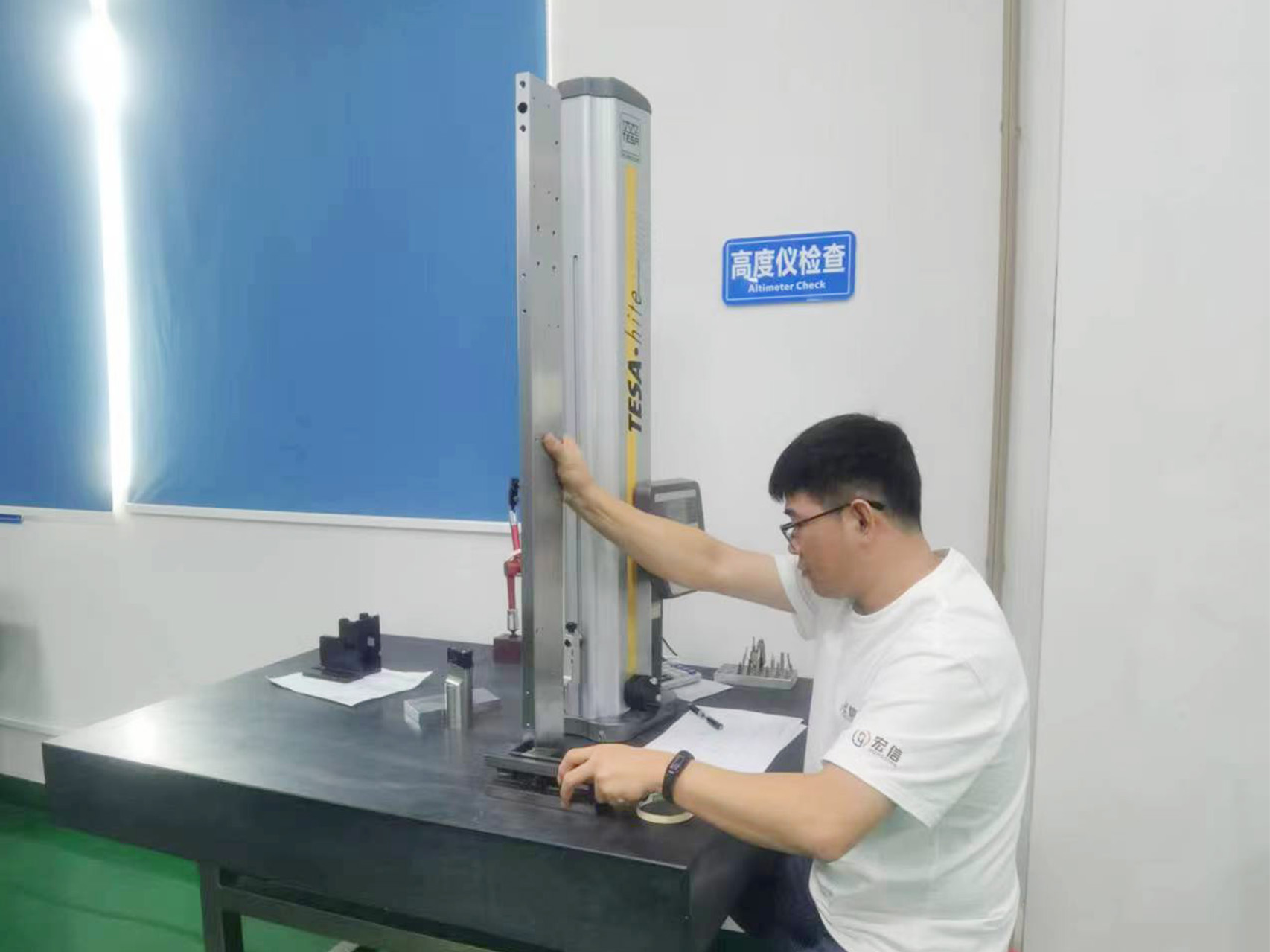
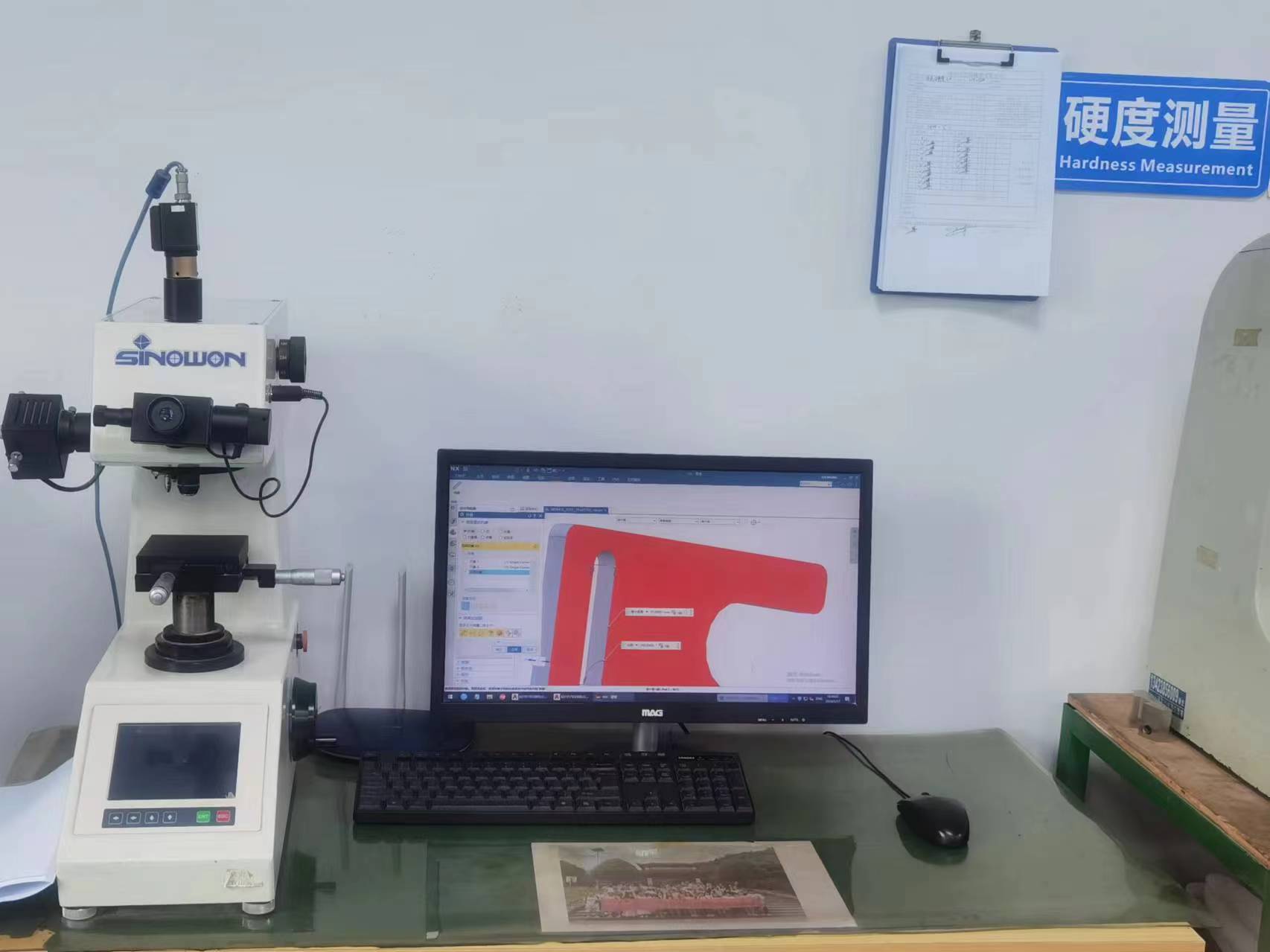
Tolerance | DIN ISO 2768, 100% QC quality inspection before delivery, can provide quality inspection form. | |||
Drawing Accepted | IGS、STP、X_T、DXF、DWG、Pro/E、PDF | |||
QC System | Full inspection before shipment for every processing | |||
Sample Cost | Free of Sample Cost. Normally is USD 35~110 per Style Of Special Design We Need Sample Charge, Can Refund when You Have Official Bulk Order. | |||
Delivery Time | 1-15 days after order with prepayment based on products structure and quantity | |||
Shipment Terms | 1) 0-100kg: express & air freight priority 2) >100kg: sea freight priority 3) As per customized specifications | |||
Advantages of Laser Cutting Services
Compared to other subtractive manufacturing processes (such as CNC machine tools), laser cutting machines offer several significant advantages:
Precision: During laser cutting, the amount of material burned off or nicked is extremely small, typically less than 1 millimeter. This allows laser cutting to provide higher precision compared to CNC milling machines, which use larger drill bits and typically produce rounded corners rather than sharp angles. Laser cutting machines operate from vector files, producing highly detailed parts that closely match or perfectly match the original design expectations.
Speed: Setting up a laser cutting machine is simpler than with a CNC machine tool, requiring no complex fixtures. Clamping is usually unnecessary if the material is safe. Reuse and switching to other laser-cut products are also faster because there is virtually no material waste. Different diodes or laser emitters allow the same device to be used multiple times without changing the cutting head. Furthermore, laser cutting typically does not produce rough edges and requires almost no post-processing.
Operability: The adaptability of laser cutting to a wide range of materials is a positive factor. These materials include denser materials such as metals and wood, as well as softer, finer materials such as cardboard, and can be cut to tight specifications. In addition, laser cutting machines typically require far less space than CNC machine tools.
What is sheet metal?
Sheet metal is a flat piece or strip of metal made from various metal materials, such as aluminum, brass, copper, steel, tin, nickel, or titanium. This thin sheet of metal is typically flat and is one of the most basic materials in metalworking. Due to its excellent ductility, it can be cut and bent into various shapes.
Sheet metal products are often used in decorative applications and are typically made from precious metals such as gold, silver, or platinum. You may not realize it, but many everyday items around you are made of sheet metal, from car bodies, aircraft fuselages and wings, to medical tables, sinks, and building roofs and machinery.
Historically, the first use of sheet metal can be traced back to the manufacture of swords and cavalry armor. Today, sheet metal services also extend to decorative uses, such as horse nails, jewelry, and sculptures. Sheet metal varies significantly in thickness; the thinnest sheets are called foil or leaves, while those thicker than 6 millimeters (0.25 inches) are considered plates.


Sheet Metal Services: Manufacturing Technology
In sheet metal manufacturing, reducing complexity is a key rule of thumb for cost reduction. This principle applies to the design phase; by using simple folds and designs, production costs can be significantly reduced. Here are some key manufacturing techniques and considerations:
Folding and Bending: Folds used in the design should ensure that the angle is equal to or greater than the radius of the sheet thickness. It is important to pay attention to the maximum bending force the material can withstand and the bending allowance.
Limit Control: Exceeding these limits can affect the performance of the finished product, leading to breakage and material waste. Bending should have a consistent radius and uniform direction to avoid movement and repositioning of parts during manufacturing.
Thickness Handling: Small bends should be avoided on thicker materials, as this leads to forming difficulties and reduced accuracy.
Simplified Material Handling: Each time a sheet metal is transferred from one machine to another, different folding, bending, and cutting steps are introduced, increasing labor costs. By introducing automation, unnecessary steps can be eliminated, errors reduced, and costly material waste decreased.
Material Forming Technology: The methods of manipulating materials for forming include bending, rolling, forming, expansion, and stamping, all of which depend on the required tolerances. To control costs, necessary tight tolerances should be limited. Some designs require tight tolerances and may not allow for excessive bending; in such cases, the design should be broken down into multiple parts and assembled using methods such as fixing, bolting, or welding.
Specifications and Consultation: Referring to guidelines or consulting experts to confirm the specific requirements for the tolerances and thicknesses of a particular metal helps achieve optimal design results.