


Explore sheet metal cutting processes, manufacturing sheet metal components, and the restrike process in detail.
Explore sheet metal cutting processes, manufacturing sheet metal components, and the restrike process in detail.
One-Stop Custom Precision Sheet Metal Fabrication Parts | |
Processing | Laser Cutting,Stamping&Punching Precision Bending Sheet Metal Fabrication, Tig Welded Assembly,Products Devolp... |
Available Material | Stainless Steel, steel, Aluminum, Carbon steel, Mild steel, Cold roll, steel, Brass, Copper, Zinc Alloy, Zinc, etc. |
Surface Treatment | Power coating,zinc plated,Polishing, Plating, Brush, Skill-screen etc. |
Drawing Format | CAD, PDF, SOLIDworks etc. |
Quantity | Mass Products And Samll Orders Are Both Accept. |
QC inspiration | 100% Qc Inspiration According To Your Drawing. |
Lead Time | Prototype: 1-3Days, Mass Production :Within 15Days |
Tolerance | +/-0.2Mm, 100% Qc Quality Inspection Before Delivery, Can Provide Quality Inspection Form. |
Pricing Term | EXW, FOB, CIF, etc. |
Shearing: Shearing is a common method used to cut straight lines on flat metal stock. It involves applying a shearing force that causes the material to yield and separate along a linear path.
Laser Cutting: Laser cutting is a precise and versatile cutting process that uses a high-powered laser beam to cut through sheet metal. This method is ideal for intricate designs and complex shapes.
Waterjet Cutting: Waterjet cutting utilizes a high-pressure stream of water mixed with an abrasive substance to cut through sheet metal. It is a cold cutting process, which means it does not create a heat-affected zone, making it suitable for a wide range of materials.
Plasma Cutting: Plasma cutting involves ionizing gas to create a plasma arc that melts the metal and blows away the molten material to cut through the sheet metal. This method is fast and suitable for cutting thick materials.
Mechanical Cutting: Mechanical cutting processes, such as sawing, punching, and milling, are also used for sheet metal cutting, depending on the material and desired outcome.
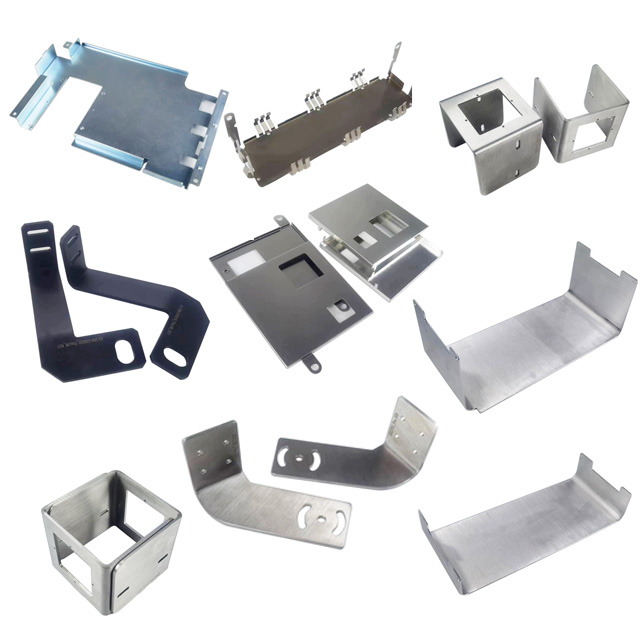
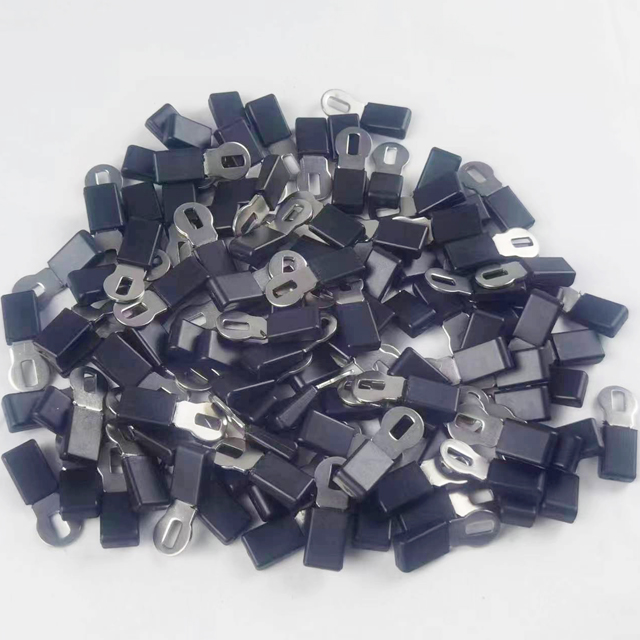

By understanding the different sheet metal cutting processes available, manufacturers can choose the most suitable method for their specific needs, leading to efficient production and high-quality components.
In conclusion, sheet metal cutting processes play a vital role in the manufacturing industry, offering a range of techniques to cut and shape sheet metal efficiently. Whether it's shearing, laser cutting, waterjet cutting, plasma cutting, or mechanical cutting, each process has its advantages and applications, contributing to the creation of diverse sheet metal components.


