


Diverse 3D Printing Services: Steel, Silicone, and Custom Parts
HS-111
Our engineers excel in utilizing a range of software tools including AutoCAD, ProEngineer, SolidWorks, SketchUp, 3D Max, and other 2D & 3D software. Proficient in design and development, we offer the capability to produce and deliver your Purchase Order (PO) in alignment with your specifications, whether based on drawings, samples, or conceptual ideas. Our expertise extends to the customization of non-standard and OEM products, ensuring precise control over the manufacturing process to meet your unique requirements
Delivery
FOB
minimum order
1 piece
Supply Ability
5000piece / Week
Country of Origin
Shenzhen
Stock Time
7~15Day
Quantity:
US $0.29 - US $6.79 / piece
Our engineers excel in utilizing a range of software tools including AutoCAD, ProEngineer, SolidWorks, SketchUp, 3D Max, and other 2D & 3D software. Proficient in design and development, we offer the capability to produce and deliver your Purchase Order (PO) in alignment with your specifications, whether based on drawings, samples, or conceptual ideas. Our expertise extends to the customization of non-standard and OEM products, ensuring precise control over the manufacturing process to meet your unique requirements
Looking for precision in manufacturing?
Our steel 3D printing service offers durability and strength for your projects. For more intricate designs, our silicone 3D printing service provides flexibility and detail. Whether you need prototypes or final products, our 3D print parts service ensures quality across the board. Explore these innovative technologies with us today.
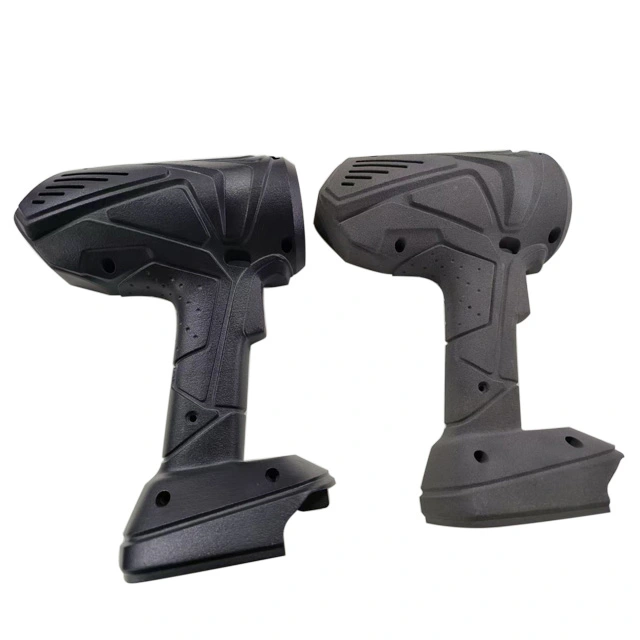
Some Popular Processes for Prototypes:
1.3D printing, there are some popular process, such as SLA, FDM, SLS, FFF.
2.Vacuum Casting. The material is more stronger than the SLA process.
3.CNC machining, the material can be same as the future mass production, which can save the mould cost.
4. Sample Mould with 1 Cavity.
Item | |
Material | ABS, PC/ABS, PP, PC, POM(Acetal/Delrin), Nylon 6, Nylon 6/6, PA 12, HDPE, LDPE, PS(HIPS), PMMA(Acrylic), SAN/AS, ASA, PVC, UPVC, TPE, TPR, PU, TPU, PET, PEI(Ultem), PSU, PPSU, PPE/PS, PTFE(Teflon), GPPS, PPS, PPO, PES, CA, etc. If there is any special requirements on material performance, Such as Operating Temperature, UV resistance, UL standard, High transparent, Wear Resistance, Etc... If you do not know what kind of material to use, pls advise us what is the usage of these parts? Then we can make some recommend for you. |
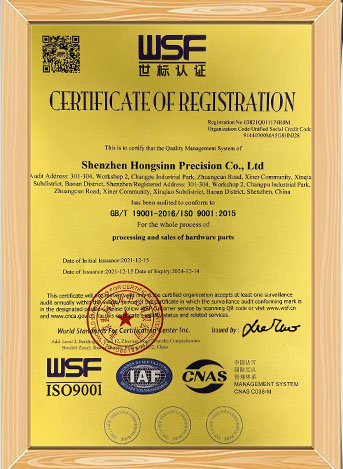
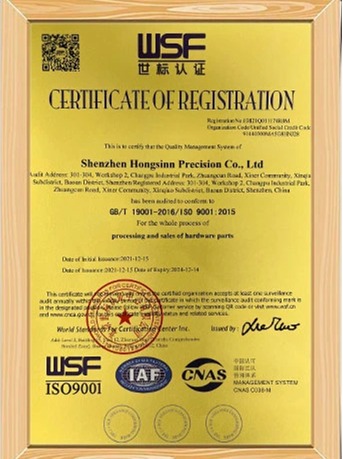
Certificate | IATF 16949:2016 / ISO 9001:2015 / ISO 45001:2018 / ISO 14001:2015 /REACH/ROHS/MSDS/LFGB |
Drawing Format | .stp / .step / .igs /.stl /.dwg / .pdf. etc. |
Color | Almost all PMS colors available. |
Parameters | Inch, centimeter, millimeter, etc. |
Surface Treatment | Matte, Common polishing, Mirror polishing, Texture, Plating, Power Coating (Painting), Laser Engraving, Brushing, Marbling, Printing etc. |
Packing | Pack in bulk / poly bag / bubble bag / color box. |
Price Tip | The price shown above is just for reference, final actual price depends on your design, material request, surface treatment, order qty, package request, etc. |
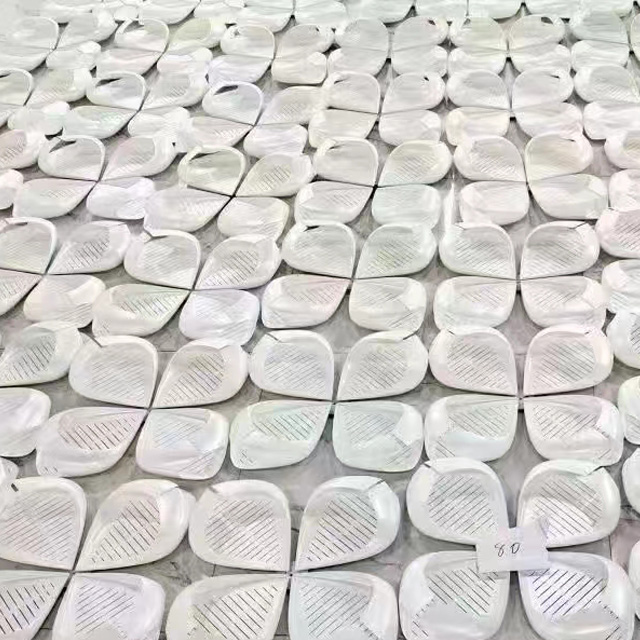


METAL 3D PRINTING - SLM / DMLS
The two technologies have many similarities: both use laser scanning and selectively fuse (or melt) metal powder particles, glue them together and build them layer by layer. Similarly, the materials used in both processes are granular metals.
The difference between SLM and DMLS is due to the basis (and patents) of the particle bonding process: SLM uses metal powder with a single melting temperature and completely melts the particles, while in DMLS, the powder is composed of materials with variable melting points at high temperatures Fusion at the molecular level.
Bering 3D provides 3D printing services for various metal materials such as stainless steel, die steel, titanium alloy, aluminum alloy, and bronze.
SELECTIVE LASER SINTERING - SLS
In the printing process of the SLS equipment, a high-power laser is used to fuse small particles of plastic powder into the required three-dimensional shape. The laser selectively fuse powder materials by scanning the three-dimensional data section on the surface of the powder bed. After scanning each section, the powder bed is reduced by a layer of thickness, a new layer of material is added to it, and the selective laser sintering process is repeated until the part is completed.
SLS 3D printing can be used not only for the prototype design of functional polymer components, but also for small production runs because it has high design freedom, high precision, and produces parts with good and consistent mechanical properties.
STEREO LIGHT CURING MOLDING - SLA
It mainly uses photosensitive resin as a raw material, and utilizes the characteristic that liquid photosensitive resin will cure quickly under ultraviolet laser beam irradiation. The photosensitive resin is generally liquid, and it immediately initiates a polymerization reaction and completes curing when irradiated with a certain wavelength of ultraviolet light (250 nm to 400 nm). SLA focuses on the surface of the light-curing material by focusing ultraviolet light of a specific wavelength and intensity to solidify it sequentially from point to line and from line to surface, thereby completing the drawing of a layered cross-section.
It mainly uses photosensitive resin as a raw material, and utilizes the characteristic that liquid photosensitive resin will cure quickly under ultraviolet laser beam irradiation. The photosensitive resin is generally liquid, and it immediately initiates a polymerization reaction and completes curing when irradiated with a certain wavelength of ultraviolet light (250 nm to 400 nm). SLA focuses on the surface of the light-curing material by focusing ultraviolet light of a specific wavelength and intensity to solidify it sequentially from point to line and from line to surface, thereby completing the drawing of a layered cross-section.









Recommend Products


