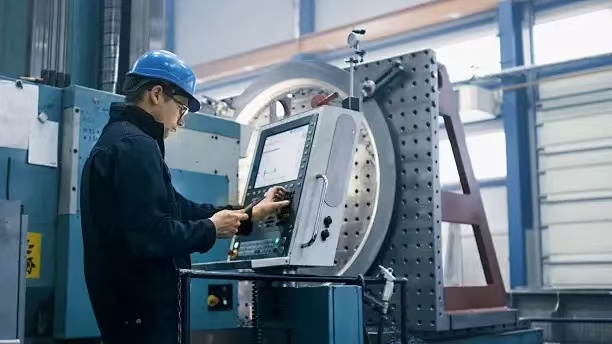
what is cnc machining
Understanding CNC Machining
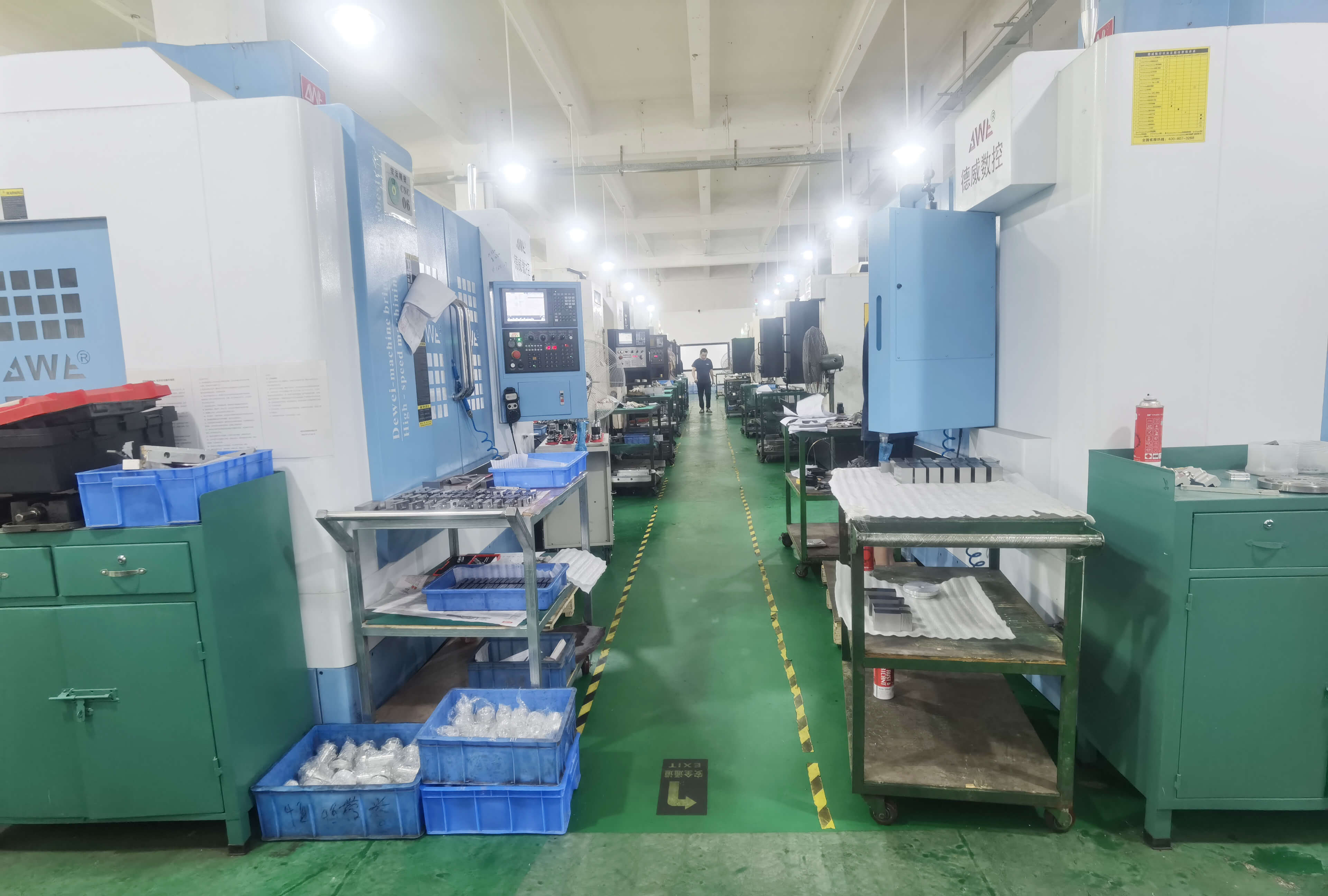
CNC machining, short for Computer Numerical Control machining, is a manufacturing process that utilizes computerized controls and machine tools to remove material from a workpiece. This subtractive manufacturing method allows for the creation of highly detailed and accurate parts across a wide range of industries.
How CNC Machining Works
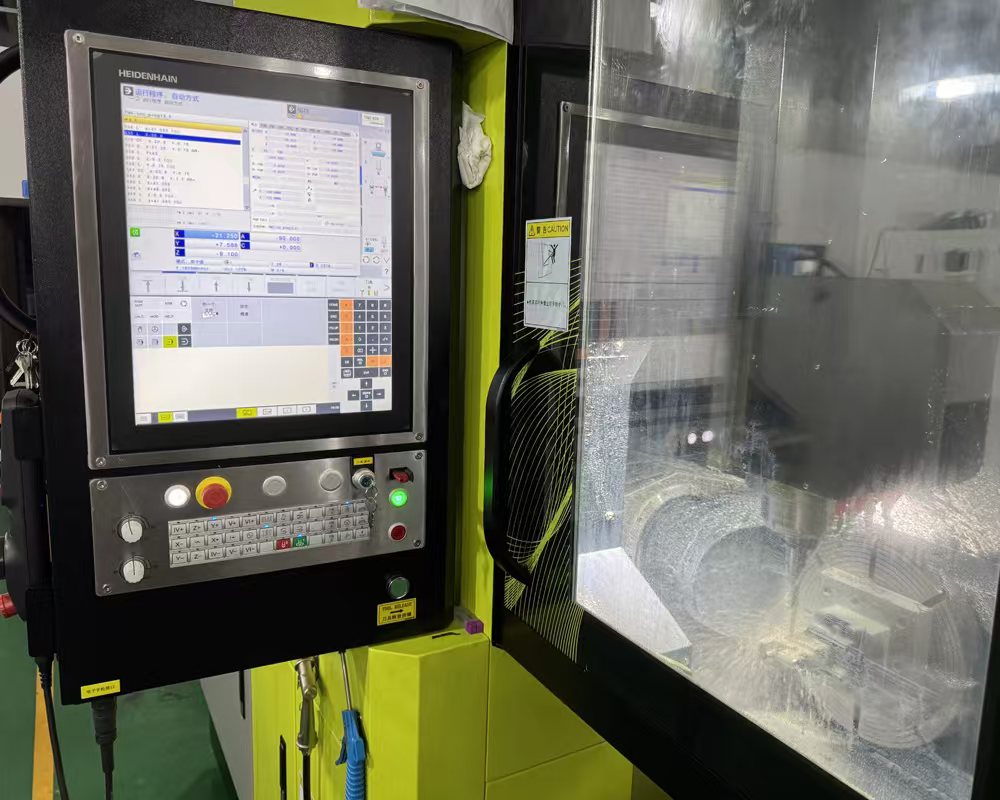
At the heart of CNC machining is a computerized control system that interprets CAD (Computer-Aided Design) models and converts them into precise instructions for the machining tool. These instructions dictate the movements of the cutting tool along multiple axes, allowing for the precise shaping and finishing of the workpiece.
Advantages of CNC Machining
-
Precision: CNC machining offers exceptional accuracy and repeatability, ensuring that each part produced meets exact specifications.
-
Efficiency: Automation in CNC machining leads to faster production times and reduced labor costs compared to traditional machining methods.
-
Versatility: CNC machines can be programmed to produce a wide variety of parts, from simple components to complex geometries, with minimal setup changes.
-
Quality: The automated nature of CNC machining reduces the likelihood of human error, resulting in consistent quality across production runs.
Types of CNC Machining Processes
-
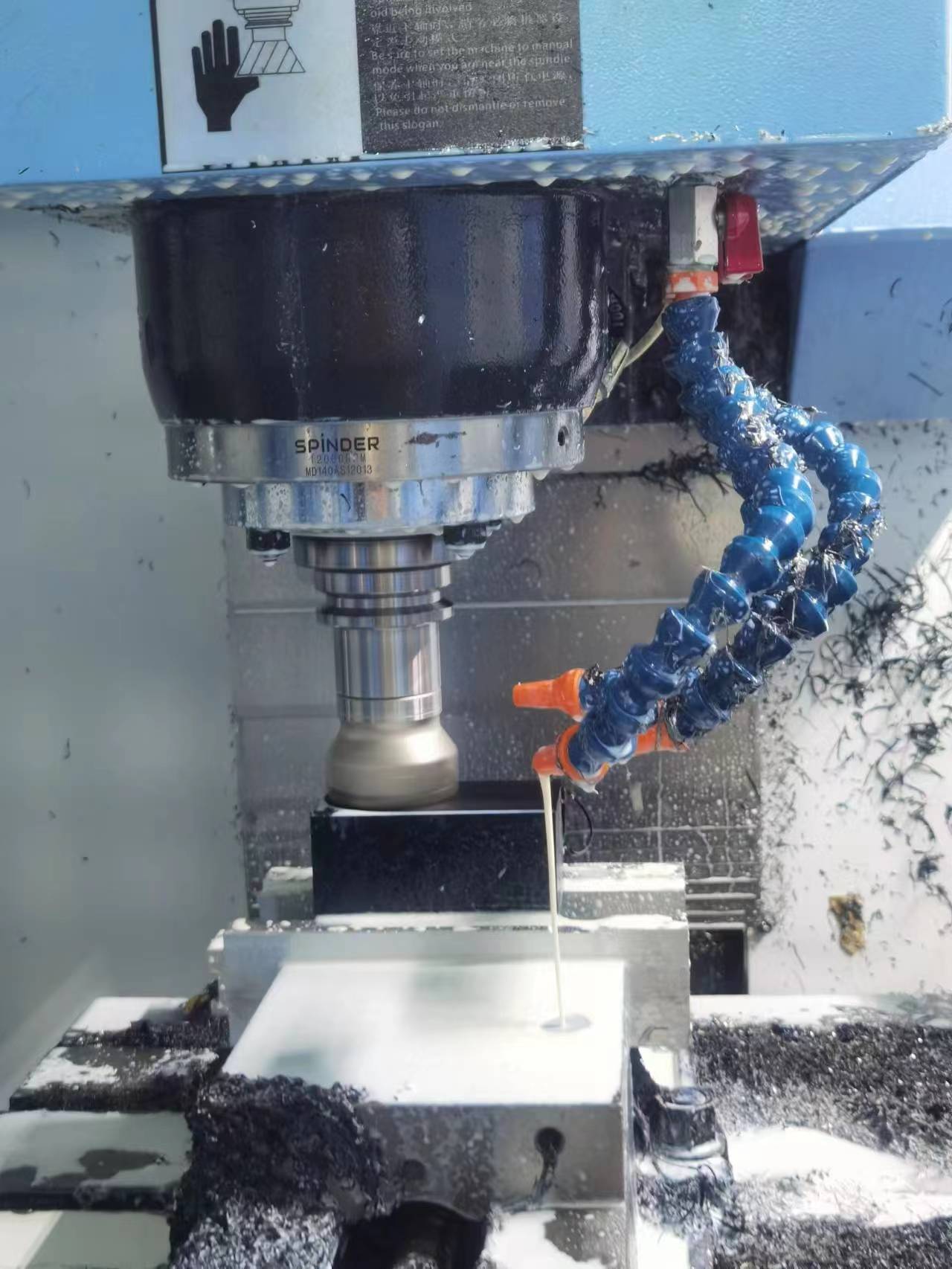
CNC Milling: Involves rotating cutting tools that remove material from a workpiece to create a desired shape or form.
-
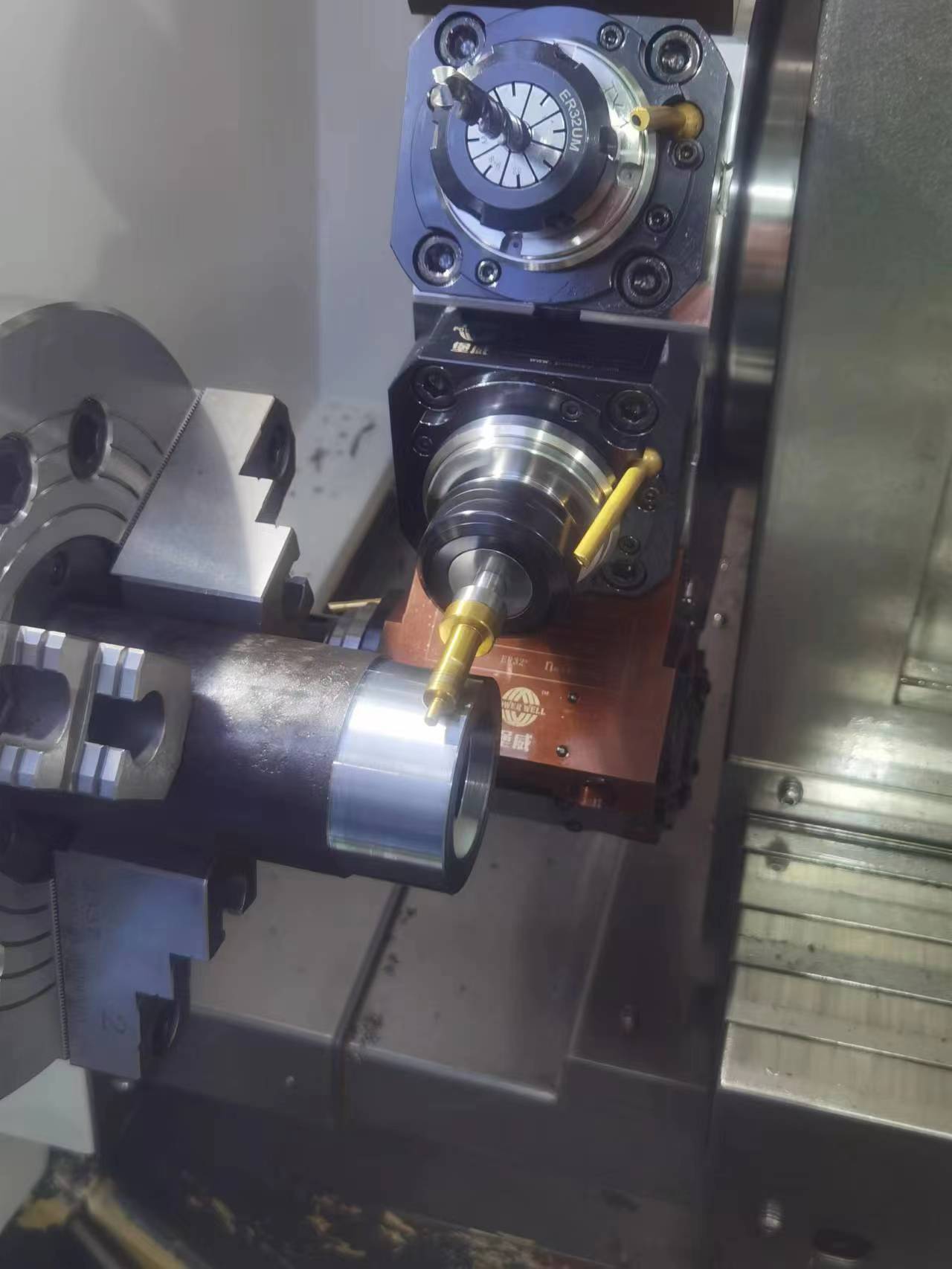
CNC Turning: Utilizes a rotating workpiece and stationary cutting tools to produce cylindrical parts with precise dimensions.
-
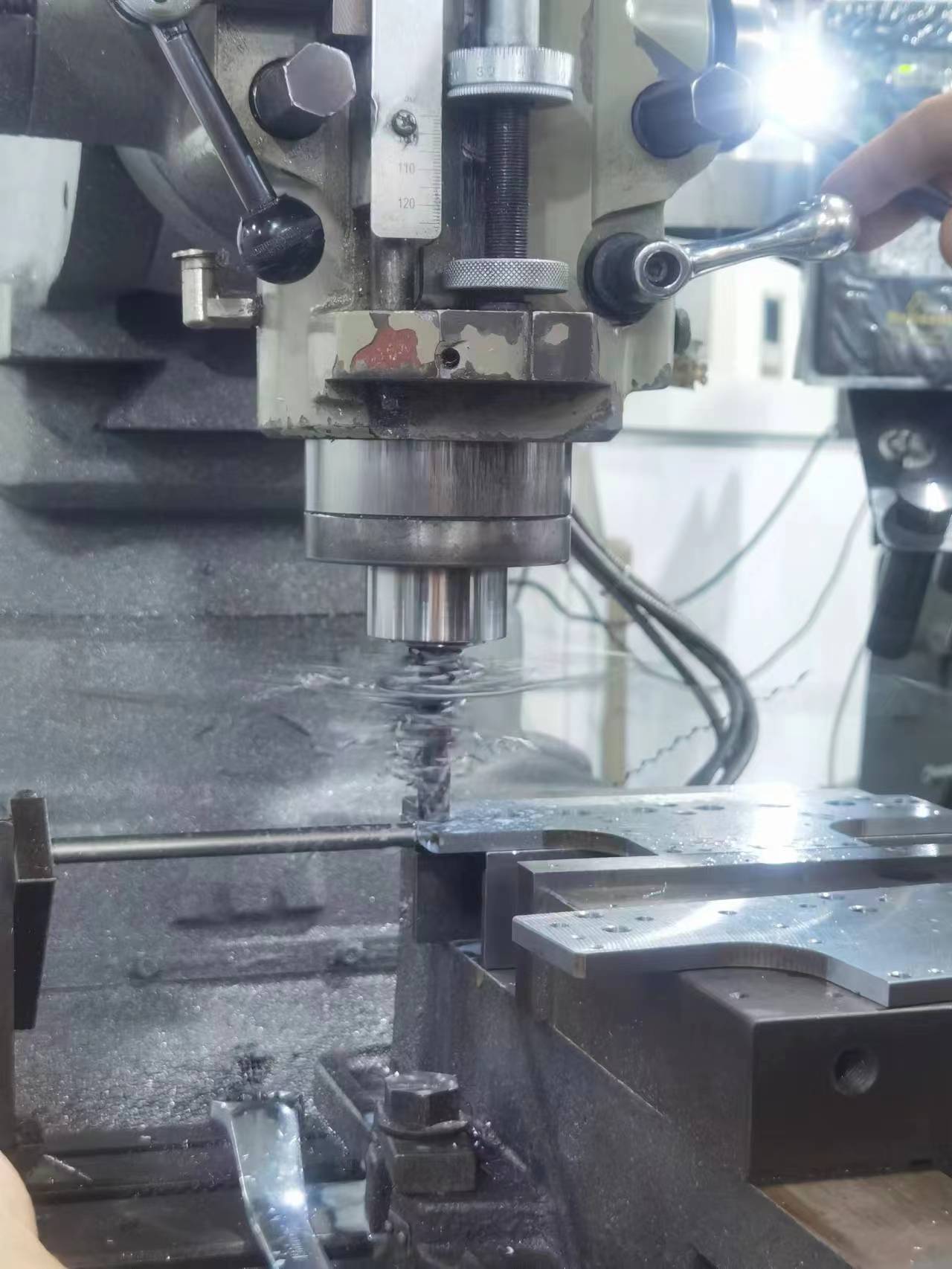
CNC Drilling: Used to create holes in a workpiece with precision and accuracy, essential for many manufacturing applications.
Applications of CNC Machining
CNC machining finds widespread applications in industries such as aerospace, automotive, medical, electronics, and more. It is used to manufacture a wide range of components, including engine parts, surgical instruments, custom prototypes, and intricate components for electronic devices.
Future of CNC Machining
As technology continues to advance, the future of CNC machining looks promising. Innovations such as multi-axis machining, additive manufacturing integration, and enhanced automation are poised to further improve the capabilities and efficiency of CNC machining processes.
In conclusion, CNC machining plays a vital role in modern manufacturing, offering precision, efficiency, and versatility that are essential for producing high-quality components. Understanding the fundamentals of CNC machining is crucial for businesses looking to leverage this technology to stay competitive in today's fast-paced industrial landscape.
By harnessing the power of CNC machining, manufacturers can unlock new possibilities for innovation, customization, and productivity in their operations.
CNC machining, or Computer Numerical Control machining, is a manufacturing process that employs computerized controls to operate machine tools and shape raw materials into precise parts. This technology interprets design specifications from CAD models and translates them into precise instructions for cutting tools, enabling high levels of accuracy and repeatability in production.
CNC machining plays a crucial role in modern manufacturing by providing precise, efficient, and versatile solutions for producing high-quality components across a wide range of industries. Understanding the capabilities and potential advancements in CNC machining is essential for businesses aiming to stay competitive and innovative in the evolving landscape of the manufacturing industry.
What is the chrome plating process?
What is a CNC Machine?
Related Article